Indian Markets Fall Sharply Amid Renewed US-Iran Tensions and Rising Oil Prices
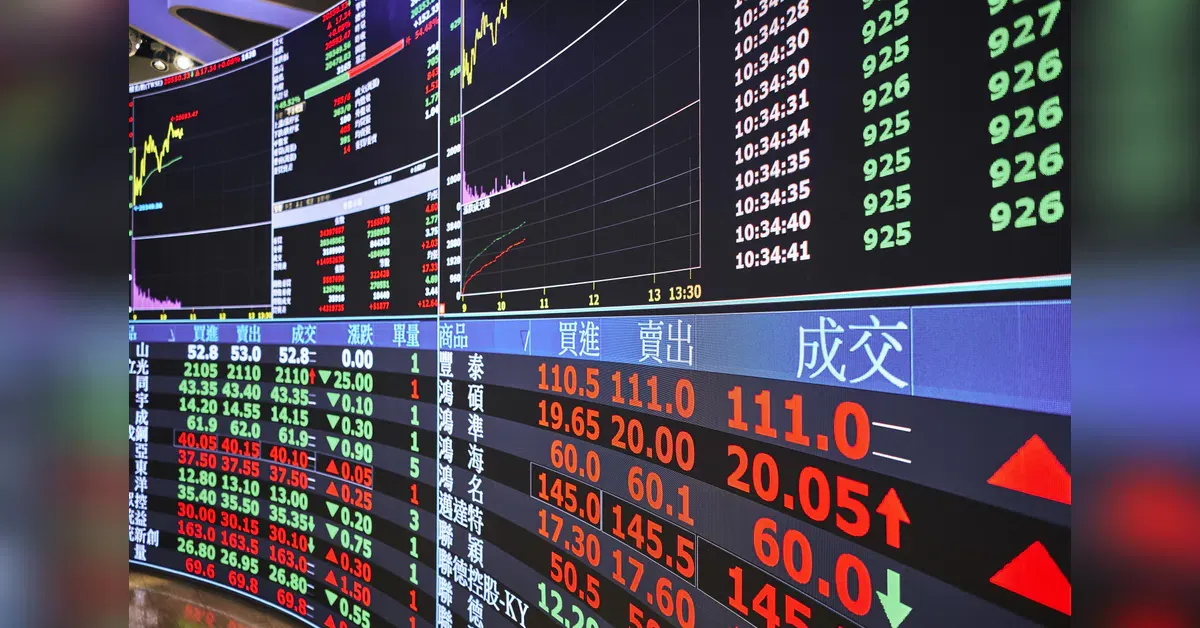
Indian equity markets experienced a sharp decline on July 8, 2026, as renewed US-Iran tensions escalated following US airstrikes on Iran and the revocation of Iran's oil export license. The BSE Sensex fell over 1,600 points, and the NSE Nifty dropped below 24,000 amid rising crude oil prices, which surged above $75 per barrel, raising concerns over global energy supply disruptions. Investor sentiment weakened globally, with Asian and US markets also trading lower. Market volatility increased significantly, reflected in a spike in the India VIX. While foreign institutional investors remained net buyers, domestic investors sold equities amid broad-based sectoral declines, particularly in banking, auto, FMCG, and oil and gas sectors. Experts highlighted uncertainty over the duration and impact of the conflict, emphasizing the potential inflationary effects of higher oil prices on the Indian economy.
First-hand measurement across 15 sources
We measured how 15 outlets covered this story. Coverage leans balanced overall (Left 2%, Centre 97%, Right 1%). Overall sentiment is negative (33/100). Lens Score 27/100 — low public interest.
Outlets analysed (first-hand measurement by TBN's Bias Engine):
- thefinancialexpress— balanced framing, negative sentiment
- mint— balanced framing, negative sentiment
- mint— balanced framing, negative sentiment
- thetribune— balanced framing, negative sentiment
- freepressjournal— balanced framing, negative sentiment
- thetribune— balanced framing, negative sentiment
- zeenews— balanced framing, negative sentiment
- indiatoday— balanced framing, negative sentiment
AI Analysis
The article group presents multiple perspectives including official US statements on military actions and sanctions, Iranian responses, and market expert analyses. Coverage includes geopolitical developments, economic impacts, and investor reactions without endorsing any side. The sources balance reporting on US military and political decisions with Iranian actions and global market responses, maintaining neutrality by attributing claims and avoiding partisan language.
The overall tone across the articles is cautious to negative, reflecting market declines and heightened uncertainty due to geopolitical tensions. While some expert commentary offers measured views on long-term investment strategies, the predominant sentiment highlights risk aversion, volatility spikes, and concerns over inflation and economic disruption. The coverage avoids sensationalism, focusing on factual market impacts and investor sentiment shifts.