12 hours agoBusiness
33LENS
3 SourcesIndia
 thebalanced.news
India Advances Renewable Energy Capacity, Targets Major Expansion by 2035
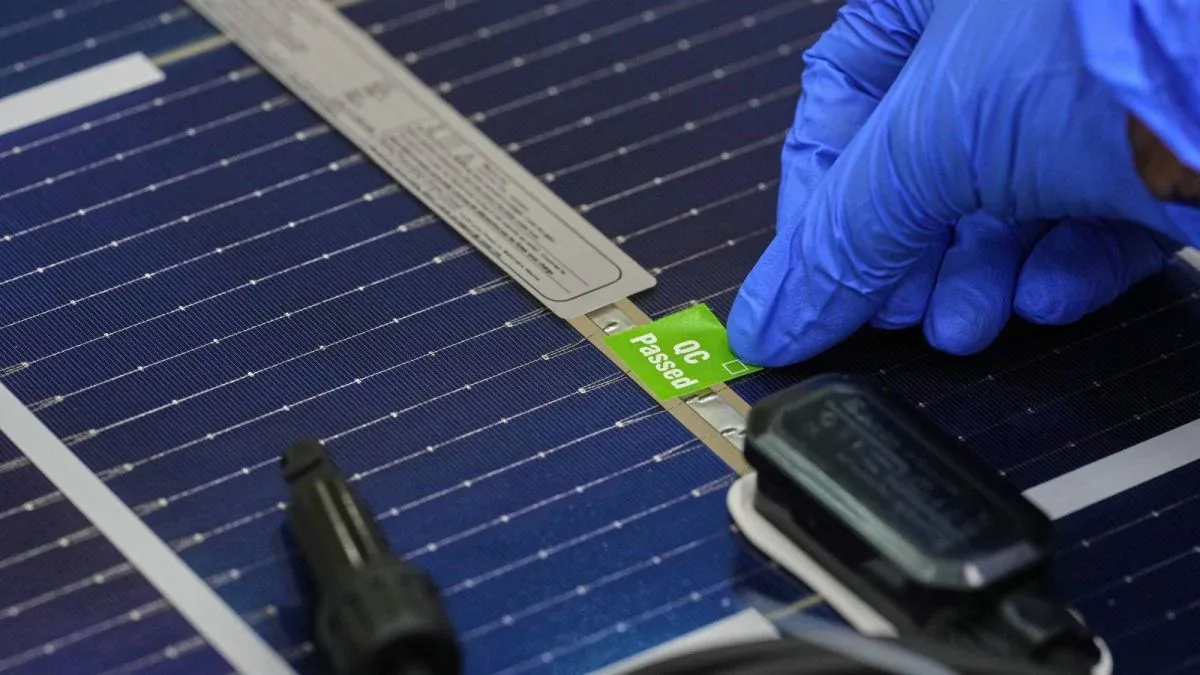
India is progressing toward its clean energy goals, having surpassed 275 GW of non-fossil fuel electricity capacity, with solar power leading at 143.6 GW. The government plans to integrate over 500 GW of renewable capacity by 2030, supported by transmission infrastructure development. Projections indicate solar capacity could quadruple and wind capacity triple by 2035-36, reducing coal dependence to 49%. Nuclear, hydro, and energy storage capacities are also expected to increase significantly.
Political Bias
10%83%7%
Sentiment
75%
21 stories available
View AI Analysis
Bias Analysis: The articles primarily reflect official government perspectives emphasizing progress and future plans for renewable energy expansion. They present data and projections from government agencies without critique or opposition viewpoints, focusing on policy achievements and targets. The coverage is technical and policy-oriented, with no evident partisan framing or political controversy.
Sentiment: The tone across the articles is generally positive, highlighting milestones achieved and ambitious future targets in renewable energy. The coverage conveys optimism about India's transition to cleaner energy sources, supported by detailed capacity projections and infrastructure plans, without addressing potential challenges or criticisms.
Lens Score: 33/100 — Story is well-covered by media outlets. Public interest: 0/100. Coverage gap: 100%.
Related Coverage
Select a news story to see related coverage from other media outlets.