Comprehensive Guide to Wheat Farming Practices and Market Support in India
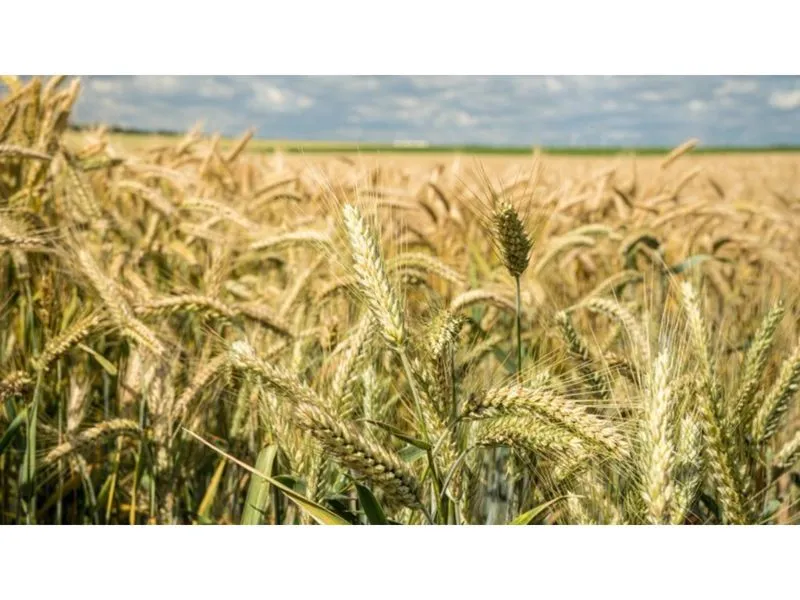
Wheat farming in India requires careful timing and management, including sowing between late October and mid-November, using well-drained loamy or clay-loam soil with a pH of 6.0 to 7.0, and irrigating for 20 to 25 days, especially during the crown root initiation stage. The minimum support price (MSP) for wheat is set at ₹2,585 per quintal for 2026-27. Major wheat-producing states include Uttar Pradesh, Punjab, Haryana, Madhya Pradesh, and Rajasthan, where government procurement supports farmers. Harvest typically occurs between March and April when grains harden and straw dries.
First-hand measurement across 2 sources
We measured how 2 outlets covered this story. Coverage leans balanced overall (Left 0%, Centre 100%, Right 0%). Overall sentiment is positive (72/100). Lens Score 28/100 — low public interest.
Outlets analysed (first-hand measurement by TBN's Bias Engine):
- news18— balanced framing, positive sentiment
- thetribune— balanced framing, positive sentiment
AI Analysis
The articles present an informational perspective focused on agricultural practices and government support mechanisms without political framing. They highlight official MSP rates and procurement policies, reflecting a neutral stance on government roles. No partisan viewpoints or political controversies are discussed, maintaining an objective tone centered on farming guidance.
The overall tone is neutral and informative, aiming to educate farmers on best practices and market conditions. The coverage is practical and supportive, emphasizing successful cultivation steps and government support without emotional or critical language. This creates a positive yet balanced sentiment focused on agricultural productivity.
How 2 sources covered this story
Each source's own headline, political lean, and sentiment — so you can see framing differences at a glance.