India's Insolvency and Bankruptcy Code at 10: Progress and Ongoing Challenges
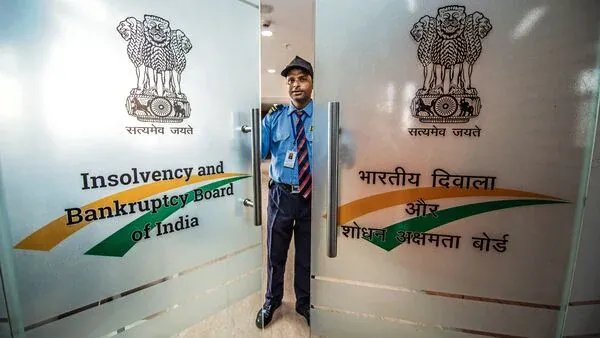
The Insolvency and Bankruptcy Code (IBC), enacted in 2016, has significantly transformed India's banking and corporate sectors by enabling faster resolution of distressed companies and reducing non-performing assets. Over 1,400 large cases have been resolved, improving asset quality and profitability in banks. While the IBC facilitates both restructuring viable firms and liquidating unviable ones to promote economic dynamism, challenges remain, including delays, transparency issues, and the need for enhanced tribunal capacity. Recent amendments aim to address these concerns and improve the framework's effectiveness.
AI Analysis
The article group presents a range of perspectives on the IBC's impact, including government and expert views highlighting its role in cleaning up bad loans and promoting economic growth. Critical viewpoints focus on procedural delays, transparency, and decision-making concerns. The coverage balances recognition of the IBC's achievements with calls for reform, reflecting both supportive and reformist stances without partisan framing.
The overall sentiment is mixed-positive, acknowledging the IBC's substantial contributions to resolving corporate distress and improving banking health while noting persistent challenges such as case delays and governance issues. The tone is constructive, emphasizing progress made alongside areas needing improvement, with recent amendments viewed as steps toward enhancing the insolvency framework.