India's Insolvency and Bankruptcy Code Marks 10 Years with Mixed Outcomes
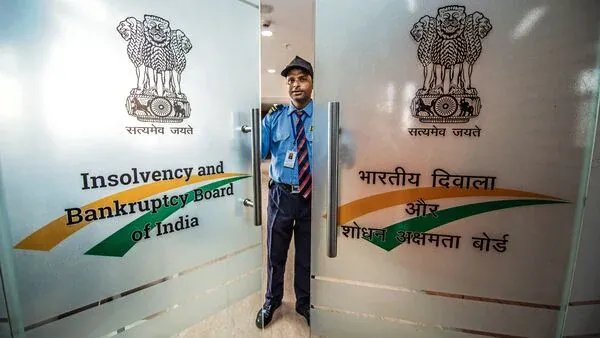
The Insolvency and Bankruptcy Code (IBC), enacted in 2016, has significantly transformed India's banking and corporate sectors by enabling timely resolution of distressed firms and improving credit discipline. Gross non-performing assets have declined markedly, and public sector banks report improved profitability. However, challenges remain, including prolonged resolution timelines, high liquidation rates, and reduced recovery rates, as highlighted by recent reports. Ongoing amendments aim to enhance transparency, expedite processes, and strengthen the insolvency framework to support economic growth and resource reallocation.
AI Analysis
The article group presents a range of perspectives, including government officials highlighting the IBC's role in strengthening financial systems and economic reforms, while independent analyses and expert opinions point to operational challenges and calls for further improvements. Coverage includes both praise for the code's impact on reducing bad loans and criticism regarding delays and recovery rates, reflecting a balanced representation of stakeholders without partisan framing.
The overall sentiment across the articles is mixed, combining recognition of the IBC's positive effects on banking stability and corporate restructuring with concerns about persistent delays, high liquidation rates, and declining recoveries. While some sources emphasize progress and reform efforts, others underscore ongoing issues, resulting in a nuanced tone that acknowledges both achievements and areas needing attention.