India Sets Standard Timelines for Power Transmission to Support Renewable Energy Growth
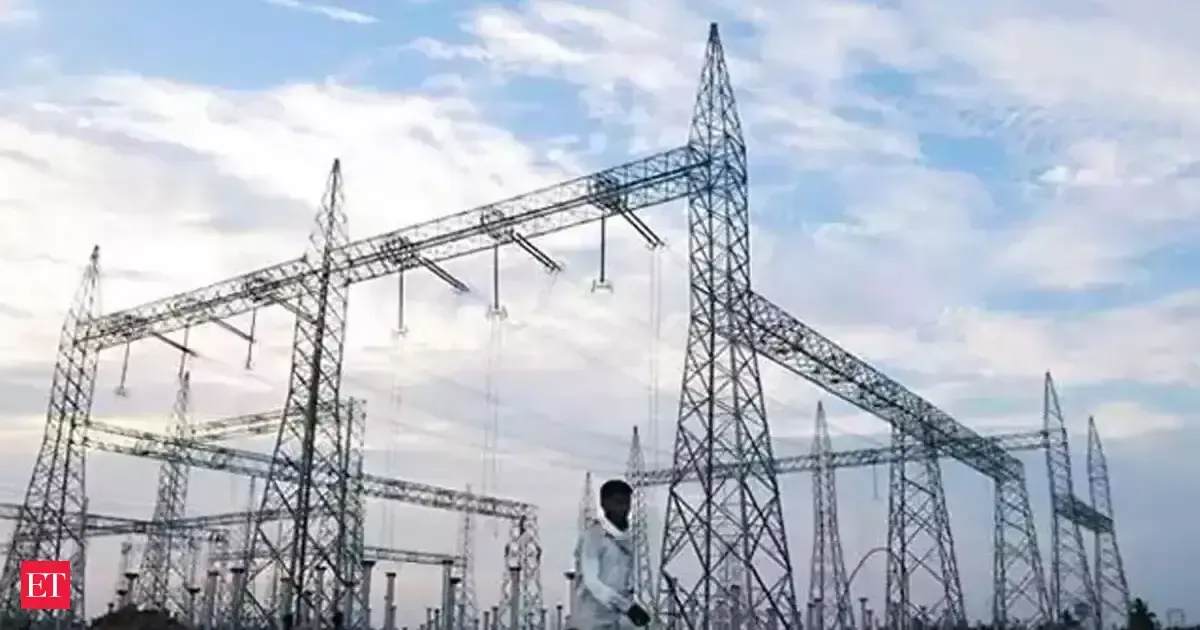
India's Central Electricity Authority has introduced standardized timelines for power transmission projects to better align grid expansion with renewable energy generation and distribution. Approved by the National Committee on Transmission, these guidelines set specific deadlines for substations and high-voltage direct current (HVDC) systems, aiming to reduce delays that have hindered power evacuation. Transmission projects typically span 24 to 54 months depending on configuration, addressing the mismatch with faster renewable energy commissioning timelines and supporting coordinated infrastructure development.
First-hand measurement across 2 sources
We measured how 2 outlets covered this story. Coverage leans balanced overall (Left 10%, Centre 85%, Right 5%). Overall sentiment is neutral (65/100). Lens Score 38/100 — moderate-to-low public interest.
Outlets analysed (first-hand measurement by TBN's Bias Engine):
- economictimes— balanced framing, neutral sentiment
- economictimes— balanced framing, neutral sentiment
AI Analysis
The articles present a government-led initiative focusing on infrastructure coordination without partisan framing. They highlight official actions by the Central Electricity Authority and the National Committee on Transmission, reflecting a policy-driven perspective. The coverage emphasizes administrative and technical aspects, with no evident political critique or opposition viewpoints, maintaining a neutral stance centered on development goals.
The tone across the articles is generally positive and constructive, emphasizing efforts to address existing challenges in power transmission delays. The coverage highlights the potential benefits of improved coordination for renewable energy integration, without expressing skepticism or criticism. This optimistic framing underscores progress and planning in India's energy sector.