US and India Implement Policies Limiting Chinese Participation in Solar Manufacturing
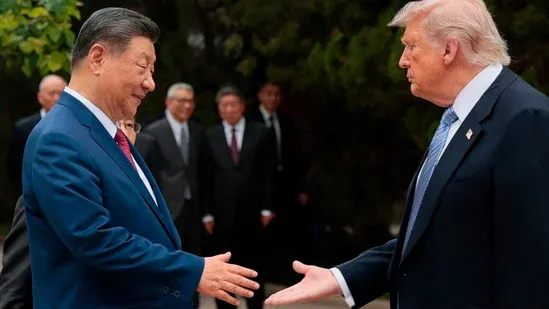
Recent policies in the US and India restrict Chinese involvement in solar manufacturing to protect domestic industries. The US, under legislation initiated by Donald Trump, bans firms with Chinese ties from government subsidies and limits Chinese ownership and supply shares, impacting investments and operations. India’s Approved List of Models and Manufacturers (ALMM) excludes most Chinese firms from supplying solar projects, aiming to boost local production but raising concerns about trade barriers and cost implications.
First-hand measurement across 2 sources
We measured how 2 outlets covered this story. Coverage leans balanced overall (Left 15%, Centre 75%, Right 10%). Overall sentiment is neutral (50/100). Lens Score 24/100 — low public interest.
Outlets analysed (first-hand measurement by TBN's Bias Engine):
- hindustantimes— balanced framing, neutral sentiment
- ndtv— balanced framing, neutral sentiment
AI Analysis
The articles reflect perspectives emphasizing national economic interests and security concerns, highlighting government actions in the US and India to limit Chinese influence in solar sectors. While the US coverage focuses on regulatory enforcement and investment impacts, the Indian piece critiques trade restrictions as protectionist. Both viewpoints represent government policy rationales and economic debates without overt partisan framing.
The overall tone is mixed, combining critical analysis of restrictive policies with acknowledgment of their strategic intent. The US article underscores challenges faced by Chinese firms due to subsidy withdrawals, while the Indian article questions the trade barriers’ economic efficiency. Neither article adopts a wholly positive or negative stance, instead presenting complexities and consequences of the policies.