Skip to content
Get the Balanced News app for a better experience!
The Balanced News Logo
Analytics
The Balanced News Logo

Stay Balanced, Stay Informed

Menu
  • Browse News
  • Underreported Stories
  • Curated Feeds
  • Insights
  • Analytics
  • Our Writers
  • About Us
  • Download App
Learn
  • How It Works
  • Bias Detection
  • Lens Score
  • Source Bias Checker
  • Accountability
  • Custom Feeds
Newsroom
  • Writers & Analysts
  • About TBN
  • Editorial Standards
  • Corrections Policy
  • Our Partners
  • Insights
Socials
  • Youtube
  • Instagram
  • X
  • Facebook
News Categories
  • Trending
  • Politics
  • Sports
  • Business
  • Tech
  • Entertainment
  • Health
  • Science
  • Crime
  • Lifestyle
  • National
  • International
  • Good News
  • Crypto

Get Our App

Available for iOS and Android


LensFeedsInsightsAnalyticsTrendingGood NewsSportsPoliticsBusinessCrimeTechEntertainmentHealthNationalInternational

© 2026 The Balanced News. All rights reserved.

About UsEditorial StandardsCorrectionsHelp & SupportPrivacy PolicyTerms & Conditions
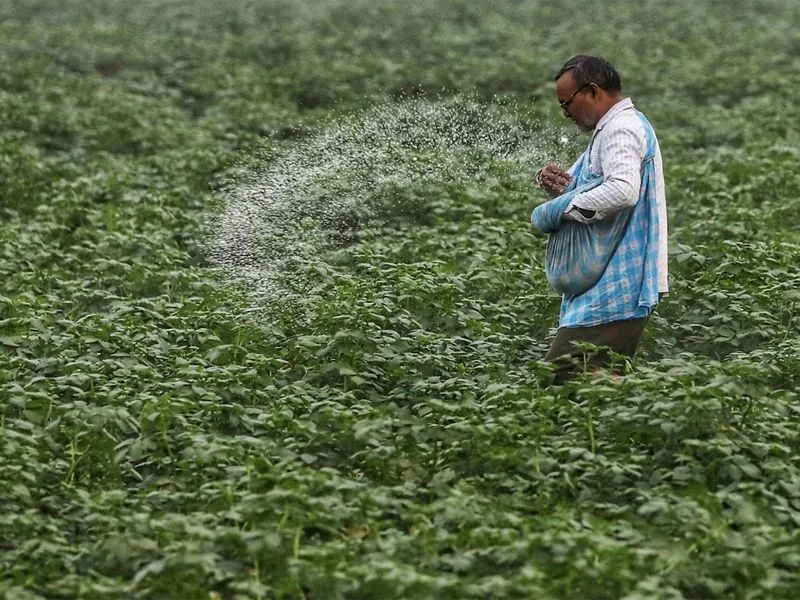
India Addresses Fertiliser Import Dependence with Crop Diversification and Domestic Production Efforts
Categories

Categories

Related Coverage

Select a news story to see related coverage from other media outlets.

Related Coverage

Select a news story to see related coverage from other media outlets.

  1. Home
  2. /
  3. Business

India Addresses Fertiliser Import Dependence with Crop Diversification and Domestic Production Efforts

Analysed 23 Jun 2026·2 sources analysed·Montana, United States·Business
India Addresses Fertiliser Import Dependence with Crop Diversification and Domestic Production EffortsPreviousNext

India's fertiliser sector faces challenges due to heavy reliance on imports, highlighted by supply disruptions from the West Asia conflict. The country remains the second-largest consumer of chemical fertilisers, importing significant quantities of urea, DAP, and NPK to meet demand. Experts, including EAC-PM Chairman S Mahendra Dev, advocate reducing chemical fertiliser use through crop diversification, natural farming, and productivity-linked incentives. Efforts to boost domestic production and diversify import sources are underway to enhance sustainability and soil health.

TBN's observations

First-hand measurement across 2 sources

We measured how 2 outlets covered this story. Coverage leans balanced overall (Left 15%, Centre 80%, Right 5%). Overall sentiment is neutral (62/100). Lens Score 30/100 — low public interest.

Outlets analysed (first-hand measurement by TBN's Bias Engine):

  • economictimes— balanced framing, positive sentiment
  • thetribune— balanced framing, neutral sentiment
Political Bias
15%80%5%
Sentiment
62%
AI analysis of 2 sources · Published under editorial oversight by The Balanced News
Analysed 23 Jun 2026· How this analysis is produced· Editorial standards· Corrections

AI Analysis

Political bias across 2 sources
● Left 15%● Center 80%● Right 5%

The articles present a primarily policy-focused perspective, highlighting government concerns about fertiliser import dependence and supply risks due to geopolitical tensions. They include viewpoints from government-affiliated experts advocating reforms and sustainability measures without partisan framing. The coverage emphasizes official strategies and expert recommendations, reflecting a technocratic approach rather than political debate.

Sentiment — Neutral (62/100)

The overall tone is cautiously pragmatic, acknowledging challenges in fertiliser supply and dependence while emphasizing ongoing efforts and policy proposals to mitigate risks. The sentiment is mixed but constructive, focusing on solutions like crop diversification and domestic production rather than crisis or alarm. Positive aspects include falling global urea prices and government initiatives, balanced with recognition of existing vulnerabilities.

How 2 sources covered this story

Reviewed byMrunal Wange· Business & Economy Editor· Edited byOjas Kale
← Previous
NHSRCL Announces Recruitment Drive for 224 Positions on Mumbai-Ahmedabad Bullet Train Project
Next →
Melento Recognized Among Notable Vendors in Forrester's Q2 2026 CLM Report

Each source's own headline, political lean, and sentiment — so you can see framing differences at a glance.

SourceTheir headlineBiasSentiment
economictimesNeed to cut chemical fertilisers usage via crop diversification, incentives: EAC-PM ChairmanCenterPositive
thetribuneFertiliser security challenge - The TribuneCenterNeutral

Coverage timeline

thetribune broke this story on 22 Jun, 09:01 pm. Other outlets followed.

  1. 1
    thetribune22 Jun, 09:01 pm
    Fertiliser security challenge - The Tribune
  2. 2
    economictimes23 Jun, 10:49 am
    Need to cut chemical fertilisers usage via crop diversification, incentives: EAC-PM Chairman

Lens Score breakdown

30/100
Public interest0/100
Coverage gap100%

Well-covered story — coverage matches public importance.

Who's involved

Institutions and figures named across source coverage.

Government
Ministry of Agriculture and Farmers' WelfarePrime Minister's OfficeIndian Council of Research on International Economic RelationsDepartment of FertilisersEconomic Advisory Council to the Prime Minister
Corporate
FICCI

Story context

Category
Business
Location
Montana, United States
Sources analysed
2
Last analysed
23 Jun 2026
Key entities
UreaFertilizerHectareIndiaTonneNutrientWestern AsiaMontanaKharif cropNatural gasMinistry of Agriculture and Farmers' WelfareGreen Revolution in India