Taxpayers’ Options and Restrictions for Switching Between Old and New Tax Regimes
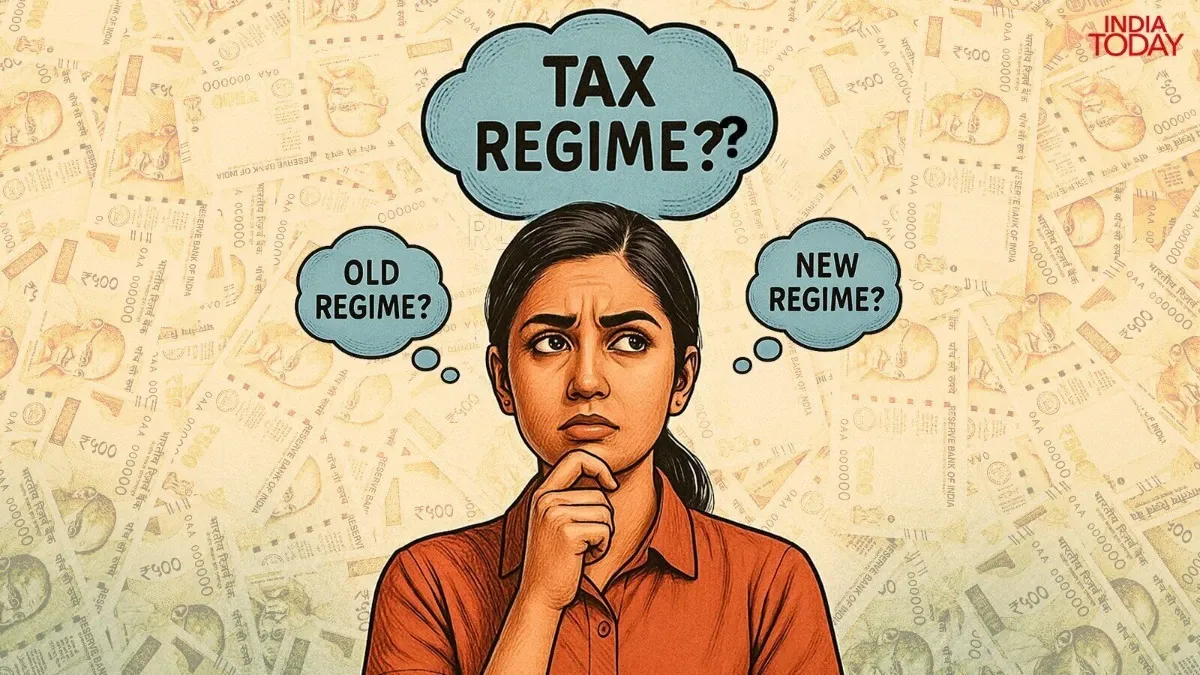
The new tax regime, made the default by the Finance Act 2023, offers lower rates but fewer deductions. Salaried taxpayers can switch annually between old and new regimes based on their tax benefits. However, business and presumptive taxpayers face stricter rules: once opting for presumptive taxation, they must continue for five years, and switching between regimes is limited to once, with re-entry restrictions. These rules aim to balance flexibility with compliance for different income sources.
First-hand measurement across 2 sources
We measured how 2 outlets covered this story. Coverage leans balanced overall (Left 0%, Centre 100%, Right 0%). Overall sentiment is neutral (58/100). Lens Score 29/100 — low public interest.
Outlets analysed (first-hand measurement by TBN's Bias Engine):
- indiatoday— balanced framing, neutral sentiment
- mint— balanced framing, neutral sentiment
AI Analysis
The articles present government tax policy changes factually, focusing on regulatory details without political commentary. They include perspectives relevant to salaried and business taxpayers, reflecting official rules and expert interpretations. The coverage is technical and neutral, emphasizing procedural aspects rather than political debate or partisan viewpoints.
The tone across the articles is neutral and informative, aiming to clarify tax filing options and restrictions. There is no evident positive or negative sentiment; instead, the coverage provides practical guidance for taxpayers navigating the new default tax regime and its implications.
How 2 sources covered this story
Each source's own headline, political lean, and sentiment — so you can see framing differences at a glance.