Skip to content
Get the Balanced News app for a better experience!
The Balanced News Logo
Analytics
The Balanced News Logo

Stay Balanced, Stay Informed

Menu
  • Browse News
  • Underreported Stories
  • Curated Feeds
  • Insights
  • Analytics
  • Our Writers
  • About Us
  • Download App
Learn
  • How It Works
  • Bias Detection
  • Lens Score
  • Source Bias Checker
  • Accountability
  • Custom Feeds
Newsroom
  • Writers & Analysts
  • About TBN
  • Editorial Standards
  • Corrections Policy
  • Our Partners
  • Insights
Socials
  • Youtube
  • Instagram
  • X
  • Facebook
News Categories
  • Trending
  • Politics
  • Sports
  • Business
  • Tech
  • Entertainment
  • Health
  • Science
  • Crime
  • Lifestyle
  • National
  • International
  • Good News
  • Crypto

Get Our App

Available for iOS and Android


LensFeedsInsightsAnalyticsTrendingGood NewsSportsPoliticsBusinessCrimeTechEntertainmentHealthNationalInternational

© 2026 The Balanced News. All rights reserved.

About UsEditorial StandardsCorrectionsHelp & SupportPrivacy PolicyTerms & Conditions
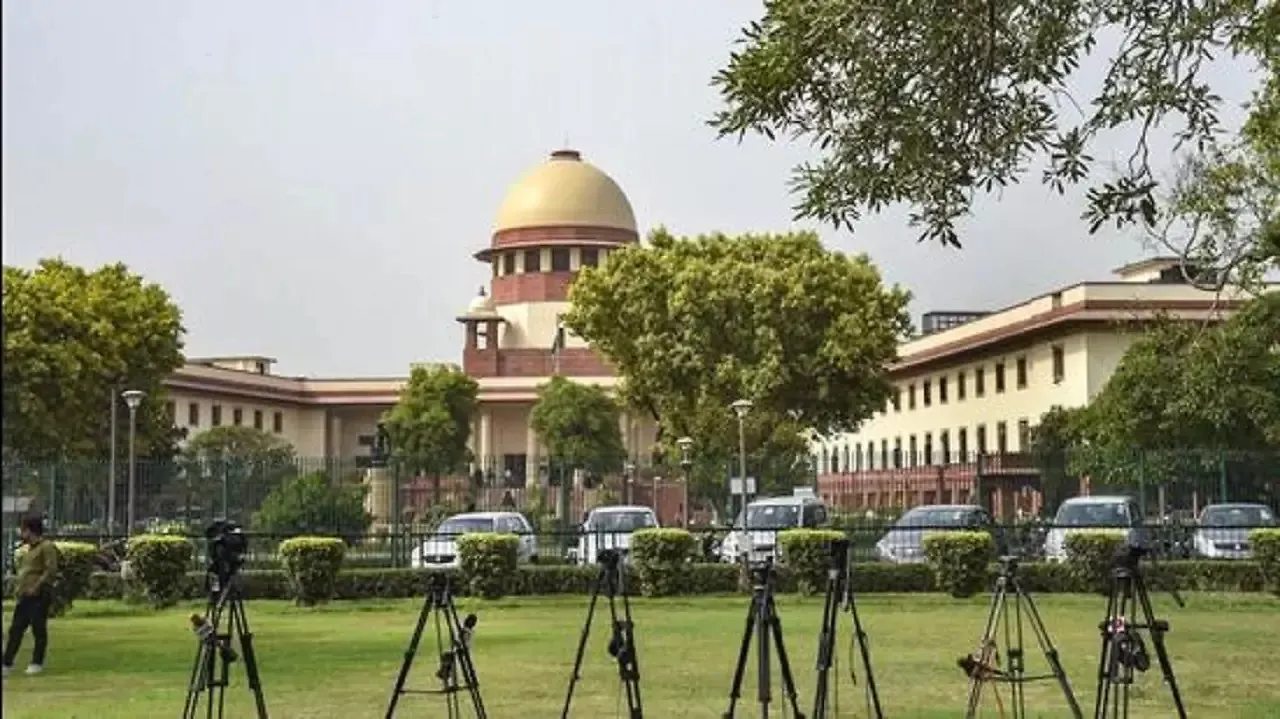
Supreme Court Rules Courts Should Avoid Personal Morality in Bail Decisions
Categories

Categories

Related Coverage

Select a news story to see related coverage from other media outlets.

Related Coverage

Select a news story to see related coverage from other media outlets.

  1. Home
  2. /
  3. Crime

Supreme Court Rules Courts Should Avoid Personal Morality in Bail Decisions

Analysed 30 Sept 2026·2 sources analysed·New Delhi, India·Crime
Supreme Court Rules Courts Should Avoid Personal Morality in Bail DecisionsPreviousNext

The Supreme Court ruled that courts should not impose personal moral views when deciding bail or criminal trial matters. This decision overturned a Madhya Pradesh High Court order that denied bail in a sexual assault case based on potential effects on social order and the victim's family's morals. The Supreme Court emphasized that bail decisions must rely on legal factors like the nature of the offence and risk of tampering with evidence, not subjective moral judgments.

Sentiment
56%
TBN's observations

First-hand measurement across 2 sources

We measured how 2 outlets covered this story. No outlet gave this story a measurable political slant — there is no left–right reading to report. Overall sentiment is neutral (56/100). Lens Score 53/100.

Outlets measured: timesnow, deccanherald. See how each one headlined and framed the same story in the source comparison below.

AI analysis of 2 sources · Published under editorial oversight by The Balanced News
Analysed 30 Sept 2026· How this analysis is produced· Editorial standards· Corrections

AI Analysis

Sentiment — Neutral (56/100)

Sentiment was consistent across outlets (50–62/100), indicating broadly factual reporting rather than editorialising.

Coverage timeline

deccanherald broke this story on 30 Sept, 04:09 pm. Other outlets followed.

30 Sept, 04:09 pm2 sources · 2 h30 Sept, 06:28 pm
AI analysis by the TBN Bias Engine · beat methodology byDushyant Deshmukh· Investigative Writer· editorial standards byOjas Kale
← Previous
Mumbai Mobile Repairer Faces ₹32 Crore Tax Notice Over Alleged Identity Misuse
Next →
Seven Injured in Hyderabad Hit-and-Run Incident Under Drunk Driving Suspicion
1
deccanherald30 Sept, 04:09 pm
Courts must not impose personal morality while deciding bail pleas: Supreme Court
  • 2
    timesnow30 Sept, 06:28 pm
    Courts Should Refrain From Imposing Personal Views On morality In Criminal Cases: SC
  • Who's involved

    Institutions and figures named across source coverage.

    Government
    Madhya Pradesh High CourtSupreme Court of India
    Judiciary
    Madhya Pradesh High CourtSupreme CourtSupreme Court of India

    Story context

    Category
    Crime
    Location
    New Delhi, India
    Sources analysed
    2
    Last analysed
    30 Sept 2026
    Key entities
    Criminal procedureSupreme Court of IndiaBailMoralityUjjal BhuyanMadhya Pradesh High CourtSexual assaultSupreme courtAppealScheduled Castes and Scheduled TribesProtection of Children from Sexual Offenses ActFirst information report