Delhi Court Convicts Former AAP Councillor Tahir Hussain in 2020 IB Officer Murder Case
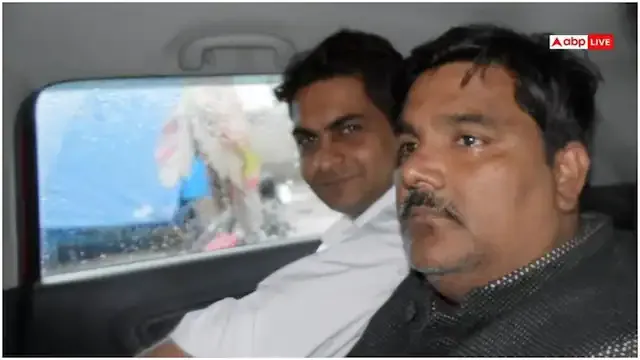
A Delhi court convicted former Aam Aadmi Party councillor Tahir Hussain and four others for the 2020 murder of Intelligence Bureau officer Ankit Sharma during the Northeast Delhi riots. The court found them guilty under multiple IPC sections including murder, rioting, and promoting enmity, while acquitting six accused due to insufficient evidence. Sharma was killed in communal violence, with his body recovered from a drain. Sentencing is pending, and the case originated from a complaint by Sharma's father.
First-hand measurement across 12 sources
We measured how 12 outlets covered this story. Coverage leans balanced overall (Left 40%, Centre 47%, Right 13%). Overall sentiment is negative (29/100). Lens Score 55/100 — moderate public interest.
Outlets analysed (first-hand measurement by TBN's Bias Engine):
- thetribune— balanced framing, negative sentiment
- freepressjournal— left-leaning framing, negative sentiment
- ndtv— left-leaning framing, negative sentiment
- opindia— right-leaning framing, negative sentiment
- mint— balanced framing, negative sentiment
- republicworld— balanced framing, negative sentiment
- indiatoday— left-leaning framing, negative sentiment
- hindustantimes— left-leaning framing, negative sentiment
AI Analysis
The article group presents perspectives primarily from legal and law enforcement sources, focusing on the court's verdict and procedural details. Coverage includes statements from the victim's family and mentions of Tahir Hussain's affiliation with the Aam Aadmi Party, which suspended him after the case emerged. The sources maintain a factual tone without endorsing political narratives, reflecting a judicial and investigative framing of the events.
The overall tone across the articles is neutral to somber, reflecting the gravity of the murder and communal violence. Reports emphasize the court's conviction and the victim's family's pursuit of justice, with some noting emotional reactions in court. There is no celebratory or inflammatory language; instead, the coverage is measured, focusing on legal outcomes and the serious nature of the case.