International Operation Leads to Arrests in India-Linked Crime Syndicates Including Nijjar Killing
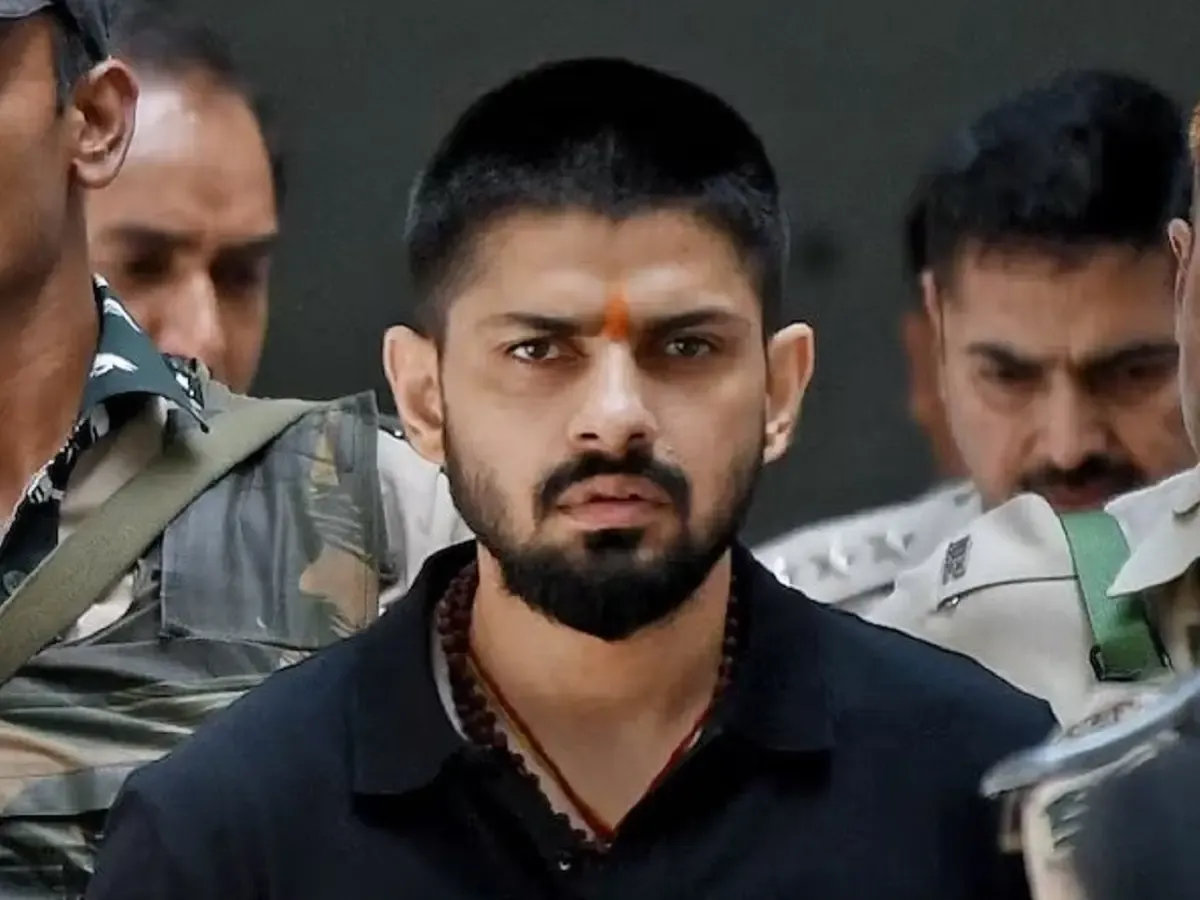
A coordinated international law enforcement operation, dubbed "Operation Hard Ball," led to the arrest of 24 individuals linked to three India-based transnational organized crime groups across the US, Canada, and Europe. The US Department of Justice unsealed indictments charging 37 defendants, including imprisoned gangster Lawrence Bishnoi and his aide Goldy Brar, with crimes such as murder, extortion, drug trafficking, and kidnapping. Bishnoi and Brar are specifically charged with ordering the 2023 assassination of Sikh separatist Hardeep Singh Nijjar in Canada. Authorities seized narcotics, firearms, and cash during raids, while 10 fugitives remain at large. The investigation highlights ongoing efforts to dismantle cross-border criminal networks impacting diaspora communities.
First-hand measurement across 9 sources
We measured how 9 outlets covered this story. Coverage leans balanced overall (Left 14%, Centre 81%, Right 5%). Overall sentiment is neutral (34/100). Lens Score 42/100 — moderate-to-low public interest.
Outlets analysed (first-hand measurement by TBN's Bias Engine):
- thetribune— left-leaning framing, negative sentiment
- ndtv— balanced framing, neutral sentiment
- hindustantimes— balanced framing, neutral sentiment
- indianexpress— balanced framing, negative sentiment
- news18— balanced framing, neutral sentiment
- timesnow— balanced framing, negative sentiment
- timesnow— balanced framing, negative sentiment
- wion— balanced framing, neutral sentiment
AI Analysis
The article group presents multiple perspectives focusing on law enforcement and judicial actions without endorsing political narratives. Coverage includes official statements from US, Canadian, and European authorities, references to the accused gangs, and mentions of diplomatic tensions between India and Canada over Nijjar's killing. Indian government denial of involvement is noted, maintaining a neutral stance. The framing centers on criminal investigations and legal processes rather than political blame.
The overall tone across the articles is factual and serious, reflecting the gravity of the criminal charges and international cooperation involved. While the coverage highlights significant law enforcement successes, it avoids sensationalism or emotive language. The narrative balances the depiction of criminal activities with procedural details, resulting in a predominantly neutral to slightly negative sentiment due to the nature of the crimes discussed.