Indians Held in Myanmar Cybercrime Camp Amid Rescue and Investigation Efforts
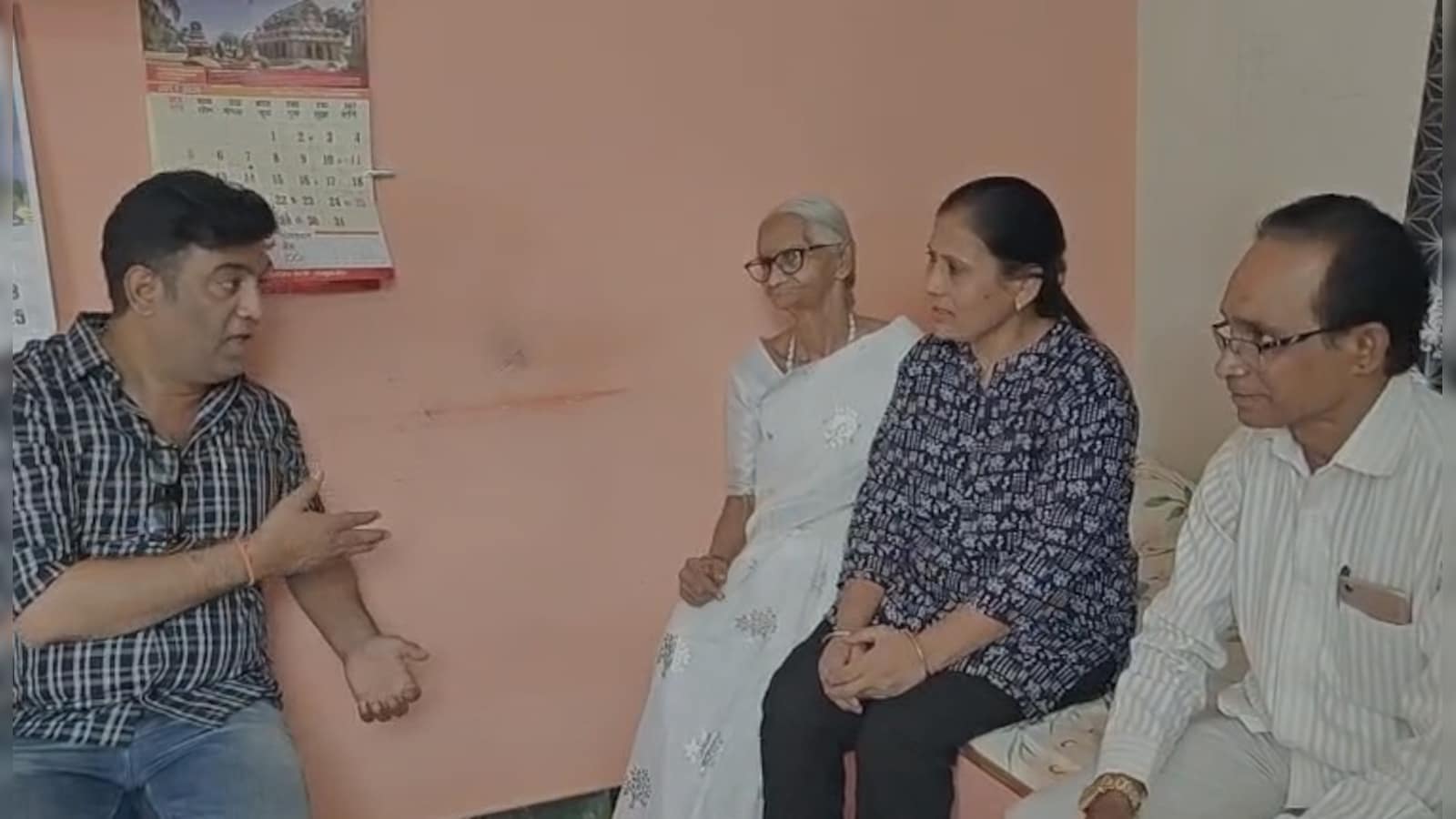
Approximately 700 Indians, including 20-25 from Maharashtra, are reportedly held captive in Myanmar and forced into cybercrime activities under harsh conditions. Victims, such as Kaustubh Shejwal and a 24-year-old graphic designer from Beed, describe long working hours, poor food, and torture including electric shocks. Local police have registered FIRs and sought intervention from central agencies like the Ministry of External Affairs and NIA. Authorities warn against accepting unverified overseas job offers amid ongoing rescue efforts.
First-hand measurement across 4 sources
We measured how 4 outlets covered this story. Coverage leans balanced overall (Left 30%, Centre 60%, Right 10%). Overall sentiment is negative (32/100). Lens Score 51/100 — moderate public interest.
Outlets analysed (first-hand measurement by TBN's Bias Engine):
- indianexpress— balanced framing, neutral sentiment
- ndtv— balanced framing, negative sentiment
- freepressjournal— balanced framing, neutral sentiment
- hindustantimes— balanced framing, negative sentiment
AI Analysis
The articles present a factual account focusing on law enforcement and government responses without partisan framing. They include perspectives from victims' families, local police, and government officials, emphasizing rescue efforts and warnings against fraudulent job offers. The coverage avoids political commentary, maintaining a neutral stance centered on public safety and administrative action.
The overall tone is serious and concerned, highlighting the victims' suffering and the urgency of rescue operations. While the descriptions of conditions are distressing, the articles maintain a factual and measured approach, balancing the depiction of hardship with information on official responses and preventive advice, resulting in a predominantly somber but informative sentiment.
How 4 sources covered this story
Each source's own headline, political lean, and sentiment — so you can see framing differences at a glance.