Supreme Court Criticizes Ghaziabad Hospitals for Denying Treatment to 4-Year-Old Rape Victim
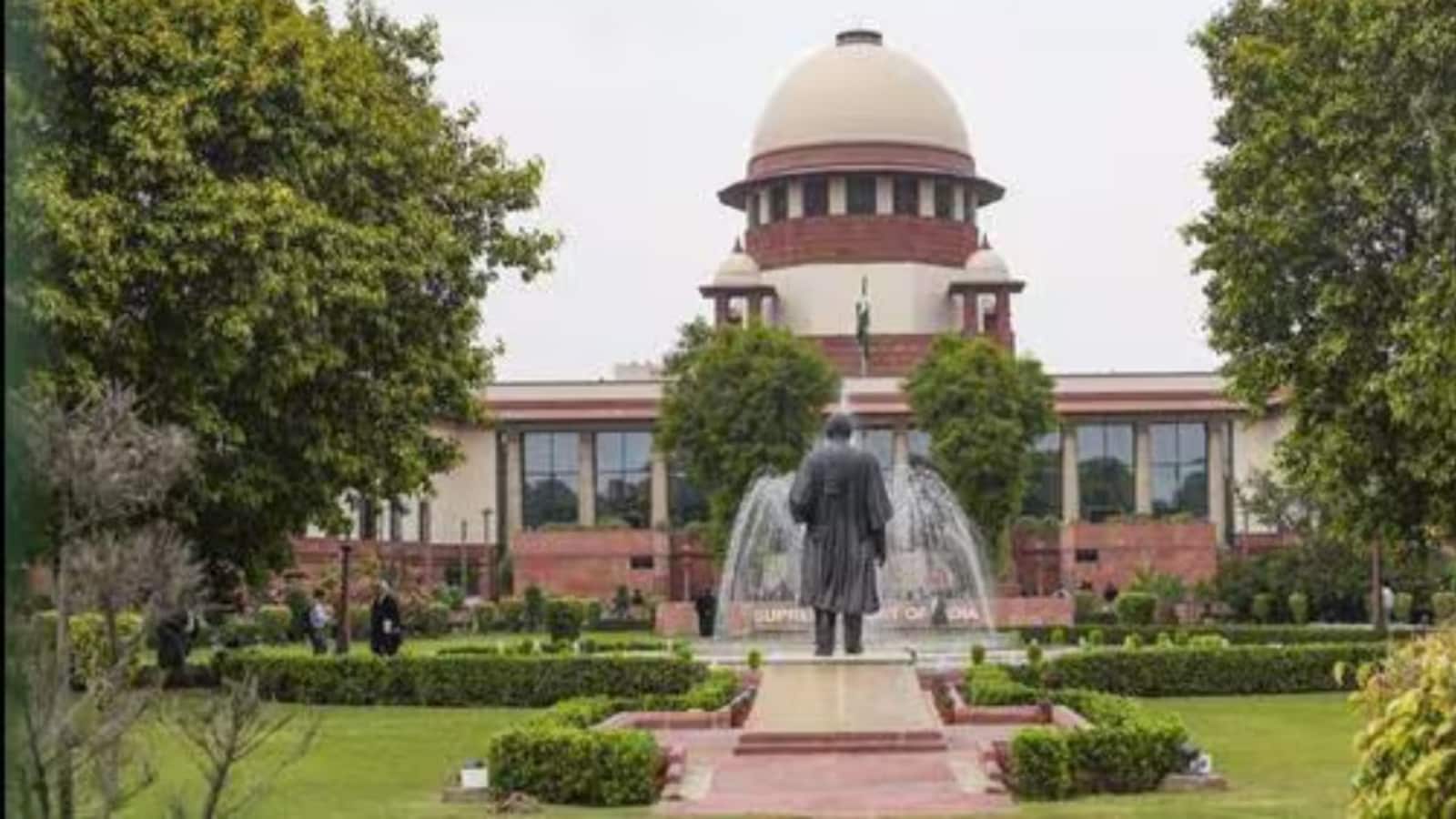
The Supreme Court condemned two private hospitals and an Ayurvedic doctor in Ghaziabad for allegedly denying timely emergency treatment to a four-year-old rape victim, who later died. The court criticized the medical professionals for ignoring the child due to her poverty and questioned their ethics, stating they had no right to use the title 'doctor' if they failed their duty. It directed the hospitals to consider reasonable compensation for the victim's family and continues to monitor the investigation, including police lapses and forensic shortcomings.
First-hand measurement across 13 sources
We measured how 13 outlets covered this story. Coverage leans left-leaning overall (Left 70%, Centre 28%, Right 2%). Overall sentiment is negative (26/100). Lens Score 61/100 — moderate public interest.
Outlets analysed (first-hand measurement by TBN's Bias Engine):
- thetribune— left-leaning framing, negative sentiment
- indiatvnews— left-leaning framing, negative sentiment
- indianexpress— left-leaning framing, negative sentiment
- freepressjournal— left-leaning framing, negative sentiment
- oneindia— left-leaning framing, negative sentiment
- english— left-leaning framing, negative sentiment
- republicworld— left-leaning framing, negative sentiment
- economictimes— left-leaning framing, negative sentiment
AI Analysis
The article group primarily reflects judicial and legal perspectives, focusing on the Supreme Court's strong criticism of medical and investigative failures. It includes viewpoints from the judiciary, victim's family, and hospital representatives, emphasizing accountability and justice. The coverage does not align with any political party but highlights systemic issues in healthcare and law enforcement responses.
The overall tone across the articles is critical and serious, expressing strong disapproval of the hospitals' and doctor's alleged negligence. The sentiment is predominantly negative regarding the medical response and investigation lapses, while also showing concern and empathy for the victim's family. Calls for compensation and accountability add a corrective and hopeful dimension to the coverage.