India's Rice Production Growth and Thorium Nuclear Power's Role in Energy Security
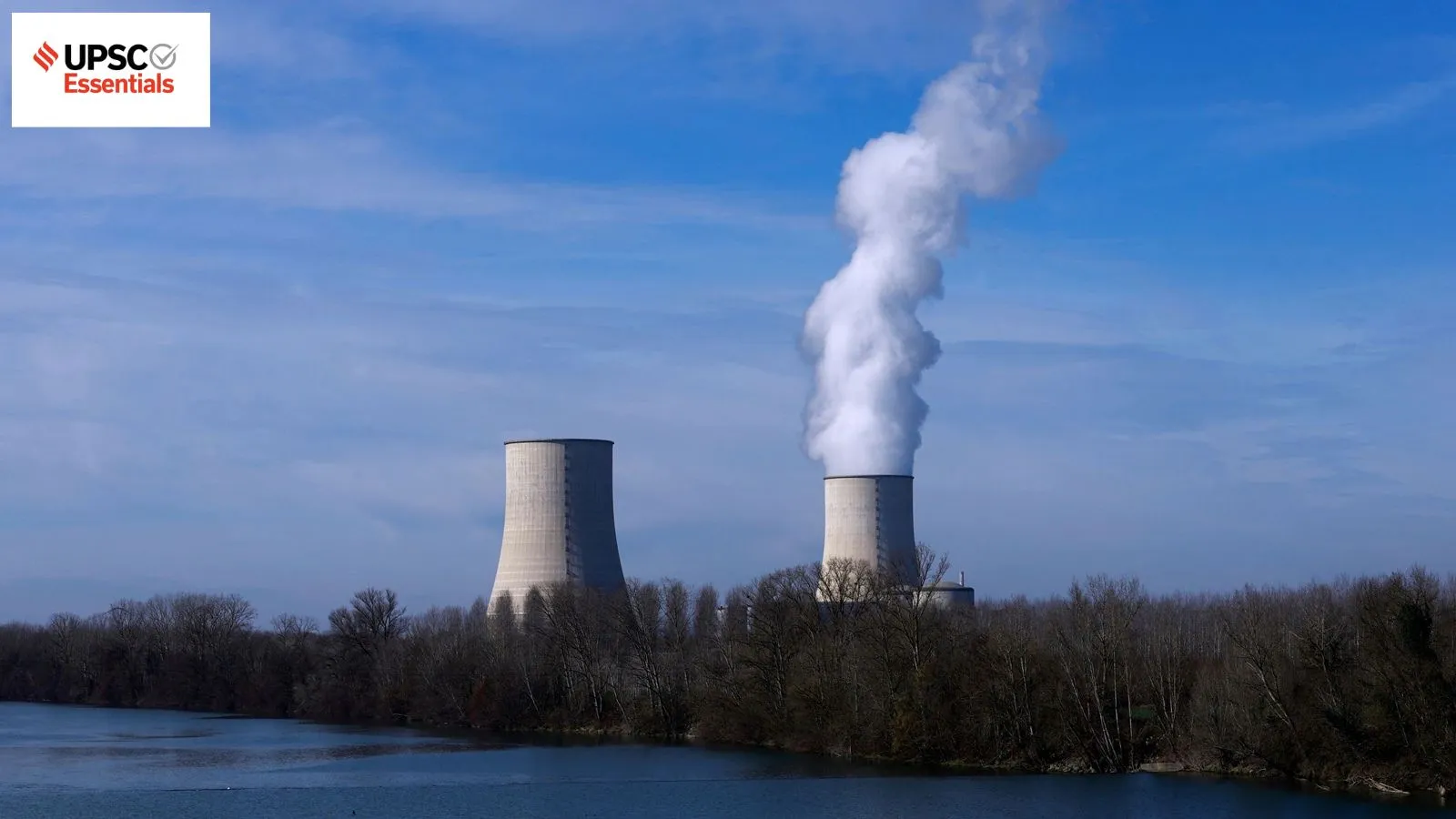
India has recently become the world's largest rice producer, surpassing China, with significant contributions to global production and trade. However, this surge raises concerns about groundwater depletion and sustainability due to rice's high water requirements. Concurrently, discussions on thorium-based nuclear power highlight its potential to enhance India's long-term energy security by reducing reliance on imported fuels, aligning with the country's three-stage nuclear program amid global energy challenges.
AI Analysis
The articles present a primarily neutral perspective focusing on India's agricultural and energy sectors without evident political framing. The rice production article emphasizes environmental and sustainability concerns, while the nuclear power piece discusses technological and strategic aspects. Both sources maintain an informative tone, reflecting policy and scientific viewpoints rather than partisan positions.
The overall sentiment is mixed but balanced, combining positive recognition of India's achievements in rice production and nuclear energy development with cautionary notes on environmental sustainability and energy dependence. The tone remains factual and analytical, avoiding emotional or sensational language.
How 2 sources covered this story
Each source's own headline, political lean, and sentiment — so you can see framing differences at a glance.