NCERT's Class 6 Kannada Textbook 'Krishna' Faces Criticism Over Content and Representation
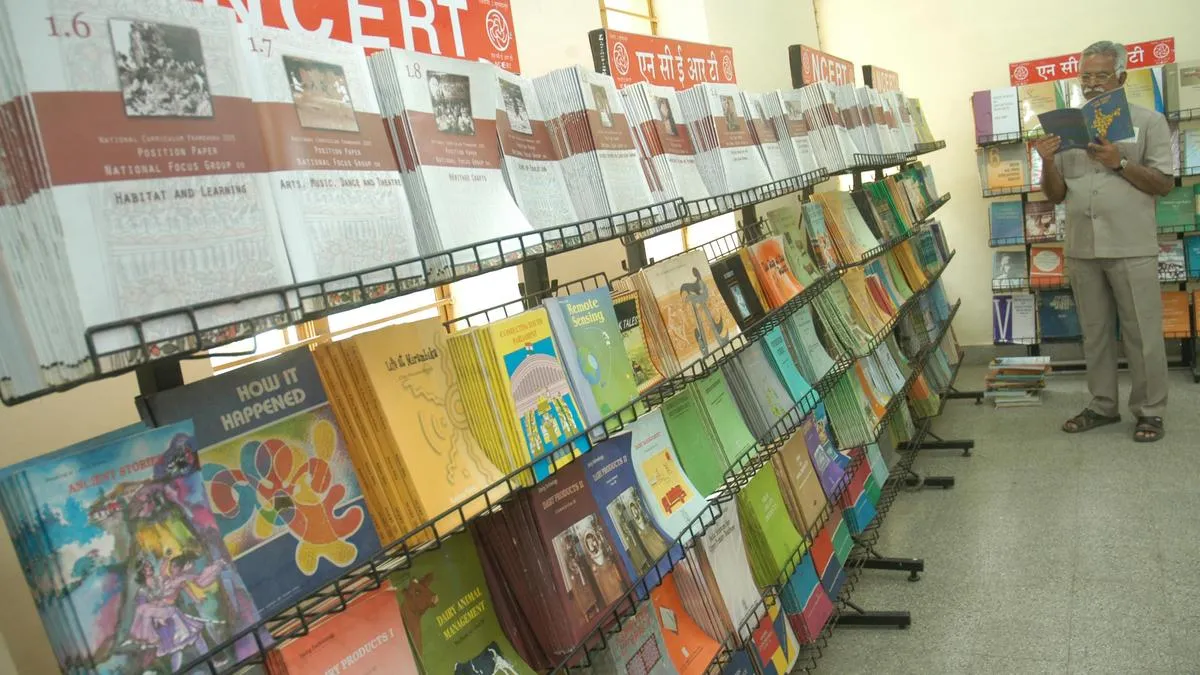
The NCERT Class 6 Kannada textbook titled 'Krishna', introduced under CBSE's three-language policy, has faced criticism from educationists and the People's Alliance for Fundamental Right to Education (PAFRE). Concerns include the book's religiously associated title, perceived promotion of vegetarian diets excluding non-vegetarian foods, and inadequate representation of Karnataka's diverse regional cultures and traditions. Critics allege the textbook reflects ideological bias and saffronisation linked to NEP 2020, while calling for revisions and greater involvement of Karnataka's educational authorities.
First-hand measurement across 2 sources
We measured how 2 outlets covered this story. Coverage leans left-leaning overall (Left 58%, Centre 36%, Right 6%). Overall sentiment is negative (32/100). Lens Score 33/100 — low public interest.
Outlets analysed (first-hand measurement by TBN's Bias Engine):
- ndtv— left-leaning framing, negative sentiment
- thehindu— left-leaning framing, negative sentiment
AI Analysis
The article group presents viewpoints primarily from educationists and advocacy groups critical of NCERT's textbook, highlighting concerns about cultural and ideological imposition linked to NEP 2020. The sources emphasize potential saffronisation and exclusion of regional diversity, reflecting a perspective wary of central educational policies. There is limited representation of official NCERT or government responses, focusing the narrative on opposition voices.
The overall tone across the articles is critical, focusing on objections to the textbook's content, title, and cultural representation. The sentiment reflects concern and disapproval from educationists and rights groups, with calls for revisions and clarifications. There is little positive or neutral coverage, resulting in a predominantly negative sentiment regarding the textbook's current form.