NCERT Alters Mohenjo-daro 'Dancing Girl' Image in Class 9 Arts Textbook, Sparks Debate
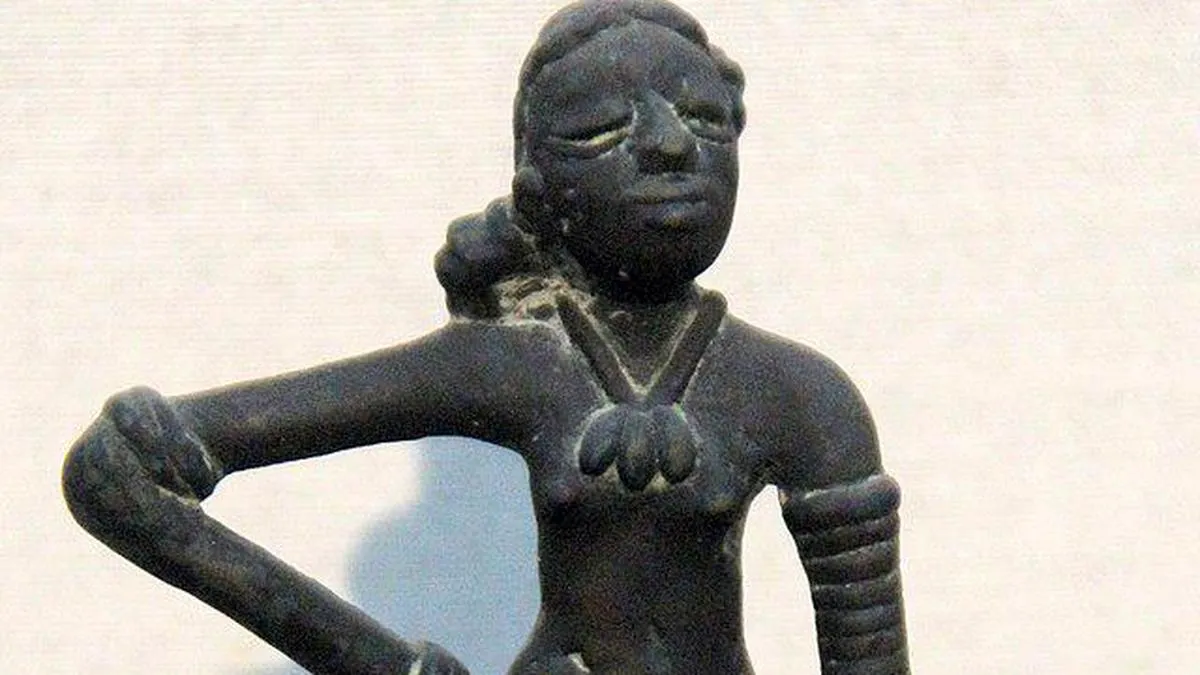
The National Council of Educational Research and Training (NCERT) has altered the depiction of the iconic 4,500-year-old 'Dancing Girl' bronze figurine from Mohenjo-daro in its new Class 9 arts textbook, shading the torso to appear clothed. This change, part of NCERT's first arts education series under the National Education Policy, contrasts with earlier textbooks where the figure appeared nude. The modification has sparked debate among historians and educators, with some calling it regressive and others citing age-appropriateness. NCERT has referred the matter to its textbook development team for review without providing a specific reason for the change.
First-hand measurement across 15 sources
We measured how 15 outlets covered this story. Coverage leans balanced overall (Left 22%, Centre 73%, Right 5%). Overall sentiment is neutral (45/100). Lens Score 30/100 — low public interest.
Outlets analysed (first-hand measurement by TBN's Bias Engine):
- news18— balanced framing, neutral sentiment
- timesnow— balanced framing, neutral sentiment
- thenewsminute— left-leaning framing, negative sentiment
- zeenews— balanced framing, neutral sentiment
- news18— balanced framing, neutral sentiment
- news18— balanced framing, neutral sentiment
- firstpost— balanced framing, neutral sentiment
- hindustantimes— left-leaning framing, neutral sentiment
AI Analysis
The article group presents perspectives primarily from educational authorities, historians, and cultural commentators. Some sources emphasize concerns about preserving historical accuracy and artistic integrity, while others highlight considerations of age-appropriateness and cultural sensitivity. The coverage includes critiques of perceived censorship and calls for decolonizing education, reflecting a range of viewpoints without aligning with any political ideology.
The overall tone across the articles is mixed, combining critical reactions to the alteration with neutral reporting of NCERT's response and procedural steps. While some sources express disappointment and describe the change as regressive or censorship, others focus on the administrative aspects and the ongoing review. The sentiment reflects a balance between concern over historical representation and acknowledgment of institutional processes.