Skip to content
Get the Balanced News app for a better experience!
The Balanced News Logo
Analytics
The Balanced News Logo

Stay Balanced, Stay Informed

Menu
  • Browse News
  • Underreported Stories
  • Curated Feeds
  • Insights
  • Analytics
  • Our Writers
  • About Us
  • Download App
Learn
  • How It Works
  • Bias Detection
  • Lens Score
  • Source Bias Checker
  • Accountability
  • Custom Feeds
Newsroom
  • Writers & Analysts
  • About TBN
  • Editorial Standards
  • Corrections Policy
  • Our Partners
  • Insights
Socials
  • Youtube
  • Instagram
  • X
  • Facebook
News Categories
  • Trending
  • Politics
  • Sports
  • Business
  • Tech
  • Entertainment
  • Health
  • Science
  • Crime
  • Lifestyle
  • National
  • International
  • Good News
  • Crypto

Get Our App

Available for iOS and Android


LensFeedsInsightsAnalyticsTrendingGood NewsSportsPoliticsBusinessCrimeTechEntertainmentHealthNationalInternational

© 2026 The Balanced News. All rights reserved.

About UsEditorial StandardsCorrectionsHelp & SupportPrivacy PolicyTerms & Conditions
EAC-PM Reports Highlight Graduate Employment Challenges and Declining Primary-School Population in India
Categories

Categories

Related Coverage

Select a news story to see related coverage from other media outlets.

Related Coverage

Select a news story to see related coverage from other media outlets.

  1. Home
  2. /
  3. Education

EAC-PM Reports Highlight Graduate Employment Challenges and Declining Primary-School Population in India

Analysed 5 Nov 2026·2 sources analysed·India·Education
EAC-PM Reports Highlight Graduate Employment Challenges and Declining Primary-School Population in IndiaNext

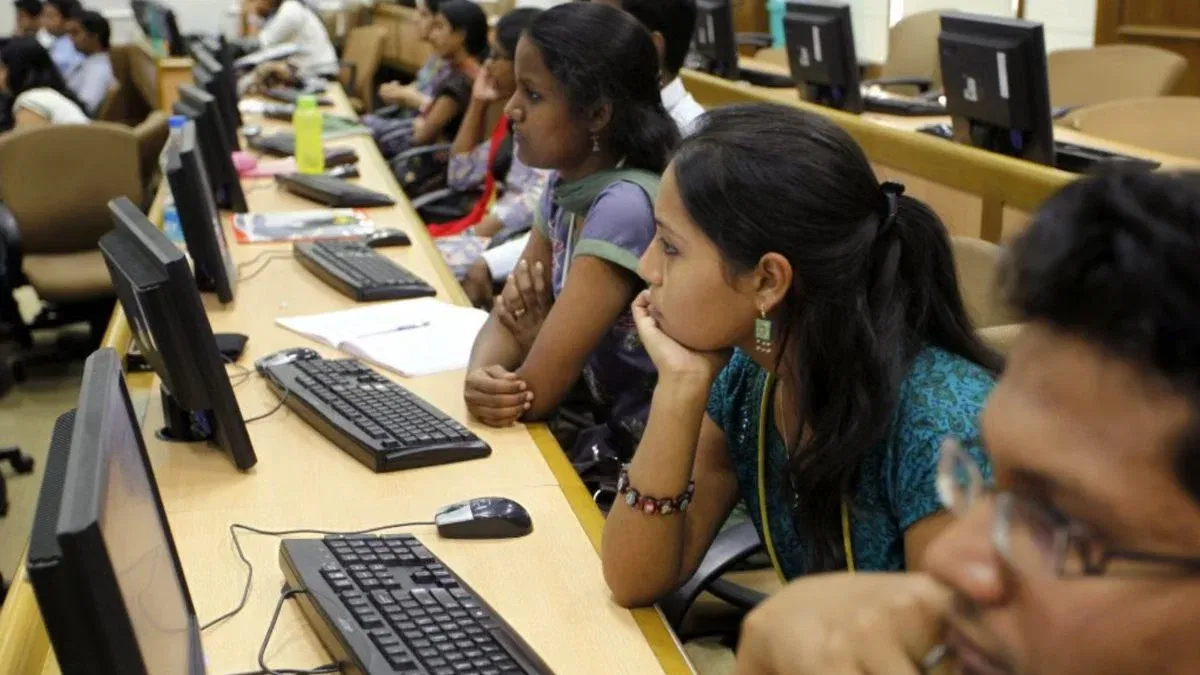
Two Economic Advisory Council to the Prime Minister (EAC-PM) papers highlight key trends in India's education and employment sectors. One reports that over half of employed young graduates work in low-skill jobs, attributing this to 'qualification congestion' and uneven returns based on institution and experience. The other projects a 20% decline in India's primary-school-age population by 2036, signaling potential shifts in school demand and resource allocation. Both studies emphasize structural challenges and demographic changes affecting education and employment.

Sentiment
50%
TBN's observations

First-hand measurement across 2 sources

We measured how 2 outlets covered this story. No outlet gave this story a measurable political slant — there is no left–right reading to report. Overall sentiment is neutral (50/100). Lens Score 47/100.

Outlets measured: theprint, businessstandard. See how each one headlined and framed the same story in the source comparison below.

AI analysis of 2 sources · Published under editorial oversight by The Balanced News
Analysed 5 Nov 2026· How this analysis is produced· Editorial standards· Corrections

AI Analysis

Sentiment — Neutral (50/100)

Sentiment was consistent across outlets (50–50/100), indicating broadly factual reporting rather than editorialising.

Coverage timeline

businessstandard broke this story on 5 Nov, 06:10 am. Other outlets followed.

5 Nov, 06:10 am2 sources · 13 h5 Nov, 07:30 pm
  1. 1
AI analysis by the TBN Bias Engine · beat methodology byOjas Kale· Founder & Editor
Next →
WBPSC Declares WBCS Prelims Result 2026; WBSSC Group C and D Results Pending
businessstandard5 Nov, 06:10 am
India faces a 20 decline in primary-school-age children by 2036: Study
  • 2
    theprint5 Nov, 07:30 pm
    Over half of India's employed young graduates doing low-skill jobs, says EAC-PM paper
  • Who's involved

    Institutions and figures named across source coverage.

    Government
    Ministry of EducationOffice of the Registrar General and Census CommissionerNational Commission on PopulationEconomic Advisory Council to the Prime Minister
    Corporate
    State Bank of India

    Story context

    Category
    Education
    Location
    India
    Sources analysed
    2
    Last analysed
    5 Nov 2026
    Key entities
    IndiaTotal fertility rateDemographyPrimary schoolLakhVocational educationCroreInformal economyInternshipInternational Labour OrganizationPostgraduate educationFertility