UPSC Exam Preparation Trends and Policy Debates in India
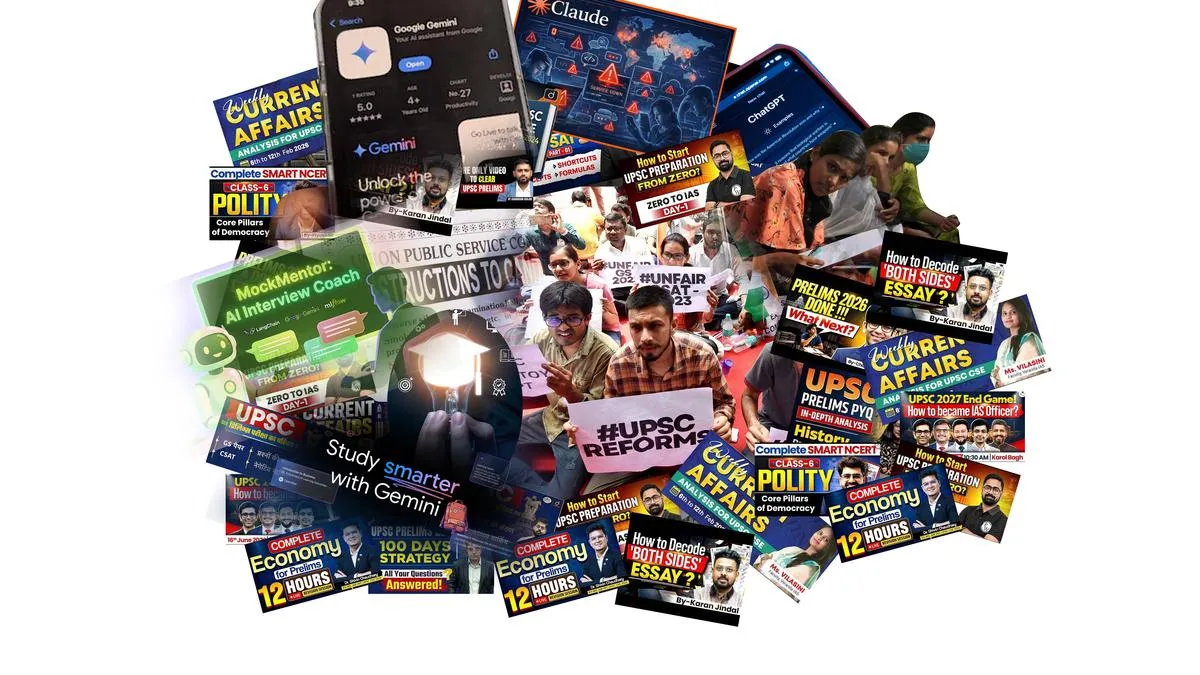
India's civil services examination (UPSC) remains highly competitive, with success rates below 1%. Aspirants increasingly use self-study methods, including AI tools and digital content, to prepare amid high coaching costs and accessibility challenges. Political debates continue over exam policies, such as age limits and attempt relaxations, with figures like Rahul Gandhi highlighting the exam's difficulty and questioning recruitment approaches. The UPSC's role as a selective, prestigious gateway to government service remains central to discussions on preparation and policy.
First-hand measurement across 2 sources
We measured how 2 outlets covered this story. Coverage leans balanced overall (Left 10%, Centre 88%, Right 2%). Overall sentiment is neutral (58/100). Lens Score 24/100 — low public interest.
Outlets analysed (first-hand measurement by TBN's Bias Engine):
- thehindu— balanced framing, positive sentiment
- newslaundry— balanced framing, neutral sentiment
AI Analysis
The articles represent a range of perspectives, including aspirants' experiences with evolving preparation methods and political commentary on exam policies. One article focuses on technological disruption and self-study trends, while the other critiques political interventions in UPSC rules, reflecting debates between administrative standards and populist demands. Both viewpoints are presented without overt endorsement, illustrating the complexity of UPSC-related discourse.
The overall tone is mixed, combining aspirants' pragmatic adaptation to challenges with critical reflections on political involvement in exam policies. Coverage acknowledges difficulties faced by candidates and the prestige of the UPSC, while also highlighting concerns about policy changes and their implications. The sentiment balances between hopeful innovation in preparation and cautious scrutiny of political influences.