UPTET 2026 Begins with Nearly 20 Lakh Candidates and Enhanced Security Measures
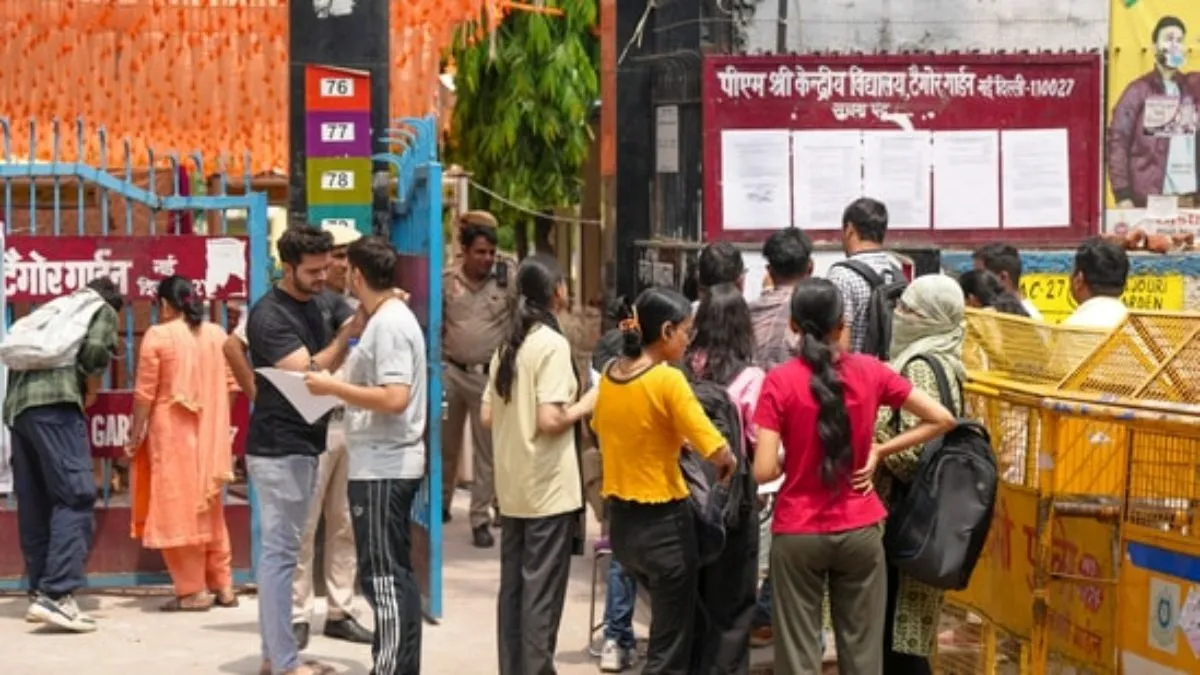
The Uttar Pradesh Teacher Eligibility Test (UPTET) 2026 commenced on July 2, with nearly 20 lakh candidates registered across 955 centres in 60 districts. The three-day exam, conducted by the Uttar Pradesh Education Service Selection Commission, includes primary and upper primary levels held in five shifts. Strict security measures, including AI-enabled surveillance and biometric verification, were implemented to ensure a fair, leak-free exam. On the first day, 15 impersonators were caught and handed to police. A recent High Court order limited eligibility for certain NIOS DElEd candidates, allowing only those in service before March 31, 2015, to appear provisionally.
First-hand measurement across 15 sources
We measured how 15 outlets covered this story. Coverage leans balanced overall (Left 2%, Centre 97%, Right 1%). Overall sentiment is neutral (64/100). Lens Score 42/100 — moderate-to-low public interest.
Outlets analysed (first-hand measurement by TBN's Bias Engine):
- indiatoday— balanced framing, neutral sentiment
- freepressjournal— balanced framing, positive sentiment
- indiatvnews— balanced framing, positive sentiment
- indianexpress— balanced framing, neutral sentiment
- indiatvnews— balanced framing, neutral sentiment
- oneindia— balanced framing, positive sentiment
- indiatoday— balanced framing, neutral sentiment
- freepressjournal— balanced framing, neutral sentiment
AI Analysis
The articles collectively present a neutral view focusing on the administration and conduct of UPTET 2026. They include official statements from government authorities and judicial developments without partisan framing. Coverage highlights government efforts for transparency and security, while also reporting legal constraints affecting specific candidate groups, reflecting administrative and judicial perspectives without political commentary.
The overall tone across the articles is factual and balanced, emphasizing the smooth conduct of the exam and security measures. Positive aspects such as the use of AI surveillance and prevention of impersonation are noted, alongside neutral reporting of legal restrictions on certain candidates. Candidate reactions and expert opinions on exam difficulty add informative depth without emotional bias, resulting in a mixed but predominantly neutral sentiment.