Concerns Raised Over Computer Skills Impact in India's Digital College Entrance Exams
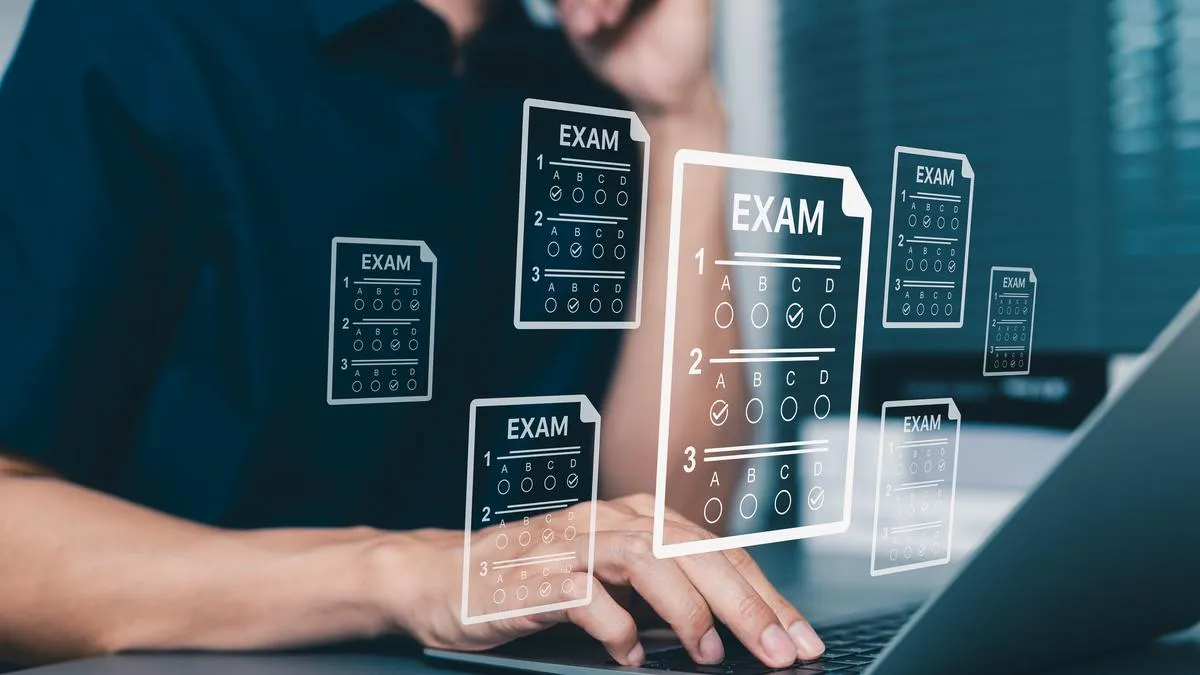
India's shift to computer-based college entrance exams, such as the Common University Entrance Test (CUET), aims to modernize assessment and standardize admissions. While these exams offer faster evaluation and logistical benefits, concerns arise that they may test computer skills alongside subject knowledge. The digital divide, including unequal access to quality technology, may disadvantage some students, raising questions about fairness and whether digital exams truly measure academic preparation.
First-hand measurement across 2 sources
We measured how 2 outlets covered this story. Coverage leans balanced overall (Left 30%, Centre 68%, Right 2%). Overall sentiment is neutral (55/100). Lens Score 22/100 — low public interest.
Outlets analysed (first-hand measurement by TBN's Bias Engine):
- thehindu— balanced framing, neutral sentiment
- thehindu— balanced framing, neutral sentiment
AI Analysis
The articles present a neutral perspective focusing on educational policy and technological implementation without partisan framing. They highlight concerns about equity and access in digital exams, reflecting viewpoints that emphasize fairness and inclusivity. The coverage does not align with any political ideology but rather discusses systemic challenges in education modernization.
The tone across the articles is cautiously critical, acknowledging the benefits of digital exams while emphasizing potential drawbacks related to fairness and access. The sentiment is balanced, neither fully endorsing nor rejecting computer-based testing, but urging consideration of its implications for students with varying technological familiarity.
How 2 sources covered this story
Each source's own headline, political lean, and sentiment — so you can see framing differences at a glance.