CBSE Releases CTET 2026 Admit Cards for February Exam on ctet.nic.in
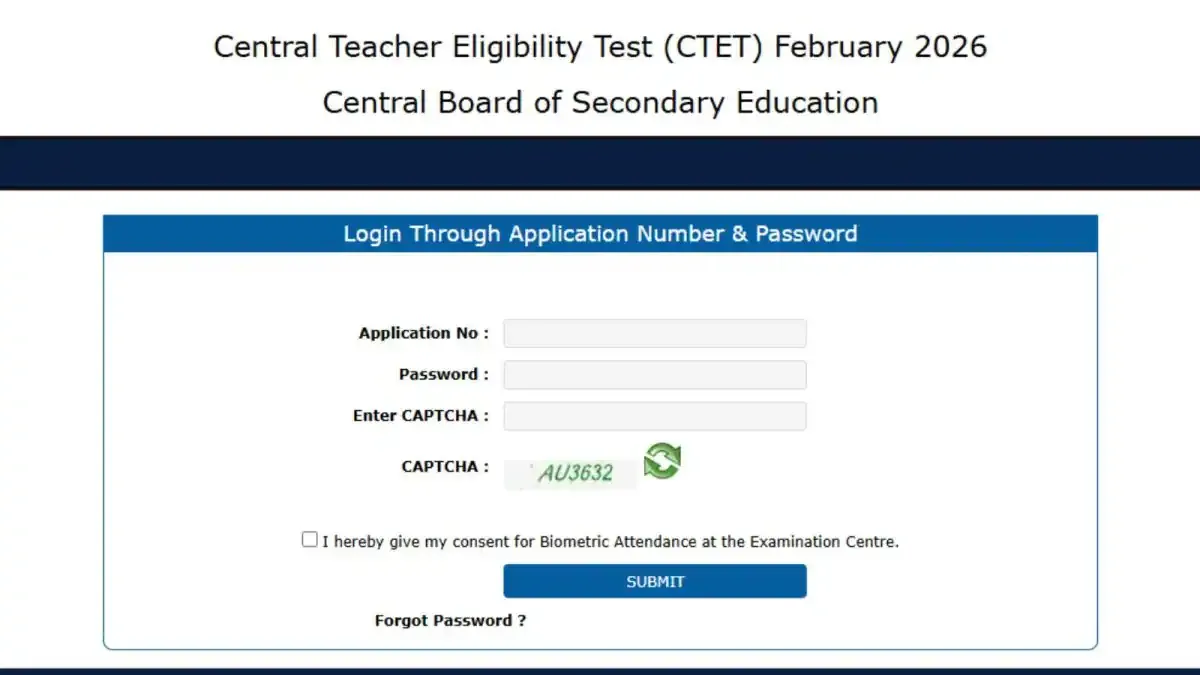
The Central Board of Secondary Education (CBSE) has released the Central Teacher Eligibility Test (CTET) 2026 admit cards on February 5, 2026, for the exam scheduled on February 7 and 8. Candidates can download their hall tickets from the official website ctet.nic.in using their application number and date of birth. The exam will be conducted in two shifts daily across over 140 cities. The admit card includes essential details like exam centre, date, and shift timings, and is mandatory for entry. Candidates must verify all information and report discrepancies promptly.
First-hand measurement across 15 sources
We measured how 15 outlets covered this story. Coverage leans balanced overall (Left 0%, Centre 100%, Right 0%). Overall sentiment is neutral (59/100). Lens Score 22/100.
Outlets measured: ndtv, hindustantimes, freepressjournal, indiatvnews, english, english, zeenews, news18, and 7 more. See how each one headlined and framed the same story in the source comparison below.
AI Analysis
All 15 outlets scored close to centre on political lean. The real divergence here is in emphasis, not lean — compare the headlines below to see how each outlet chose to frame the same facts.
Sentiment was consistent across outlets (50–60/100), indicating broadly factual reporting rather than editorialising.
Coverage timeline
economictimes broke this story on 5 Feb, 07:09 am. Other outlets followed.