CBSE Mandates Third Language Internal Assessment from 2027-28 Amid Supreme Court Challenges
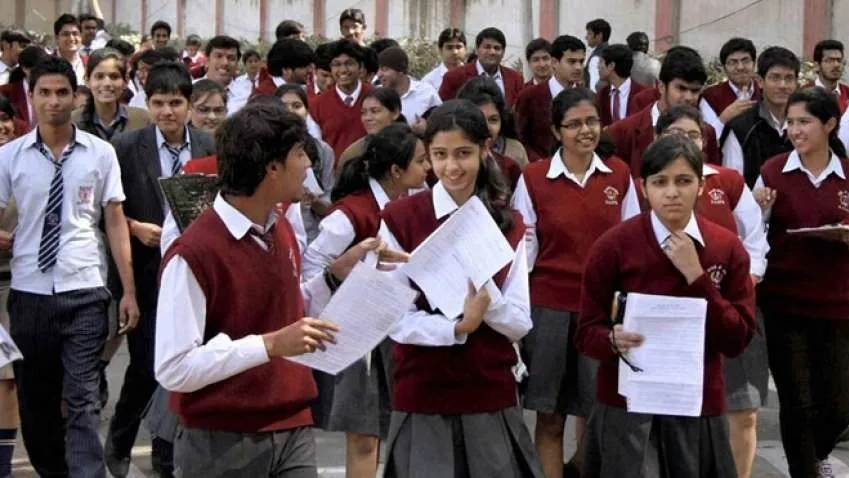
The Central Board of Secondary Education (CBSE) has mandated that from the 2027-28 academic session, students entering Class 10 must pass a school-based internal assessment in a third language (R3) to receive the Class 10 pass certificate, though this subject will not be part of the board exams. The policy, aligned with the National Education Policy 2020, requires students from Class 6 onwards to study three languages, with at least two being Indian languages. While CBSE asserts that nearly half of its schools already comply and has allowed flexible staffing, petitioners have challenged the policy in the Supreme Court citing lack of textbooks, trained teachers, and abrupt implementation. The Court has sought detailed responses and assured protection for teachers amid ongoing debates over the policy's rollout and definitions such as 'native Indian language.'
First-hand measurement across 15 sources
We measured how 15 outlets covered this story. Coverage leans balanced overall (Left 13%, Centre 83%, Right 4%). Overall sentiment is neutral (54/100). Lens Score 37/100 — moderate-to-low public interest.
Outlets analysed (first-hand measurement by TBN's Bias Engine):
- news18— balanced framing, positive sentiment
- indiatoday— balanced framing, neutral sentiment
- hindustantimes— balanced framing, neutral sentiment
- news18— balanced framing, neutral sentiment
- news18— balanced framing, neutral sentiment
- timesnow— balanced framing, neutral sentiment
- indianexpress— balanced framing, neutral sentiment
- thetribune— balanced framing, neutral sentiment
AI Analysis
The article group presents multiple perspectives including the CBSE and government defending the three-language policy as essential for multilingualism and national integration, while petitioners and parents challenge its implementation citing constitutional and practical concerns. The Supreme Court's involvement reflects judicial scrutiny of policy rollout and terminology. Sources include official affidavits, legal representatives, and media reports, offering a balanced view of institutional positions and public dissent.
The overall tone across the articles is mixed, combining CBSE's confident assertions about readiness and policy benefits with concerns from petitioners about resource shortages and sudden changes. The Supreme Court's cautious approach and assurances to teachers add a measured, neutral sentiment. Coverage highlights both the policy's intended educational goals and the challenges faced by stakeholders, avoiding sensationalism while acknowledging controversy.