Overview of Task Based Learning Method and Its Educational Applications
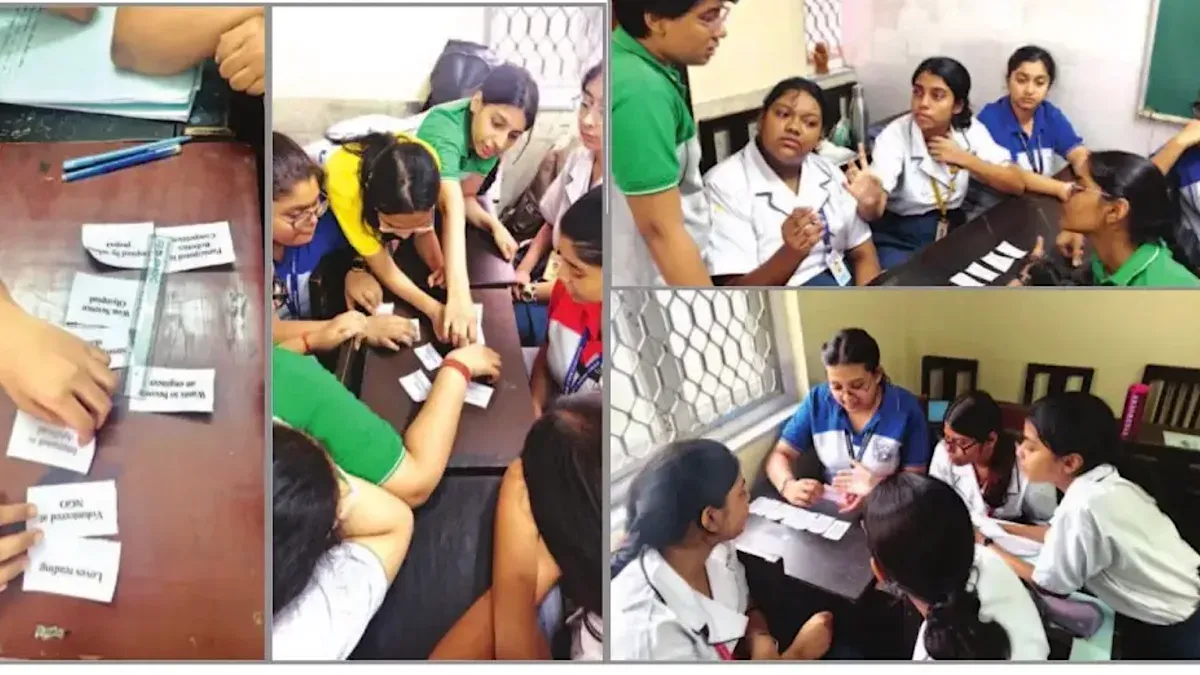
Task Based Learning, emerging in the 1980s, is an educational strategy where learners complete tasks simulating real-world scenarios, often facilitated by teachers who provide clear instructions. Originally popular in language learning to develop communication skills, it is increasingly applied in subjects like Mathematics, Science, and Commerce. The method encourages active participation through varied tasks such as worked examples and application-based exercises, promoting creative problem-solving and engagement.
First-hand measurement across 2 sources
We measured how 2 outlets covered this story. Coverage leans balanced overall (Left 0%, Centre 100%, Right 0%). Overall sentiment is positive (75/100). Lens Score 17/100 — low public interest.
Outlets analysed (first-hand measurement by TBN's Bias Engine):
- thestatesman— balanced framing, positive sentiment
- thestatesman— balanced framing, positive sentiment
AI Analysis
The articles present an educational topic without political framing, focusing on pedagogical methods and personal anecdotes. The perspective is neutral, emphasizing instructional strategies and their benefits without engaging in political discourse or ideological viewpoints.
The tone across the articles is positive and informative, highlighting the effectiveness and versatility of Task Based Learning. The narrative includes personal reflections that convey appreciation for the method, fostering an encouraging and constructive sentiment toward educational innovation.
How 2 sources covered this story
Each source's own headline, political lean, and sentiment — so you can see framing differences at a glance.