Skip to content
Get the Balanced News app for a better experience!
The Balanced News Logo
Analytics
The Balanced News Logo

Stay Balanced, Stay Informed

Menu
  • Browse News
  • Underreported Stories
  • Curated Feeds
  • Insights
  • Analytics
  • Our Writers
  • About Us
  • Download App
Learn
  • How It Works
  • Bias Detection
  • Lens Score
  • Source Bias Checker
  • Accountability
  • Custom Feeds
Newsroom
  • Writers & Analysts
  • About TBN
  • Editorial Standards
  • Corrections Policy
  • Our Partners
  • Insights
Socials
  • Youtube
  • Instagram
  • X
  • Facebook
News Categories
  • Trending
  • Politics
  • Sports
  • Business
  • Tech
  • Entertainment
  • Health
  • Science
  • Crime
  • Lifestyle
  • National
  • International
  • Good News
  • Crypto

Get Our App

Available for iOS and Android


LensFeedsInsightsAnalyticsTrendingGood NewsSportsPoliticsBusinessCrimeTechEntertainmentHealthNationalInternational

© 2026 The Balanced News. All rights reserved.

About UsEditorial StandardsCorrectionsHelp & SupportPrivacy PolicyTerms & Conditions
NCERT Class 9 Textbook Details Historical Resistance in Indian Subcontinent (1000-1700 CE)
Categories

Categories

Related Coverage

Select a news story to see related coverage from other media outlets.

Related Coverage

Select a news story to see related coverage from other media outlets.

  1. Home
  2. /
  3. Education

NCERT Class 9 Textbook Details Historical Resistance in Indian Subcontinent (1000-1700 CE)

Analysed 29 Sept 2026·2 sources analysed·Indian subcontinent, India·Education
NCERT Class 9 Textbook Details Historical Resistance in Indian Subcontinent (1000-1700 CE)Next

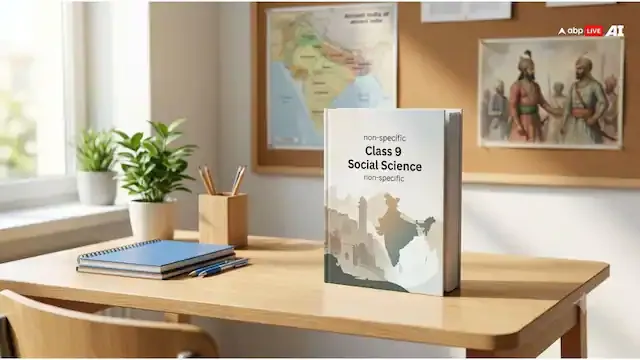
The newly released NCERT Class 9 Social Science textbook Part 2 covers resistance movements in the Indian subcontinent from 1000 to 1700 CE against Arab, Turkic, Mughal, and European powers. It highlights rulers and communities, including women leaders like Queen Naiki Devi, Rani Abbakka Chowta, and Queen Rudrama Devi. The book details the Jat uprisings against Mughal taxation and Aurangzeb's policies in 1669 and 1686, emphasizing economic hardships and prolonged Mughal campaigns as factors in the rebellions.

Sentiment
50%
TBN's observations

First-hand measurement across 2 sources

We measured how 2 outlets covered this story. No outlet gave this story a measurable political slant — there is no left–right reading to report. Overall sentiment is neutral (50/100). Lens Score 38/100.

Outlets measured: english, news18. See how each one headlined and framed the same story in the source comparison below.

AI analysis of 2 sources · Published under editorial oversight by The Balanced News
Analysed 29 Sept 2026· How this analysis is produced· Editorial standards· Corrections

AI Analysis

Sentiment — Neutral (50/100)

Sentiment was consistent across outlets (50–50/100), indicating broadly factual reporting rather than editorialising.

Coverage timeline

news18 broke this story on 29 Sept, 02:34 am. Other outlets followed.

29 Sept, 02:34 am2 sources · 2 h29 Sept, 04:52 am
AI analysis by the TBN Bias Engine · beat methodology byOjas Kale· Founder & Editor
Next →
WBSSC Releases Updated Interview List for Class 11-12 Teacher Recruitment After OBC Reservation Revision
1
news1829 Sept, 02:34 am
NCERT Releases New Class 9 Social Science Book, Details Resistance Against Mughals, Turks, Portuguese
  • 2
    english29 Sept, 04:52 am
    NCERT: Indian Subcontinent Saw Invasions Driven By Territorial, Religious Motives From 7th Century
  • Who's involved

    Institutions and figures named across source coverage.

    Government
    National Council of Educational Research and Training

    Story context

    Category
    Education
    Location
    Indian subcontinent, India
    Sources analysed
    2
    Last analysed
    29 Sept 2026
    Key entities
    JatsTurkic peoplesAurangzebMughal EmpireCommon EraNaiki DeviSikhsAbbakka ChowtaDeccan PlateauPortuguese EmpireMularaja IIHindu Shahis