NCERT Adds Emergency Chapter to Class 9 Textbook Highlighting Democratic Challenges
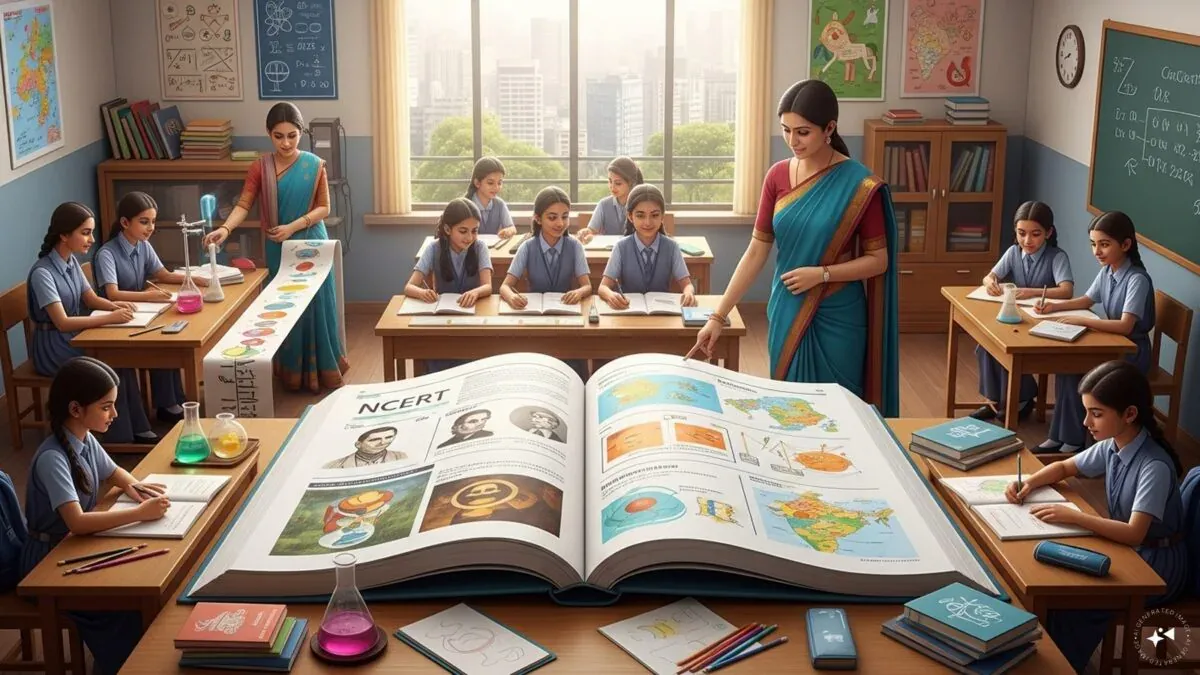
For the first time, NCERT has included a section on the 1975-77 Emergency in the Class 9 Social Science textbook "Understanding Society: India and Beyond." The chapter frames the Emergency as a major challenge to Indian democracy, highlighting the suspension of fundamental rights, press censorship, and arrests of political leaders. It also discusses public dissatisfaction with the Indira Gandhi government, the role of Jayaprakash Narayan in opposing the Emergency, and situates the episode within broader democratic challenges. This inclusion coincides with the 50th anniversary of the Emergency.
First-hand measurement across 15 sources
We measured how 15 outlets covered this story. Coverage leans balanced overall (Left 29%, Centre 63%, Right 8%). Overall sentiment is neutral (58/100). Lens Score 28/100 — low public interest.
Outlets analysed (first-hand measurement by TBN's Bias Engine):
- httpswwwoutlookindiacom— balanced framing, neutral sentiment
- economictimes— right-leaning framing, neutral sentiment
- hindustantimes— balanced framing, neutral sentiment
- thehindu— balanced framing, neutral sentiment
- news18— balanced framing, neutral sentiment
- firstpost— balanced framing, neutral sentiment
- opindia— balanced framing, neutral sentiment
- theassamtribune— balanced framing, neutral sentiment
AI Analysis
The article group presents a largely factual and historical perspective on the Emergency, focusing on its impact on democracy without partisan framing. Sources emphasize the suspension of rights and political opposition during the period, reflecting a consensus on its significance as a democratic challenge. The coverage includes official NCERT statements and educational context, with minimal political commentary or ideological bias.
The overall tone across the articles is neutral and informative, aiming to educate readers about the Emergency's historical significance. The language is measured, describing events such as rights suspension and censorship without emotive or sensational terms. The sentiment is balanced, acknowledging the Emergency as a serious challenge while highlighting democratic resilience and educational progress.