India's Education Challenges Highlight Need for Purpose, Teacher Support, and PPP Models
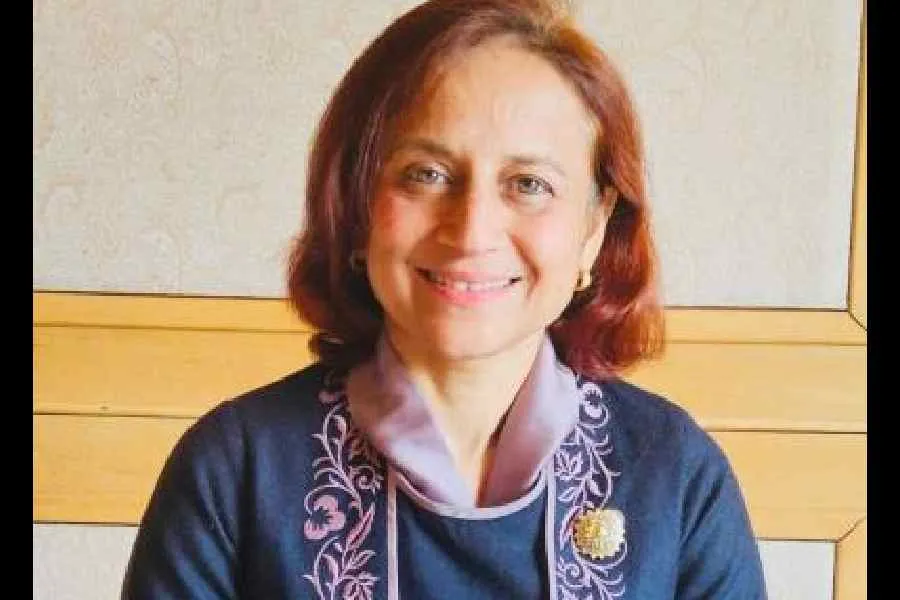
India's education system faces challenges beyond access, including weak foundational skills, limited research funding, and low innovation. Despite large enrollment numbers, concerns persist about educational purpose, teacher motivation, and quality outcomes. Experts suggest that improving teacher appreciation and exploring new models like public-private partnerships in higher education could address systemic issues, drawing parallels with successful PPP implementations in other sectors such as airports.
First-hand measurement across 3 sources
We measured how 3 outlets covered this story. Coverage leans balanced overall (Left 17%, Centre 78%, Right 5%). Overall sentiment is neutral (60/100). Lens Score 23/100 — low public interest.
Outlets analysed (first-hand measurement by TBN's Bias Engine):
- thetelegraph— balanced framing, neutral sentiment
- hindustantimes— balanced framing, positive sentiment
- hindustantimes— balanced framing, positive sentiment
AI Analysis
The articles collectively present a range of perspectives focusing on systemic educational challenges without partisan framing. They include critiques of current policies, emphasize structural reforms, and suggest solutions like PPP models and enhanced teacher support. The coverage reflects expert and practitioner viewpoints rather than political party positions, maintaining a policy-oriented discourse.
The overall tone is analytical and constructive, acknowledging significant challenges in India's education system while highlighting potential pathways for improvement. The sentiment is mixed but leans toward cautious optimism, emphasizing the need for reform and innovation rather than assigning blame or celebrating successes.
How 3 sources covered this story
Each source's own headline, political lean, and sentiment — so you can see framing differences at a glance.