TIFR Professor Discusses Expanding Role of AI in Physics Research and Education
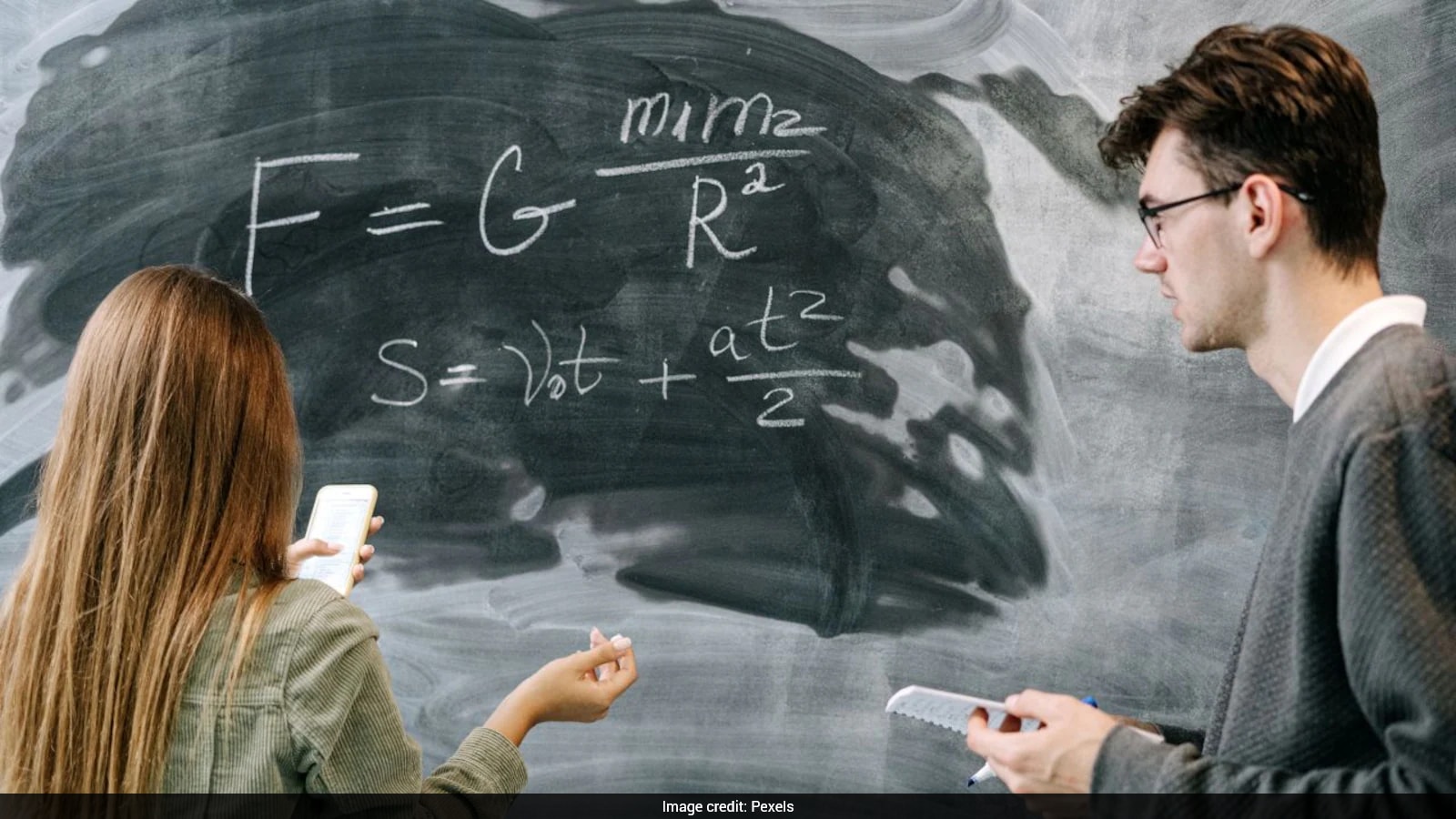
Professor G Ravindra Kumar of TIFR Mumbai highlights how artificial intelligence (AI) is creating new opportunities in physics research, particularly in experimental physics and data analysis. AI aids in optimizing laboratory systems, improving laser experiments, and accelerating cancer prediction using extensive datasets. He encourages students to build strong fundamentals and embrace AI technologies, noting rapid advancements and the expanding role of AI in scientific discovery.
First-hand measurement across 2 sources
We measured how 2 outlets covered this story. Coverage leans balanced overall (Left 0%, Centre 100%, Right 0%). Overall sentiment is positive (75/100). Lens Score 29/100 — low public interest.
Outlets analysed (first-hand measurement by TBN's Bias Engine):
- ndtv— balanced framing, positive sentiment
- ndtv— balanced framing, positive sentiment
AI Analysis
The articles present a scientific and educational perspective without political framing. They focus on technological advancements and academic insights from a respected professor, reflecting a neutral stance centered on research and innovation rather than political viewpoints.
The tone across the articles is positive and forward-looking, emphasizing opportunities and benefits of AI in physics. The coverage highlights optimism about AI's potential to enhance research and education, with cautious acknowledgment of the fast-evolving nature of the field.
How 2 sources covered this story
Each source's own headline, political lean, and sentiment — so you can see framing differences at a glance.