CBSE Enforces Three-Language Policy, Impacting Foreign Language Instruction in Schools
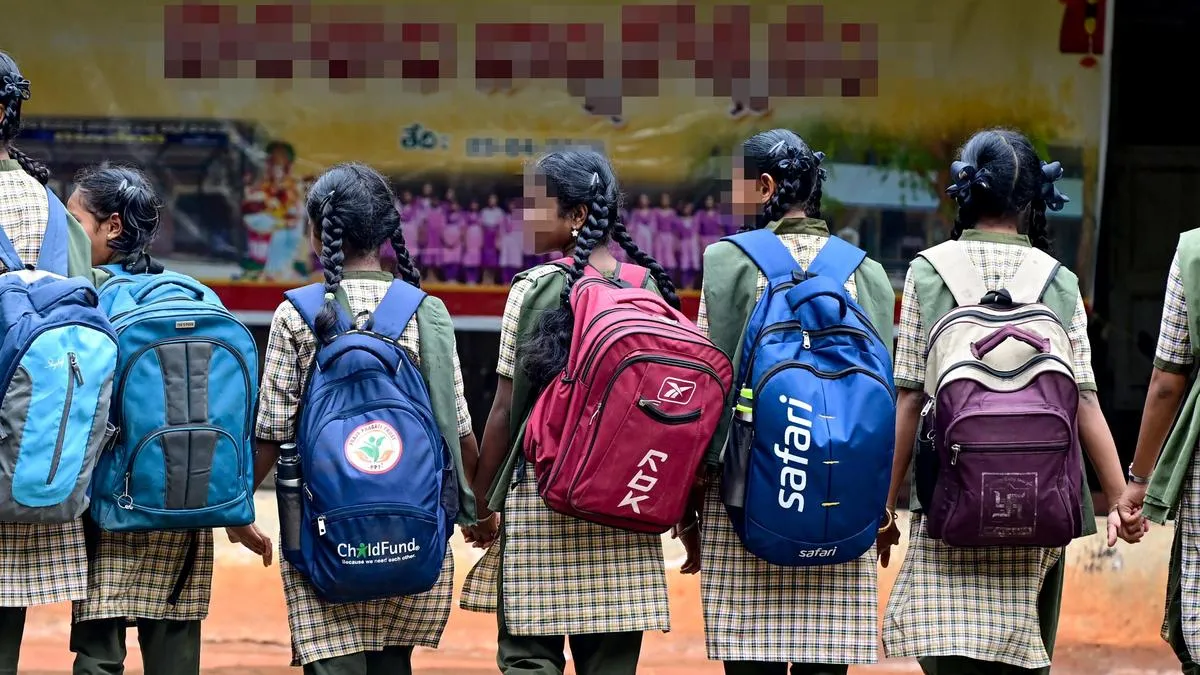
The Central Board of Secondary Education (CBSE) has mandated the implementation of the three-language formula from Class 6 under the National Education Policy 2020, requiring two of the three languages to be native Indian languages. This has led many English-medium schools to discontinue foreign languages like French, often replacing them with Sanskrit. While English is recognized as both a first and foreign language depending on context, debates continue over its role and the practicality of teaching multiple languages across diverse student populations in India.
First-hand measurement across 2 sources
We measured how 2 outlets covered this story. Coverage leans balanced overall (Left 40%, Centre 55%, Right 5%). Overall sentiment is neutral (38/100). Lens Score 28/100 — low public interest.
Outlets analysed (first-hand measurement by TBN's Bias Engine):
- thetelegraph— left-leaning framing, negative sentiment
- thehindu— balanced framing, neutral sentiment
AI Analysis
The articles present perspectives on language policy in India, highlighting government directives and educational challenges without endorsing any political stance. They reflect views on the National Education Policy's language requirements and the role of English, representing both official policy positions and critiques from educational commentators. The coverage includes regional and socio-economic considerations, illustrating diverse viewpoints on language instruction.
The tone across the articles is largely neutral to critical, focusing on the complexities and challenges of implementing the three-language formula. While acknowledging the policy's intentions, the coverage points to practical difficulties faced by schools and students, especially regarding foreign language discontinuation and linguistic diversity. There is a measured concern about the effectiveness of language proficiency outcomes under the current framework.