Teenager Reports Security Flaws in NEET and JEE Portals, Prompting Government Action
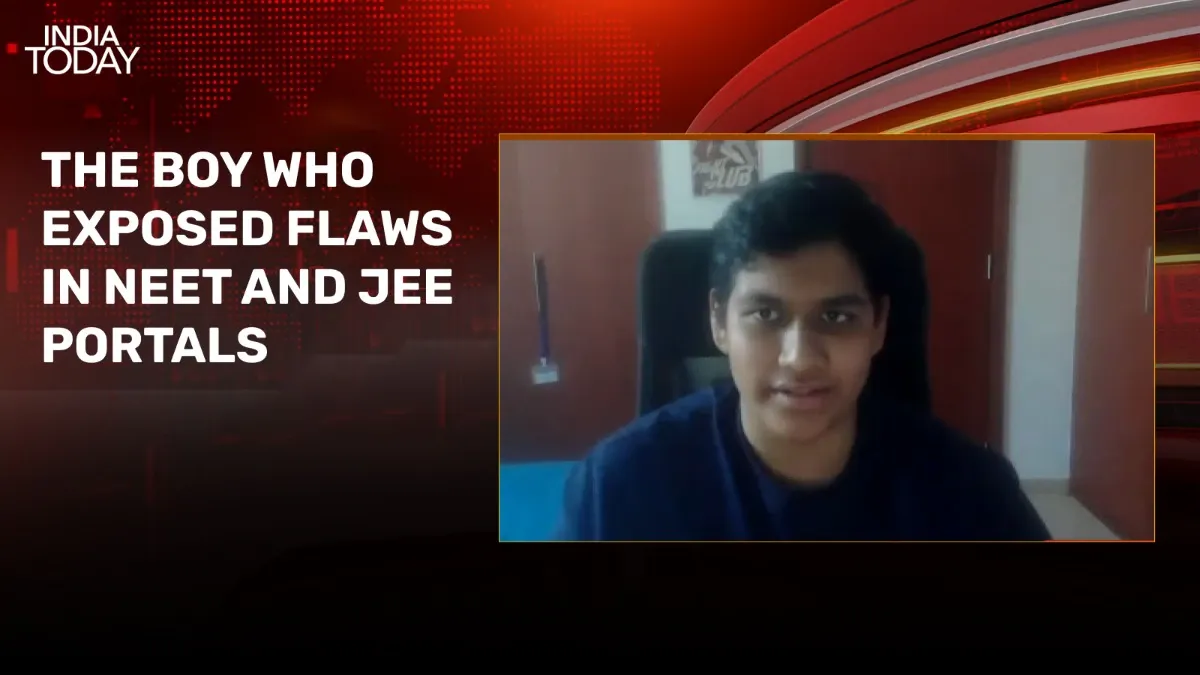
Sixteen-year-old Rylen Anil, a Dubai-based student, identified and ethically reported significant security vulnerabilities in India's NEET and JEE Advanced examination portals within hours. His disclosures prompted swift government acknowledgment and immediate action to secure the systems. Rylen is part of a growing group of young ethical hackers exposing flaws in India's education infrastructure, despite facing online criticism. Authorities have recognized their contributions, highlighting the impact of these youths on national cybersecurity and examination integrity.
First-hand measurement across 2 sources
We measured how 2 outlets covered this story. Coverage leans balanced overall (Left 10%, Centre 85%, Right 5%). Overall sentiment is positive (75/100). Lens Score 34/100 — low public interest.
Outlets analysed (first-hand measurement by TBN's Bias Engine):
- indiatoday— balanced framing, positive sentiment
- indiatoday— balanced framing, positive sentiment
AI Analysis
The articles primarily present a neutral narrative focusing on the technical achievements of the teenager and the government's responsive measures. They include perspectives of the young ethical hackers and government officials without partisan framing. The coverage highlights both the challenges faced by the youths, such as online trolling, and the official acknowledgment, reflecting a balanced portrayal of stakeholders involved.
The overall tone across the articles is positive, emphasizing the constructive role of young ethical hackers in improving examination security. While acknowledging the criticism and challenges faced by these teenagers, the coverage celebrates their technical skills and the prompt government response, resulting in an encouraging and solution-oriented sentiment.
How 2 sources covered this story
Each source's own headline, political lean, and sentiment — so you can see framing differences at a glance.