Satluj, Film on Jaswant Singh Khalra, Released on ZEE5 Then Removed Amid Ongoing Issues
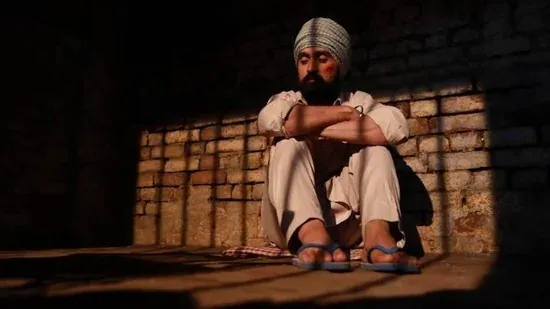
Satluj, a film inspired by human rights activist Jaswant Singh Khalra's life and directed by Honey Trehan, was released on ZEE5 after nearly four years of censorship delays and certification battles. The film, starring Diljit Dosanjh, depicts Khalra's investigation into alleged illegal killings and secret cremations in 1990s Punjab. Despite critical acclaim and approval from Khalra's family, Satluj was removed from ZEE5 in India two days after release, with the platform citing ongoing developments and promising to restore access soon.
First-hand measurement across 15 sources
We measured how 15 outlets covered this story. Coverage leans left-leaning overall (Left 62%, Centre 35%, Right 3%). Overall sentiment is neutral (54/100). Lens Score 38/100 — moderate-to-low public interest.
Outlets analysed (first-hand measurement by TBN's Bias Engine):
- scrollin— left-leaning framing, neutral sentiment
- ndtv— balanced framing, neutral sentiment
- news18— left-leaning framing, neutral sentiment
- freepressjournal— left-leaning framing, neutral sentiment
- indiatoday— left-leaning framing, neutral sentiment
- timesnow— balanced framing, neutral sentiment
- indiatoday— left-leaning framing, neutral sentiment
- wion— left-leaning framing, neutral sentiment
AI Analysis
The article group presents multiple perspectives including the filmmakers' struggle against censorship, the human rights activism of Jaswant Singh Khalra, and the film's reception by audiences and public figures. Coverage includes official statements from ZEE5 and Khalra's family, highlighting challenges with state authorities and censorship bodies. The sources frame the story around issues of accountability, freedom of expression, and historical memory without endorsing any political stance.
The overall tone is mixed, combining admiration for the film's artistic and social significance with concern over censorship and its removal from the streaming platform. Positive sentiments arise from critical praise, audience reactions, and endorsements by Khalra's family and public figures, while negative sentiment is linked to the film's delayed release and sudden unavailability in India. The coverage balances respect for the film's message with acknowledgment of ongoing controversies.