Diljit Dosanjh's Satluj Removed from ZEE5 India Amid Censorship and Security Concerns
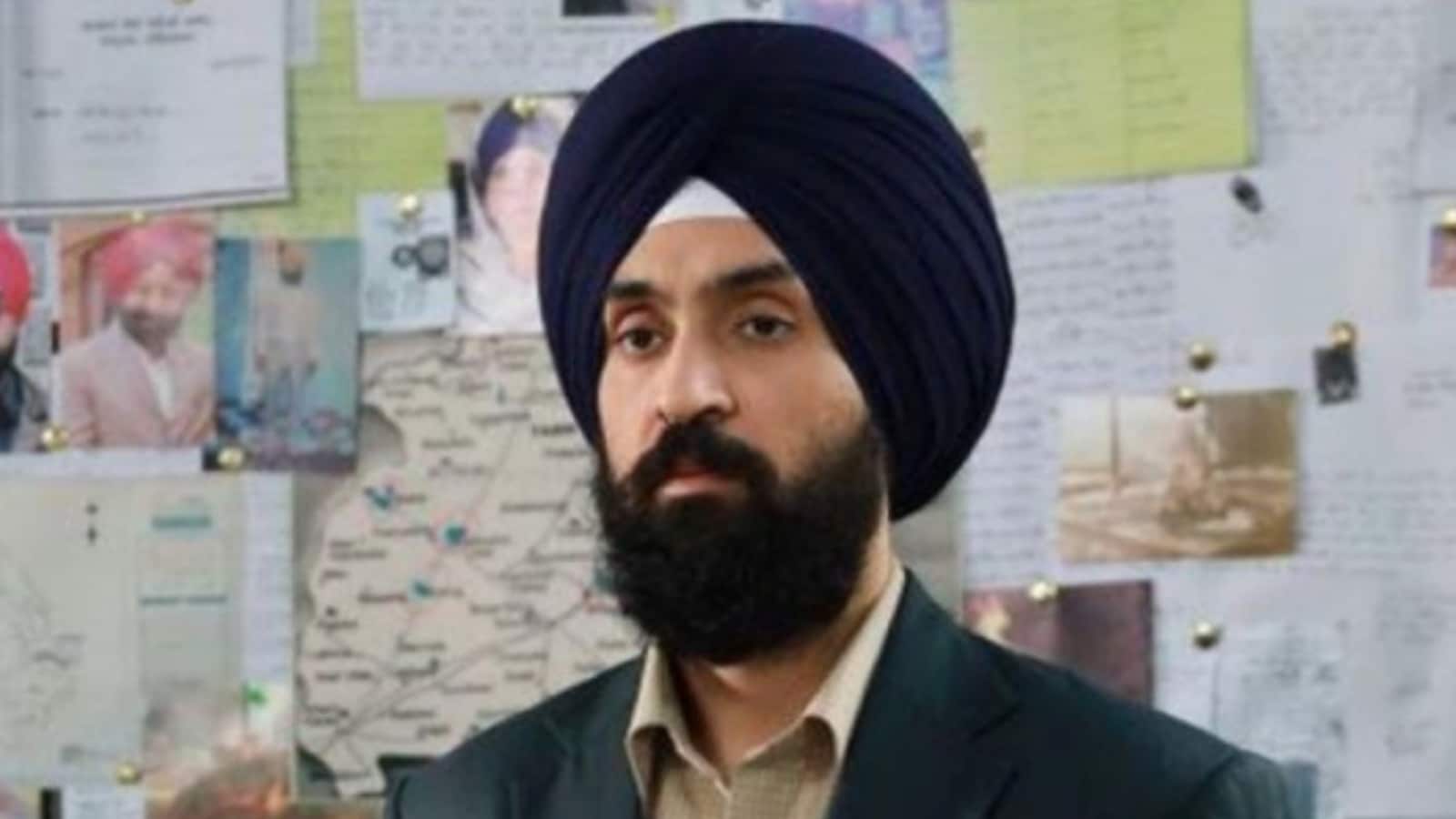
Diljit Dosanjh's film Satluj, based on human rights activist Jaswant Singh Khalra's life and Punjab's 1990s militancy era, faced a prolonged censorship battle including demands for 127 cuts and title changes. Released quietly on ZEE5 on July 3, 2026, it was removed from the platform in India within 48 hours following a government directive citing security concerns and potential misuse by anti-India elements. The removal sparked widespread debate on censorship, freedom of expression, and historical memory, with political leaders, Sikh bodies, and activists condemning the ban and urging open discussion. Despite its takedown, the film remains available internationally and continues to circulate online, with Dosanjh encouraging fans to share it widely.
First-hand measurement across 15 sources
We measured how 15 outlets covered this story. Coverage leans centre-left overall (Left 54%, Centre 40%, Right 6%). Overall sentiment is neutral (41/100). Lens Score 38/100 — moderate-to-low public interest.
Outlets analysed (first-hand measurement by TBN's Bias Engine):
- mint— left-leaning framing, negative sentiment
- hindustantimes— balanced framing, neutral sentiment
- english— left-leaning framing, negative sentiment
- hindustantimes— left-leaning framing, neutral sentiment
- indiatoday— balanced framing, neutral sentiment
- indiatoday— left-leaning framing, neutral sentiment
- thetelegraph— left-leaning framing, neutral sentiment
- hindustantimes— centre-left framing, neutral sentiment
AI Analysis
The article group presents a range of perspectives including government sources citing security risks and anti-India misuse concerns, opposition and Sikh leaders condemning the removal as censorship and suppression of historical truth, and voices from the film's creators emphasizing artistic freedom. The coverage includes official statements, political reactions, activist viewpoints, and industry opinions, reflecting a multifaceted political discourse without privileging any single narrative.
The overall tone across the articles is mixed, combining critical views on censorship and support for the film's message with acknowledgment of the sensitive political context. While many sources express disappointment and concern over the film's removal, highlighting its emotional and historical significance, others note the government's rationale and legal frameworks. The sentiment balances advocacy for freedom of expression with recognition of security and regulatory considerations.