Enola Holmes 3 Explores Personal Growth and Patriarchal Themes Beyond Mystery
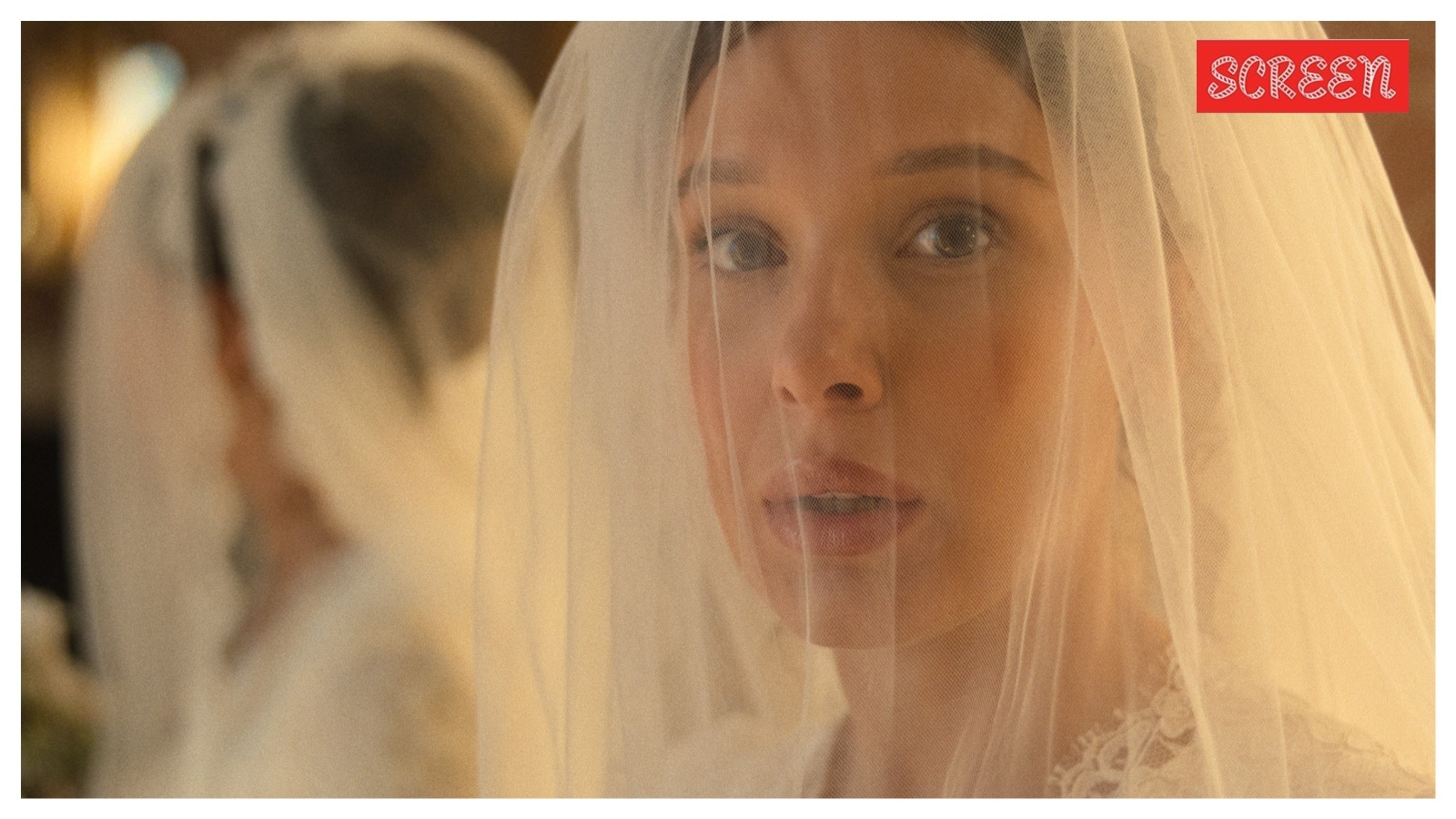
Enola Holmes 3, directed by Phillip Barantini, shifts from a traditional whodunit to focus on the motivations behind its antagonist, revealed early in the film. The story explores themes of patriarchy and emotional restraint within a Victorian-era setting, highlighting Enola's personal growth and contemplation of marriage. Barantini collaborates with screenwriter Jack Thorne to maintain the franchise's spirit while introducing deeper emotional and political layers through the protagonist's journey.
First-hand measurement across 2 sources
We measured how 2 outlets covered this story. Coverage leans balanced overall (Left 15%, Centre 83%, Right 2%). Overall sentiment is positive (75/100). Lens Score 26/100 — low public interest.
Outlets analysed (first-hand measurement by TBN's Bias Engine):
- indianexpress— balanced framing, positive sentiment
- indianexpress— balanced framing, positive sentiment
AI Analysis
The articles present a perspective that emphasizes feminist themes and critiques of patriarchy within the film, reflecting a socially conscious viewpoint. They highlight the role of powerful women both challenging and perpetuating societal structures. The coverage focuses on the director's approach to these themes without partisan framing, maintaining a cultural and gender-focused lens.
The tone across the articles is generally positive, appreciating the film's thematic depth and the director's ability to balance emotional complexity with the franchise's established style. While noting a departure from the typical mystery format, the sentiment reflects approval of the narrative's focus on character development and social commentary.
How 2 sources covered this story
Each source's own headline, political lean, and sentiment — so you can see framing differences at a glance.