'Lagaan' Portrays Colonial Resistance and National Unity Through Cricket
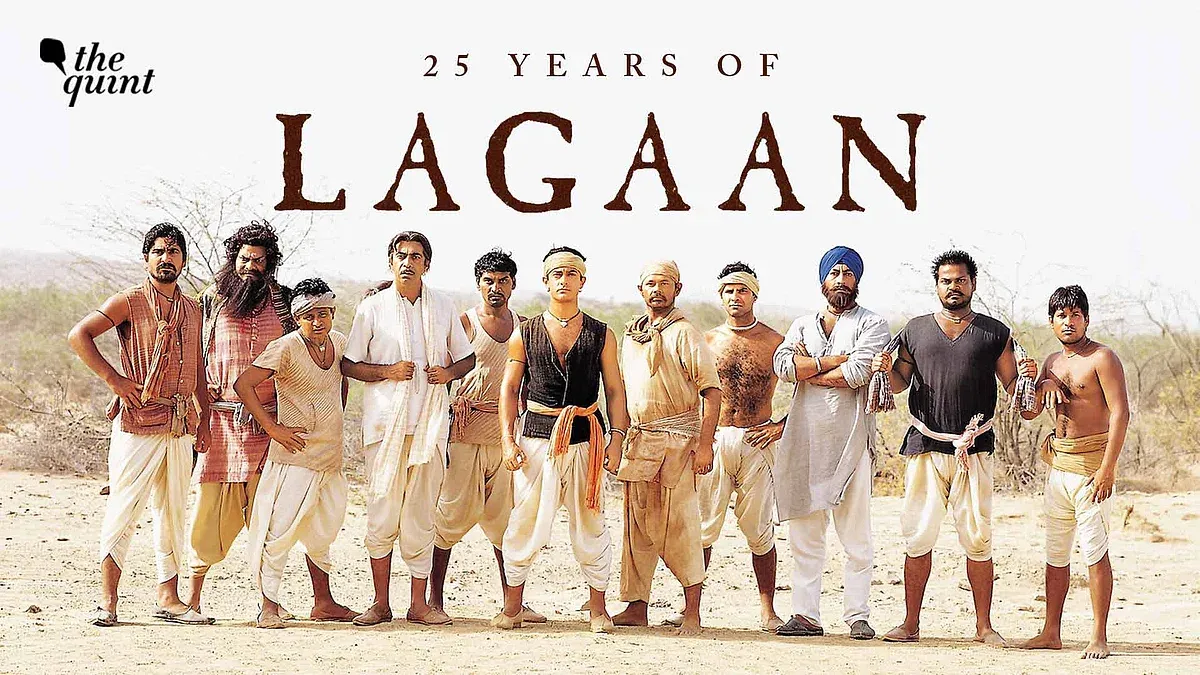
The 2001 film 'Lagaan,' directed by Ashutosh Gowariker, depicts a cricket match between Indian villagers and British colonial rulers as a symbol of national unity transcending caste, class, and religion. Set in 1893, the story follows villagers challenging oppressive tax demands through sport, reflecting subaltern protest against colonial exploitation. While celebrated for its cross-community resistance narrative, some view its themes as increasingly controversial in today's socio-political climate.
First-hand measurement across 2 sources
We measured how 2 outlets covered this story. Coverage leans centre-left overall (Left 50%, Centre 45%, Right 5%). Overall sentiment is neutral (58/100). Lens Score 21/100 — low public interest.
Outlets analysed (first-hand measurement by TBN's Bias Engine):
- thequint— left-leaning framing, neutral sentiment
- businessstandard— balanced framing, positive sentiment
AI Analysis
The articles present perspectives highlighting 'Lagaan' as a film embodying anti-colonial resistance and national unity, reflecting post-colonial India's socio-political context. One source emphasizes its historical and cultural significance, while the other notes contemporary debates framing such narratives as controversial. Both viewpoints acknowledge the film's thematic focus on collective resistance without endorsing political positions.
The overall tone is appreciative of 'Lagaan's' storytelling and cultural impact, recognizing its role in portraying unity and resistance. However, there is a nuanced acknowledgment of changing societal attitudes that might challenge the film's themes today. The sentiment is thus mixed, combining respect for the film's legacy with awareness of evolving interpretations.