Dharma Productions Secures Rs 250 Crore India Distribution Rights for Ramayana Film
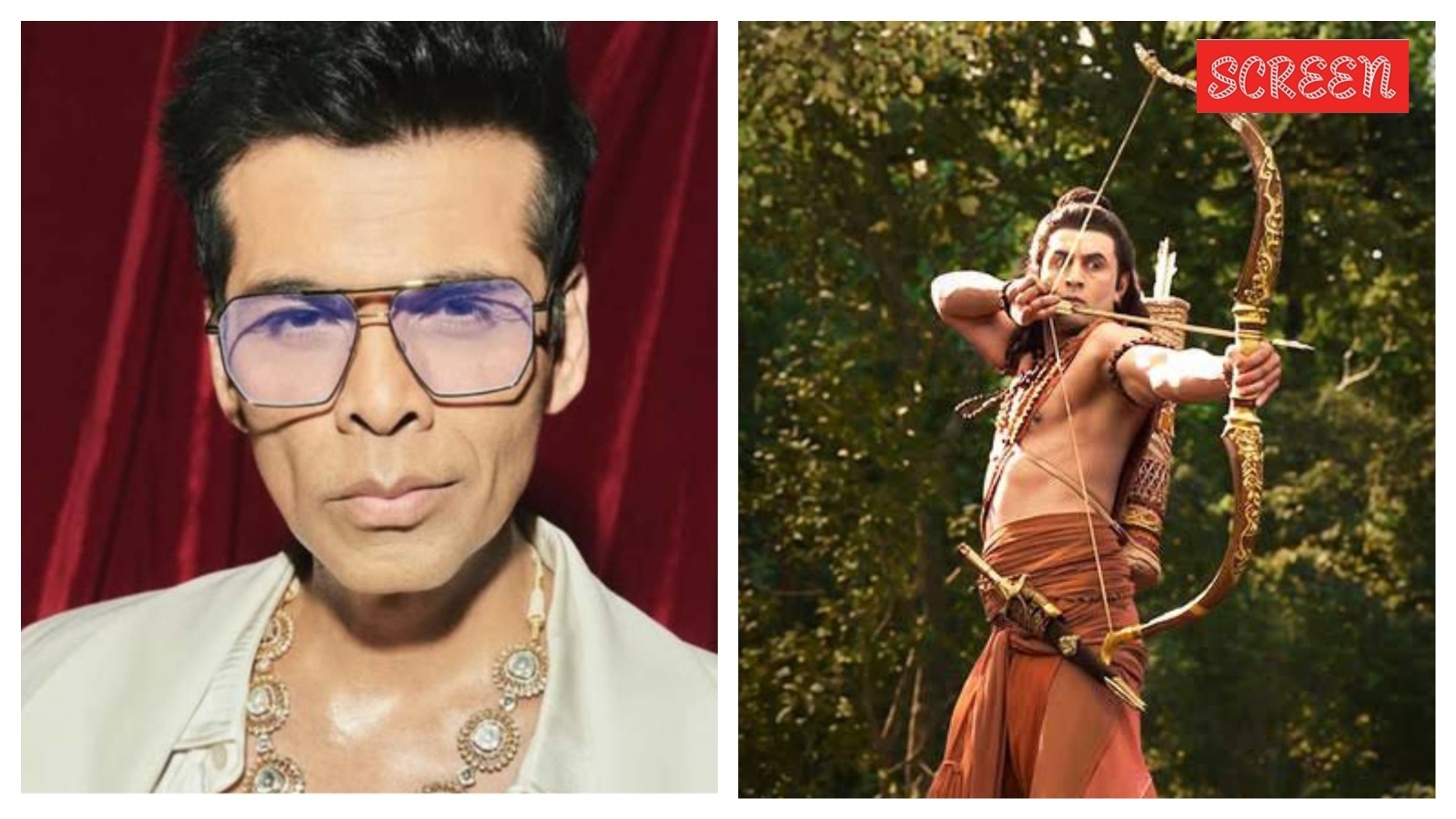
Karan Johar's Dharma Productions has acquired the Indian distribution rights for Nitesh Tiwari's two-part epic film Ramayana for Rs 250 crore, following negotiations that began at Rs 500 crore. Produced by Namit Malhotra's DNEG and Yash's Monster Mind Creations with a reported budget of Rs 4,000 crore, the film stars Ranbir Kapoor as Rama, Sai Pallavi as Sita, and Yash as Ravana. Warner Bros. Pictures will handle overseas distribution. The film is set to release its first part during Diwali 2026.
First-hand measurement across 8 sources
We measured how 8 outlets covered this story. Coverage leans balanced overall (Left 0%, Centre 100%, Right 0%). Overall sentiment is positive (75/100). Lens Score 44/100 — moderate-to-low public interest.
Outlets analysed (first-hand measurement by TBN's Bias Engine):
- timesnow— balanced framing, positive sentiment
- indiatoday— balanced framing, positive sentiment
- freepressjournal— balanced framing, positive sentiment
- oneindia— balanced framing, positive sentiment
- wion— balanced framing, positive sentiment
- ndtv— balanced framing, positive sentiment
- news18— balanced framing, positive sentiment
- indianexpress— balanced framing, positive sentiment
AI Analysis
The article group primarily presents industry and entertainment perspectives without political framing. Coverage focuses on production, distribution deals, and cast details, reflecting business and cinematic interests. Sources emphasize the scale and significance of the film project, with no evident political viewpoints or partisan interpretations influencing the narrative.
The overall tone across the articles is positive and anticipatory, highlighting the film's scale, star cast, and major distribution deals. While some reports note the high costs and negotiations, the sentiment remains focused on excitement and the film's potential impact, with no critical or negative commentary evident.
How 8 sources covered this story
Each source's own headline, political lean, and sentiment — so you can see framing differences at a glance.