Javier Bardem Highlights Toxic Masculinity and Its Global Impact at Cannes 2026
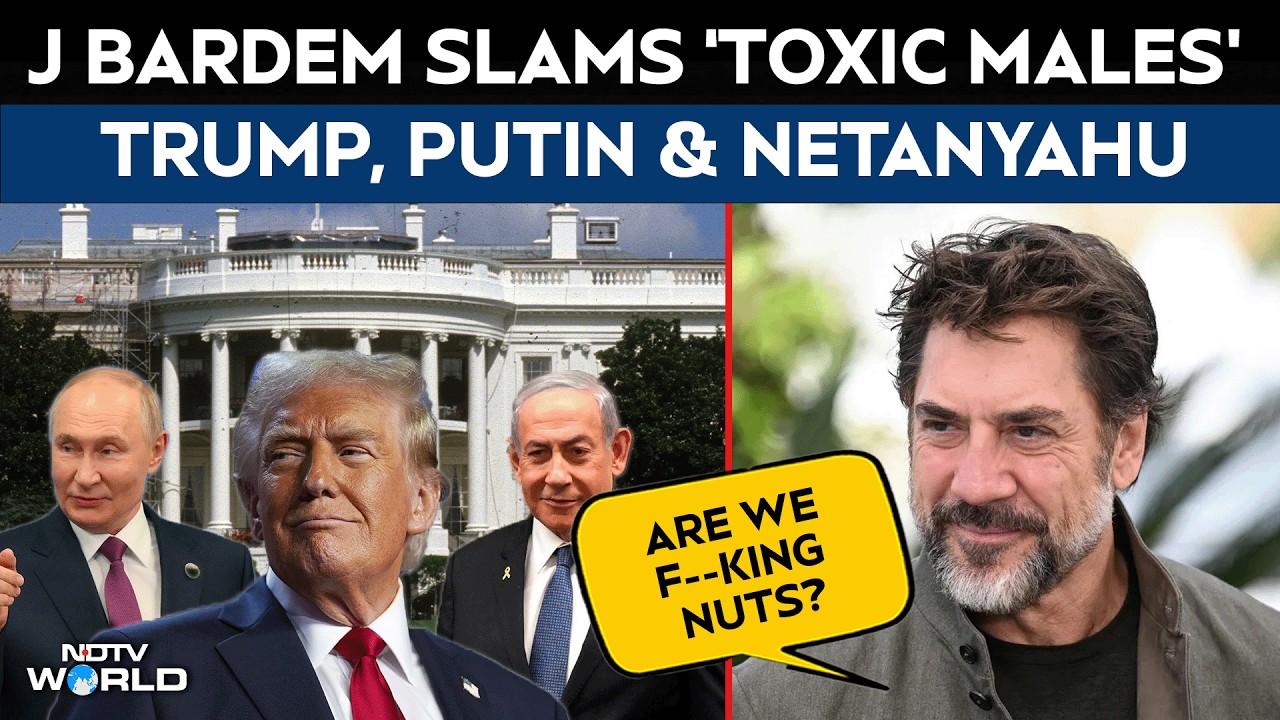
At the 2026 Cannes Film Festival, actor Javier Bardem criticized toxic masculinity, linking it to both domestic violence in Spain and global conflicts involving leaders like Donald Trump, Vladimir Putin, and Benjamin Netanyahu. Promoting his film The Beloved, Bardem highlighted aggressive male behavior as a root cause of violence and war, emphasizing the need for greater awareness and change. He also discussed risks of speaking out and ongoing industry challenges related to these issues.
First-hand measurement across 11 sources
We measured how 11 outlets covered this story. Coverage leans left-leaning overall (Left 59%, Centre 37%, Right 4%). Overall sentiment is neutral (45/100). Lens Score 28/100 — low public interest.
Outlets analysed (first-hand measurement by TBN's Bias Engine):
- news18— left-leaning framing, neutral sentiment
- hindustantimes— left-leaning framing, neutral sentiment
- wion— left-leaning framing, negative sentiment
- timesnow— balanced framing, neutral sentiment
- ndtv— left-leaning framing, negative sentiment
- news18— left-leaning framing, neutral sentiment
- mint— left-leaning framing, neutral sentiment
- moneycontrol— left-leaning framing, neutral sentiment
AI Analysis
The articles present Bardem's critique of political leaders Trump, Putin, and Netanyahu within a broader discussion of toxic masculinity and violence. Coverage includes Bardem's perspectives without endorsing or opposing his views, reflecting a focus on his statements rather than political analysis. The sources represent Bardem's outspoken stance on social and political issues, including criticism of certain leaders, while also noting his career context.
The overall tone is critical of toxic masculinity and its consequences, as expressed by Bardem, but remains measured and factual. The coverage balances Bardem's strong language with contextual information about his film and personal reflections, resulting in a serious yet neutral sentiment. There is no sensationalism, and the articles maintain a professional tone focused on raising awareness rather than emotional appeal.