Evolving Portrayals of Women and Matriarchal Power in Indian Media and Society
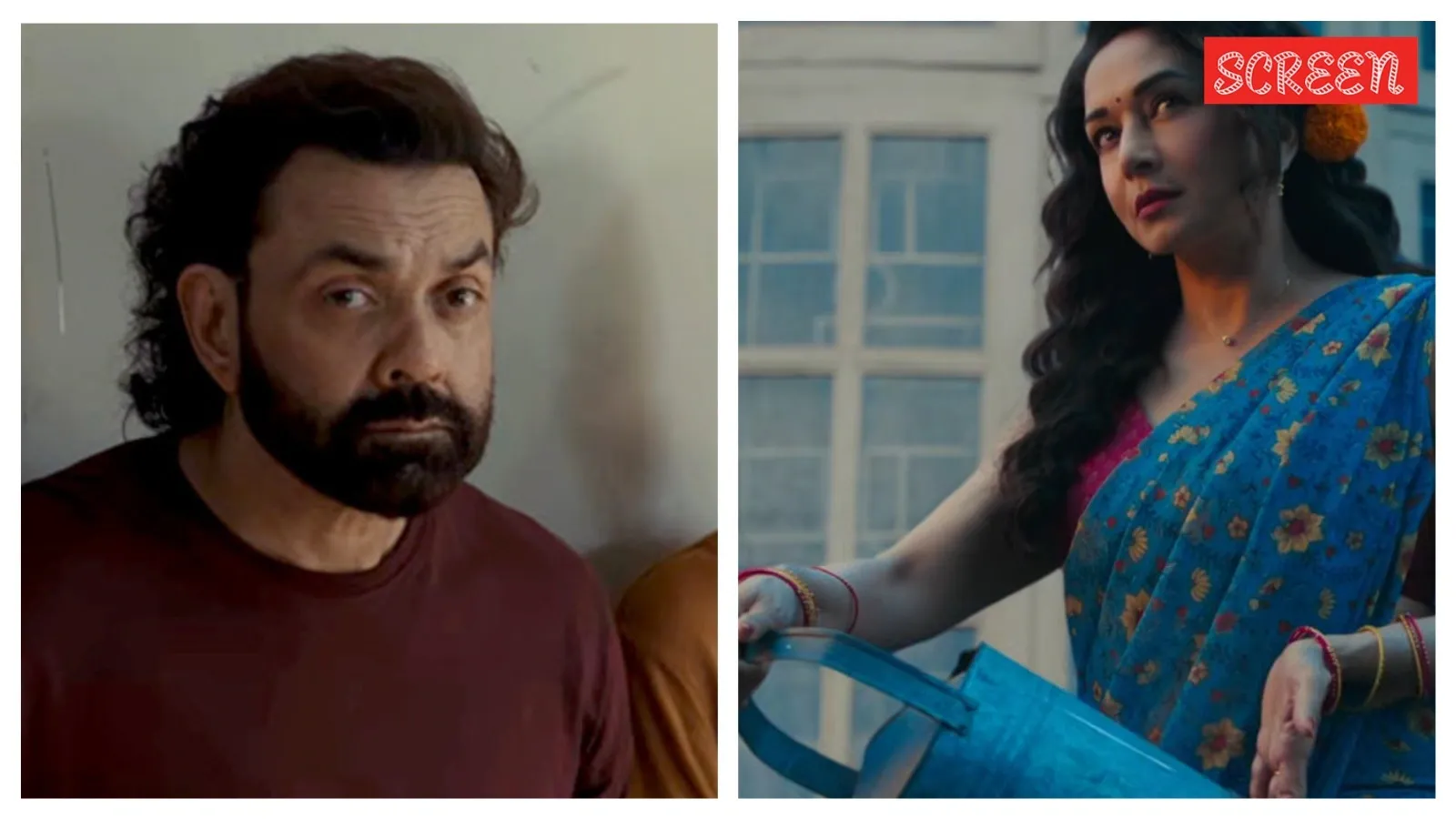
The articles explore evolving portrayals of women in Indian media and society. 'Maa Behen,' a Netflix film, challenges traditional stereotypes by depicting flawed, multi-generational women confronting societal judgment and patriarchy within a local colony. Meanwhile, Indian culture's archetype of the 'saas' (mother-in-law) villain has shifted from emotional domestic control to a modern, educated, legally savvy figure wielding social and institutional power, exemplified by Giribala Singh. These narratives reflect changing gender dynamics and societal expectations.
First-hand measurement across 3 sources
We measured how 3 outlets covered this story. Coverage leans balanced overall (Left 27%, Centre 71%, Right 2%). Overall sentiment is neutral (52/100). Lens Score 20/100 — low public interest.
Outlets analysed (first-hand measurement by TBN's Bias Engine):
- indianexpress— left-leaning framing, neutral sentiment
- mint— balanced framing, positive sentiment
- thetribune— balanced framing, neutral sentiment
AI Analysis
The article group presents perspectives highlighting gender roles and societal power structures without explicit political alignment. Coverage includes cultural critiques of patriarchy and social judgment, focusing on media representations and societal archetypes. Sources emphasize social and cultural analysis rather than partisan viewpoints, reflecting broader discussions on gender and power in India.
The overall tone is analytical and reflective, combining critical examination of traditional gender stereotypes with recognition of emerging complex female characters. The sentiment is mixed but constructive, acknowledging challenges women face while highlighting nuanced portrayals that subvert conventional narratives. There is no overtly positive or negative bias, maintaining a balanced and thoughtful approach.