Farm News in India: The Most Consequential, Most Misunderstood Beat
Agriculture employs over 42% of India's workforce and contributes roughly 18% of GDP. These two numbers alone — the gap between the share of people who depend on farming and the share of wealth it generates — define the central tension in Indian agricultural policy. Yet agriculture news in mainstream Indian media is episodic at best: it surfaces during monsoon failures, farmer protests, or MSP announcements, then disappears until the next crisis.
The 2020-21 farm law protests exposed the severity of this coverage gap. For decades, agricultural distress — farmer suicides, water table depletion, input cost inflation, market access barriers — received minimal sustained attention in English-language media. When the protests erupted, urban India was confronted with agricultural realities that rural Indians had been living with for years. Media coverage then split along predictable political lines: pro-government outlets framed the laws as reformist and the protesters as misguided, while opposition-aligned media portrayed the laws as corporate capture and the protesters as saviours of Indian agriculture.
The MSP Misinformation Cycle
Minimum Support Price (MSP) reporting is a masterclass in how Indian media confuses rather than clarifies. Each year when the government announces MSP hikes, the headline numbers — "MSP raised by 7%" — tell an incomplete story. The critical questions are whether procurement actually happens at MSP, how many crops the government effectively procures (primarily wheat and rice, not the 23 crops for which MSP is declared), and whether the cost calculation uses A2+FL or C2 methodology. These details determine whether an MSP announcement is meaningful or symbolic, but most outlets lack the agricultural economics expertise to report them accurately.
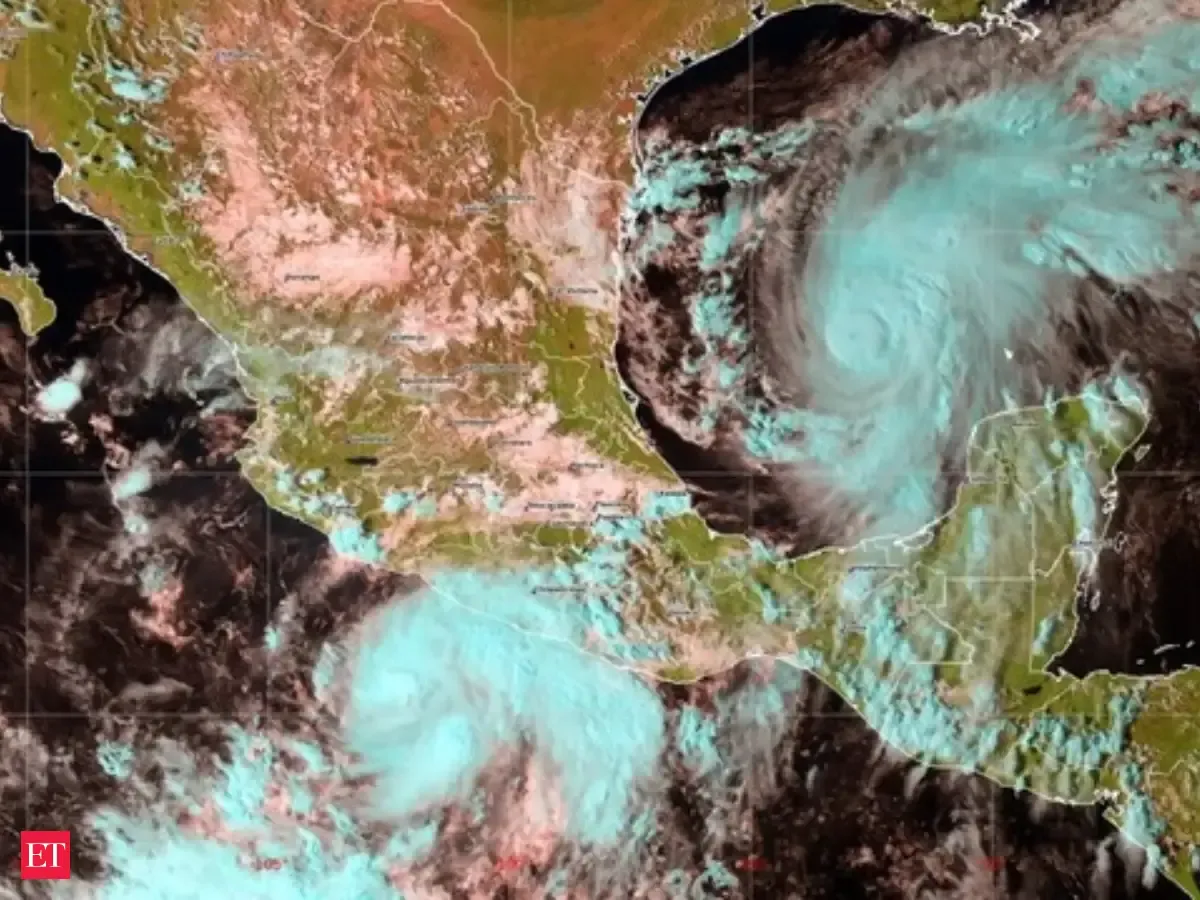
Weather and climate reporting adds another challenge. Indian agriculture remains heavily monsoon-dependent, yet media coverage of rainfall patterns is crude — "good monsoon expected" versus "drought fears" — without the district-level granularity that farmers actually need. A "normal" national monsoon can conceal devastating regional deficits.
What This Feed Covers
- MSP and procurement: Announcements, actual procurement data, state-wise trends
- Agricultural policy: PM-KISAN, crop insurance, farm credit, market reforms
- Weather and climate: Monsoon updates, unseasonal rainfall, drought and flood impacts
- Commodity markets: Mandi prices, export-import policy, storage and logistics
- Farmer welfare: Loan waivers, compensation schemes, distress migration reports
The Kisan Samachar feed aggregates farm-focused publications, Hindi and regional language media, and national outlets to provide coverage that reflects the actual complexity of Indian agriculture — not just the political controversies.