2 hours agoGeneric
29LENS
3 SourcesIran
 thebalanced.news
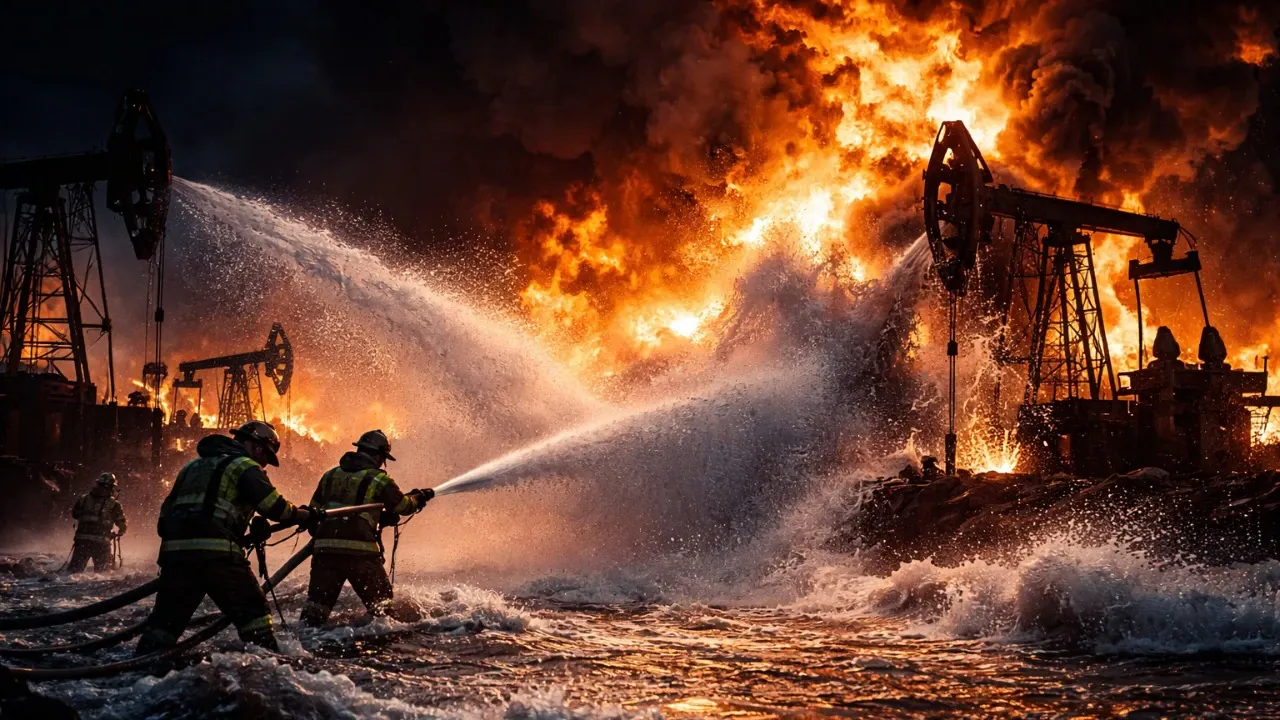
Middle East Conflict Causes Fires at Key Oil and Gas Facilities Amid Rising Tensions
The escalating conflict involving the US, Israel, and Iran has severely impacted key oil and gas infrastructure across the Middle East, including facilities in Qatar, Saudi Arabia, the UAE, and Iran. Attacks have caused intense fires fueled by high-pressure hydrocarbons, posing significant challenges for firefighting efforts and raising concerns over environmental and economic risks. Historical parallels are drawn with the 1991 Kuwaiti oil fires, which caused widespread pollution and took months to extinguish, highlighting the potential long-term consequences of current hostilities on global energy security.
Political Bias
0%100%0%
Sentiment
37%
20 stories available
View AI Analysis
Bias Analysis: The articles present multiple perspectives focusing on the US, Israel, and Iran's roles in the ongoing conflict, emphasizing the impact on energy infrastructure without assigning blame. Coverage includes official reports of attacks from all sides and references to historical events, maintaining a neutral stance by highlighting the technical and environmental challenges rather than political motivations.
Sentiment: The overall tone is serious and cautionary, reflecting concern over the escalating conflict's impact on critical energy infrastructure and global markets. While the articles describe destructive events and environmental risks, the sentiment remains factual and measured, avoiding sensationalism and focusing on the technical difficulties of firefighting and the broader implications for energy security.
Lens Score: 29/100 — Story is well-covered by media outlets. Public interest: 0/100. Coverage gap: 90%.
Related Coverage
Select a news story to see related coverage from other media outlets.