18 hours agoGeneric
30LENS
1 SourcesNew Jersey, United States
 thebalanced.news
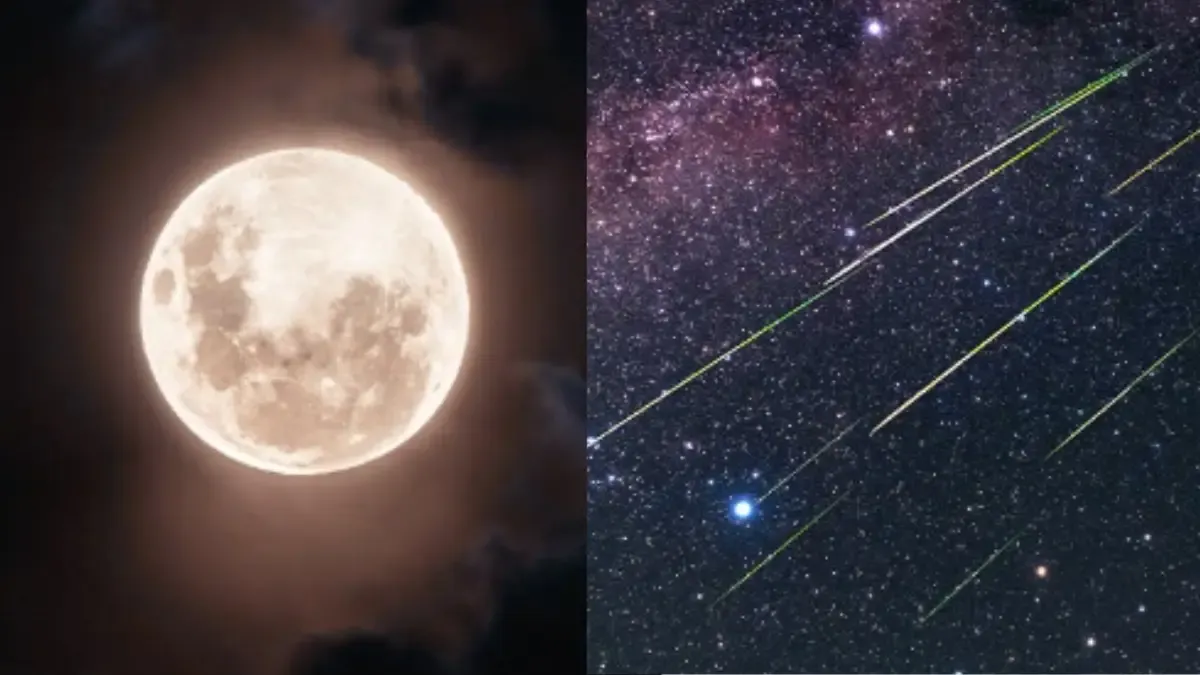
Supermoon and Quadrantid Meteor Shower to Coincide, Affecting Visibility
The year's first supermoon and the Quadrantid meteor shower are set to coincide, potentially diminishing the visibility of the meteors. While the Quadrantids typically offer about 25 meteors per hour in dark skies, the supermoon's brightness is expected to reduce this to fewer than 10 per hour. Supermoons occur when a full moon is closer to Earth, appearing larger and brighter. The meteor shower is primarily visible from the Northern Hemisphere, and both events can be viewed without special equipment, though dark, clear conditions are recommended.
Political Bias
33%34%33%
Sentiment
55%
Related Coverage
Select a news story to see related coverage from other media outlets.