India Faces Monsoon Deficit and Expanding Drought Impacting Kharif Crop Sowing
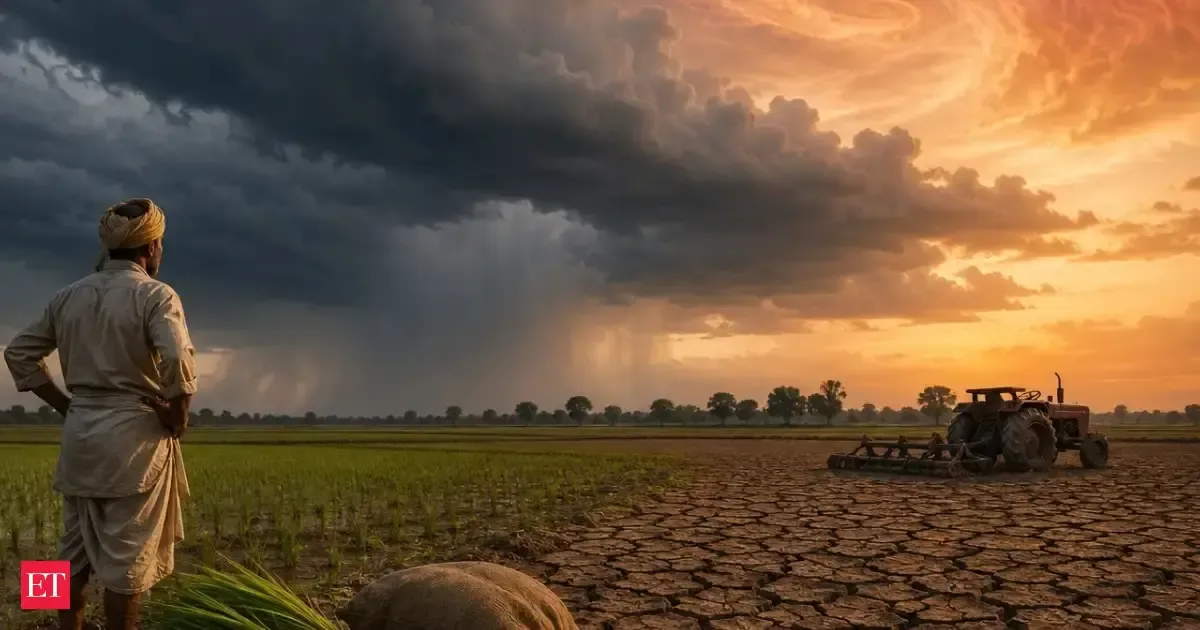
India's 2026 monsoon season has started with a significant rainfall deficit, about 38-40% below average, leading to delayed sowing of key kharif crops like rice and oilseeds, especially in central and eastern regions. Drought conditions have expanded across central, eastern, northeastern India, and parts of western Maharashtra, raising concerns over agricultural output and food inflation. Authorities are monitoring the situation and implementing contingency plans to support farmers amid these challenges.
First-hand measurement across 15 sources
We measured how 15 outlets covered this story. Coverage leans balanced overall (Left 7%, Centre 90%, Right 3%). Overall sentiment is neutral (35/100). Lens Score 33/100 — low public interest.
Outlets analysed (first-hand measurement by TBN's Bias Engine):
- ndtv— balanced framing, negative sentiment
- economictimes— balanced framing, neutral sentiment
- ndtv— balanced framing, neutral sentiment
- thefinancialexpress— balanced framing, neutral sentiment
- indiatoday— balanced framing, neutral sentiment
- thehindu— balanced framing, neutral sentiment
- scrollin— balanced framing, neutral sentiment
- economictimes— balanced framing, neutral sentiment
AI Analysis
The articles collectively present a factual overview of the monsoon deficit and its agricultural impact without evident political framing. They include government data and expert analysis, reflecting official and scientific perspectives. The coverage focuses on the challenges faced by farmers and authorities' responses, avoiding partisan interpretations or blame attribution.
The overall tone across the articles is cautious and concerned, highlighting the negative effects of below-average rainfall and drought on crop sowing and the farm economy. While the situation is serious, the coverage remains measured, emphasizing ongoing monitoring and mitigation efforts rather than alarm or optimism.
How 15 sources covered this story
Each source's own headline, political lean, and sentiment — so you can see framing differences at a glance.