Extreme Summer Heat Impacts Blood Pressure and Heart Health Risks
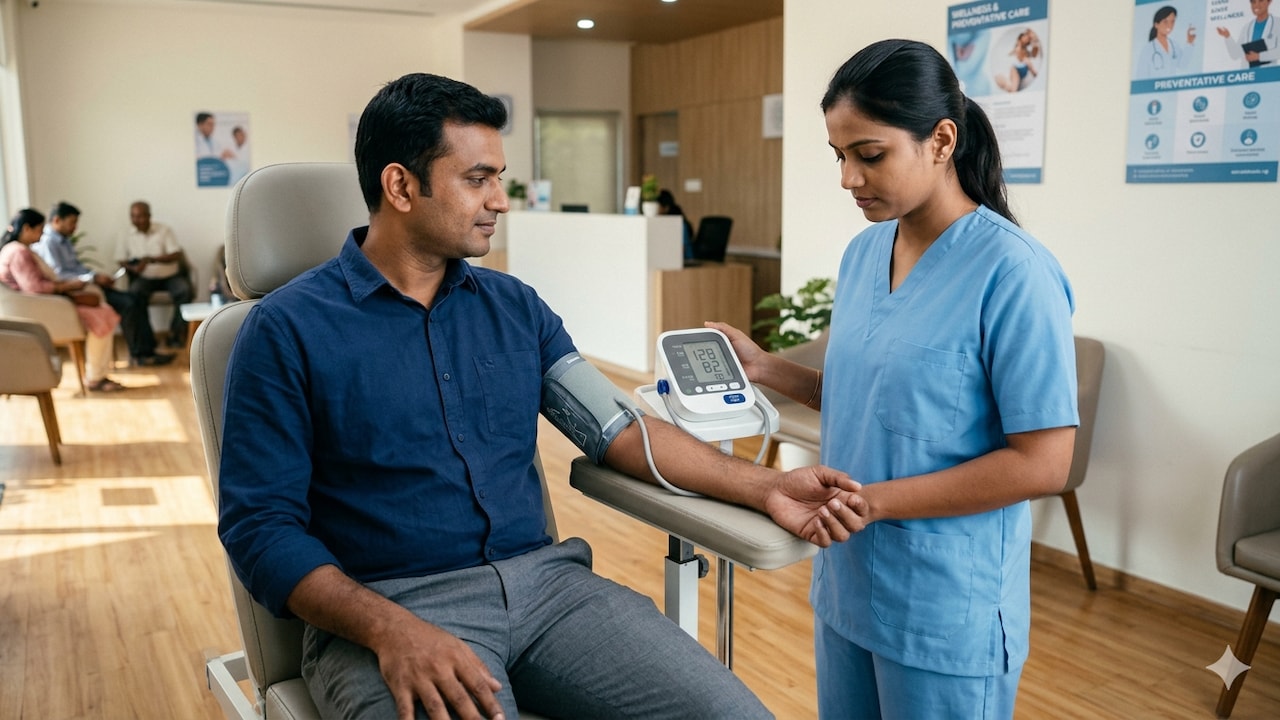
Extreme summer heat affects blood pressure and heart health by causing blood vessels to dilate and increasing heart workload. Heat can lower blood pressure through fluid loss and vessel dilation, leading to dizziness or fainting, especially in the elderly or those on blood pressure medications. Prolonged heat and dehydration may also raise cardiovascular risks, particularly for individuals with pre-existing conditions like hypertension or heart disease. Staying hydrated and avoiding excessive heat exposure are advised to reduce health risks.
First-hand measurement across 2 sources
We measured how 2 outlets covered this story. Coverage leans balanced overall (Left 0%, Centre 100%, Right 0%). Overall sentiment is neutral (55/100). Lens Score 28/100 — low public interest.
Outlets analysed (first-hand measurement by TBN's Bias Engine):
- english— balanced framing, neutral sentiment
- ndtv— balanced framing, neutral sentiment
AI Analysis
The articles present health information without political framing, focusing on medical and public health perspectives. They include viewpoints from healthcare professionals and public health warnings, emphasizing physiological effects of heat on cardiovascular health. There is no evident political bias, as the coverage centers on health advice and scientific explanations relevant to the general population.
The overall tone is cautionary and informative, highlighting potential health risks from extreme heat while advising preventive measures. The sentiment is neutral to mildly concerned, aiming to raise awareness without sensationalism. Both articles emphasize the importance of hydration and monitoring symptoms, reflecting a balanced approach to public health communication.
How 2 sources covered this story
Each source's own headline, political lean, and sentiment — so you can see framing differences at a glance.