Research Explores How Cats Form Emotional Bonds and Express Loyalty Differently
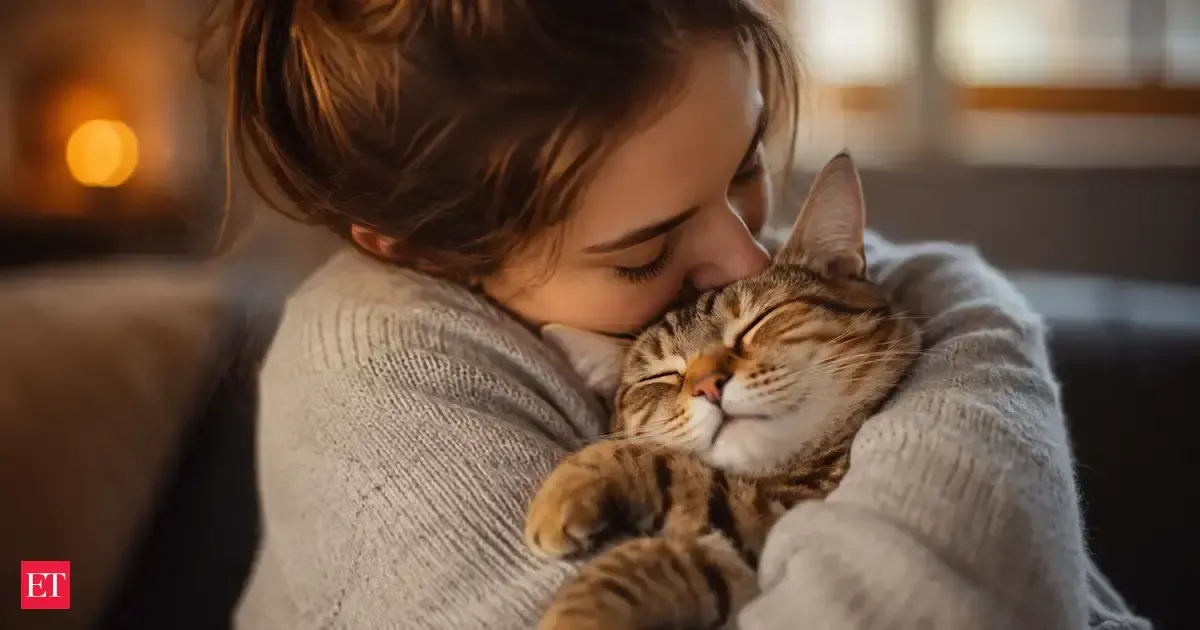
Recent research challenges the stereotype that cats are aloof and questions whether their behaviors indicate loyalty or survival-based bonds. Studies show cats form secure attachments with owners through trust, routine, and shared experiences, expressing affection differently than dogs. While cats maintain personal boundaries and may appear distant, their actions often reflect emotional connections shaped by memory and comfort rather than overt displays of affection. Understanding feline loyalty involves recognizing these subtle, species-specific expressions.
First-hand measurement across 2 sources
We measured how 2 outlets covered this story. Coverage leans balanced overall (Left 0%, Centre 100%, Right 0%). Overall sentiment is positive (70/100). Lens Score 22/100 — low public interest.
Outlets analysed (first-hand measurement by TBN's Bias Engine):
- economictimes— balanced framing, neutral sentiment
- economictimes— balanced framing, positive sentiment
AI Analysis
The article group presents a scientific and behavioral perspective on feline loyalty without political framing. It includes viewpoints from animal behavior experts and pet owners, focusing on understanding cat-human relationships. The coverage is neutral, emphasizing research findings and common pet owner experiences without aligning with any political ideology or agenda.
The overall tone is informative and balanced, combining curiosity with respect for feline behavior. The articles neither romanticize nor dismiss cats' emotional capacities but present a nuanced view that acknowledges both affectionate and survival-driven aspects of cat behavior. This results in a mixed but generally positive sentiment toward understanding cats more deeply.
How 2 sources covered this story
Each source's own headline, political lean, and sentiment — so you can see framing differences at a glance.