Skip to content
Get the Balanced News app for a better experience!
The Balanced News Logo
Analytics
The Balanced News Logo

Stay Balanced, Stay Informed

Menu
  • Browse News
  • Underreported Stories
  • Curated Feeds
  • Insights
  • Analytics
  • Our Writers
  • About Us
  • Download App
Learn
  • How It Works
  • Bias Detection
  • Lens Score
  • Source Bias Checker
  • Accountability
  • Custom Feeds
Newsroom
  • Writers & Analysts
  • About TBN
  • Editorial Standards
  • Corrections Policy
  • Our Partners
  • Insights
Socials
  • Youtube
  • Instagram
  • X
  • Facebook
News Categories
  • Trending
  • Politics
  • Sports
  • Business
  • Tech
  • Entertainment
  • Health
  • Science
  • Crime
  • Lifestyle
  • National
  • International
  • Good News
  • Crypto

Get Our App

Available for iOS and Android


LensFeedsInsightsAnalyticsTrendingGood NewsSportsPoliticsBusinessCrimeTechEntertainmentHealthNationalInternational

© 2026 The Balanced News. All rights reserved.

About UsEditorial StandardsCorrectionsHelp & SupportPrivacy PolicyTerms & Conditions
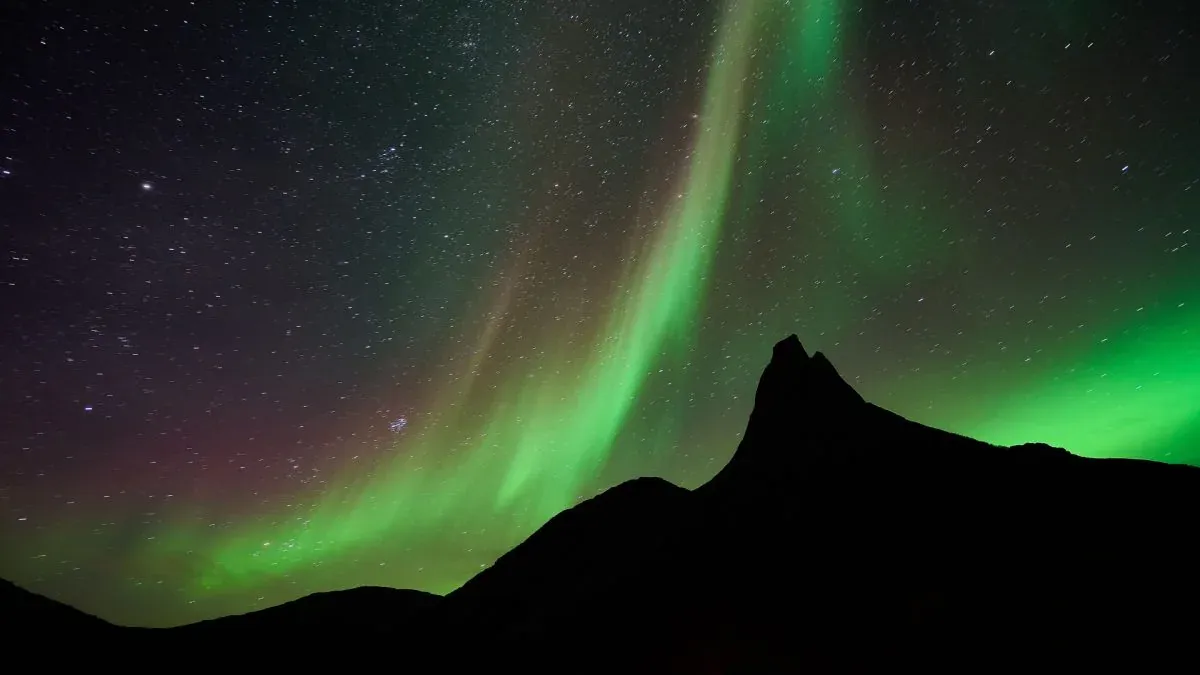
Solar Flare Expected to Bring Northern Lights to Parts of North America October 8-9
Categories

Categories

Related Coverage

Select a news story to see related coverage from other media outlets.

Related Coverage

Select a news story to see related coverage from other media outlets.

  1. Home
  2. /
  3. Lifestyle

Solar Flare Expected to Bring Northern Lights to Parts of North America October 8-9

Analysed 8 Oct 2026·2 sources analysed·Idaho, United States·Lifestyle
Solar Flare Expected to Bring Northern Lights to Parts of North America October 8-9PreviousNext

A solar flare from October 6 is triggering geomagnetic storms expected to bring the Northern Lights across parts of North America on October 8-9. NOAA forecasts G1 to G2 storm conditions, with visibility likely in Canadian provinces and northern U.S. states such as Alaska, Washington, and Minnesota. If the storm intensifies, auroras could be seen farther south, including New York and Idaho. However, the display's strength depends on the magnetic orientation of the solar cloud and local conditions like cloud cover and light pollution.

Sentiment
64%
TBN's observations

First-hand measurement across 2 sources

We measured how 2 outlets covered this story. No outlet gave this story a measurable political slant — there is no left–right reading to report. Overall sentiment is positive (64/100). Lens Score 34/100.

Outlets measured: firstpost, economictimes. See how each one headlined and framed the same story in the source comparison below.

AI analysis of 2 sources · Published under editorial oversight by The Balanced News
Analysed 8 Oct 2026· How this analysis is produced· Editorial standards· Corrections

AI Analysis

Sentiment — Positive (64/100)

Sentiment was consistent across outlets (52–75/100), indicating broadly factual reporting rather than editorialising.

Coverage timeline

economictimes broke this story on 7 Oct, 10:31 am. Other outlets followed.

7 Oct, 10:31 am2 sources · 21 h8 Oct, 07:05 am
AI analysis by the TBN Bias Engine · beat methodology byAniket Awate· Culture & Digital Media Writer· editorial standards byOjas Kale
← Previous
Navratri Garba Fashion Blends Tradition with Contemporary Trends in 2024
Next →
Navratri 2026: Cultural Celebrations and Economic Impact in Delhi-NCR and Gujarat
1
economictimes7 Oct, 10:31 am
Aurora Borealis alert: Northern Lights could reach New York and Idaho, but one Solar detail will decide the show
  • 2
    firstpost8 Oct, 07:05 am
    Where to watch tonight's northern lights across the U.S. and Canada, and how your phone can help
  • Who's involved

    Institutions and figures named across source coverage.

    Government
    National Oceanic and Atmospheric Administration Space Weather Prediction CenterNational Oceanic and Atmospheric Administration Space Weather Prediction Centre

    Story context

    Category
    Lifestyle
    Location
    Idaho, United States
    Sources analysed
    2
    Last analysed
    8 Oct 2026
    Key entities
    Geomagnetic stormSolar flareAuroraCanadaEarth's magnetic fieldNational Oceanic and Atmospheric AdministrationNew York (state)Coronal mass ejectionAlaskaHorizonLight pollutionSpace weather