Skip to content
Get the Balanced News app for a better experience!
The Balanced News Logo
Analytics
The Balanced News Logo

Stay Balanced, Stay Informed

Menu
  • Browse News
  • Underreported Stories
  • Curated Feeds
  • Insights
  • Analytics
  • Our Writers
  • About Us
  • Download App
Learn
  • How It Works
  • Bias Detection
  • Lens Score
  • Source Bias Checker
  • Accountability
  • Custom Feeds
Newsroom
  • Writers & Analysts
  • About TBN
  • Editorial Standards
  • Corrections Policy
  • Our Partners
  • Insights
Socials
  • Youtube
  • Instagram
  • X
  • Facebook
News Categories
  • Trending
  • Politics
  • Sports
  • Business
  • Tech
  • Entertainment
  • Health
  • Science
  • Crime
  • Lifestyle
  • National
  • International
  • Good News
  • Crypto

Get Our App

Available for iOS and Android


LensFeedsInsightsAnalyticsTrendingGood NewsSportsPoliticsBusinessCrimeTechEntertainmentHealthNationalInternational

© 2026 The Balanced News. All rights reserved.

About UsEditorial StandardsCorrectionsHelp & SupportPrivacy PolicyTerms & Conditions
FDA Issues Warnings on Rare Vision Loss Risk from GLP-1 Weight Loss Drugs
Categories

Categories

Related Coverage

Select a news story to see related coverage from other media outlets.

Related Coverage

Select a news story to see related coverage from other media outlets.

  1. Home
  2. /
  3. Lifestyle

FDA Issues Warnings on Rare Vision Loss Risk from GLP-1 Weight Loss Drugs

Analysed 12 Nov 2026·2 sources analysed·India·Lifestyle
FDA Issues Warnings on Rare Vision Loss Risk from GLP-1 Weight Loss DrugsPreviousNext

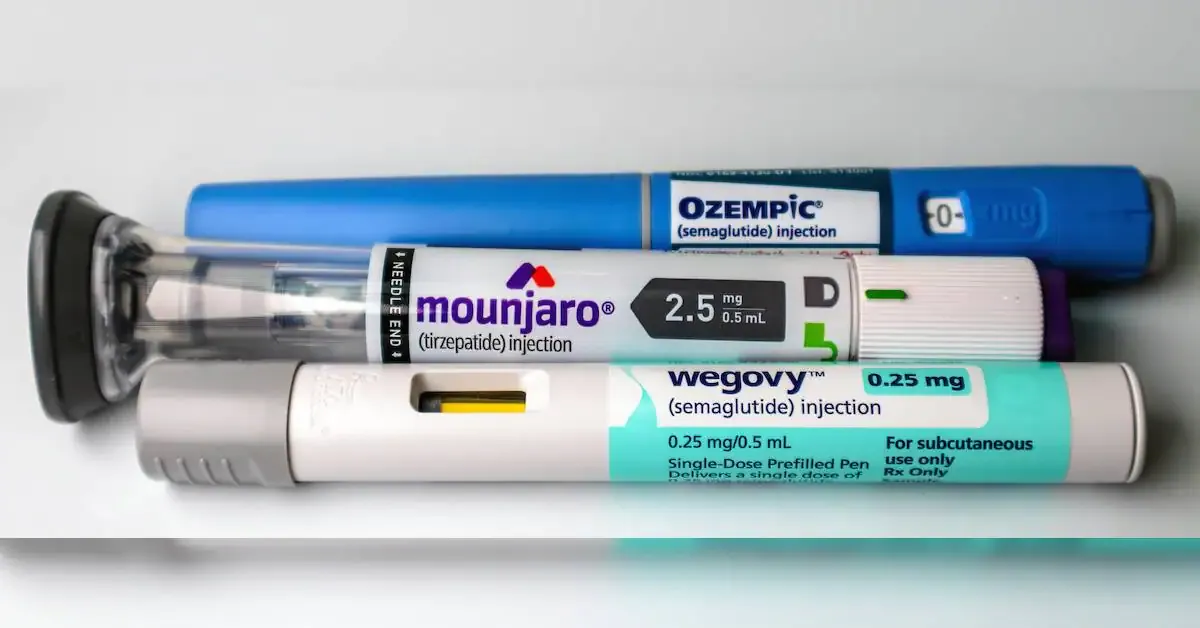
The US FDA has issued new safety warnings for certain GLP-1 weight loss and diabetes drugs, including Ozempic and Wegovy, about a rare eye condition called Non-Arteritic Anterior Ischaemic Optic Neuropathy (NAION). This condition can cause sudden, painless vision loss in one eye, potentially leading to permanent damage. While the FDA's review found a slight increase in NAION cases among users, it did not establish a direct causal link. Experts advise patients not to stop medication without consulting healthcare providers.

Sentiment
49%
TBN's observations

First-hand measurement across 2 sources

We measured how 2 outlets covered this story. No outlet gave this story a measurable political slant — there is no left–right reading to report. Overall sentiment is neutral (49/100). Lens Score 49/100.

Outlets measured: businessstandard, english. See how each one headlined and framed the same story in the source comparison below.

AI analysis of 2 sources · Published under editorial oversight by The Balanced News
Analysed 12 Nov 2026· How this analysis is produced· Editorial standards· Corrections

AI Analysis

Sentiment — Neutral (49/100)

Sentiment was consistent across outlets (48–50/100), indicating broadly factual reporting rather than editorialising.

Coverage timeline

english broke this story on 12 Nov, 06:37 am. Other outlets followed.

12 Nov, 06:37 am2 sources · 3 h12 Nov, 10:02 am
  1. 1
AI analysis by the TBN Bias Engine · beat methodology byAniket Awate· Culture & Digital Media Writer· editorial standards byOjas Kale
← Previous
Experts Explain Factors Affecting Blood Sugar and Diabetes Management
Next →
Key Ingredients and Routine for Effective Winter Skincare Moisturisation
english12 Nov, 06:37 am
Weight Loss Drugs May Increase Risk Of Permanent Vision Loss, FDA Raises Concern
  • 2
    businessstandard12 Nov, 10:02 am
    US FDA flags blindness risk from GLP-1 drugs: What patients should know
  • Who's involved

    Institutions and figures named across source coverage.

    Government
    United States Food and Drug AdministrationEuropean Medicines AgencyWorld Health Organization

    Story context

    Category
    Lifestyle
    Location
    India
    Sources analysed
    2
    Last analysed
    12 Nov 2026
    Key entities
    SemaglutideMedicationGlucagon-like peptide-1Visual impairmentFood and Drug AdministrationPeripheral neuropathyType 2 diabetesObesityClinical trialDiabetesOptic nerveWeight loss