Urban Indian Neighborhoods Transform Through Food, Culture, and Commerce
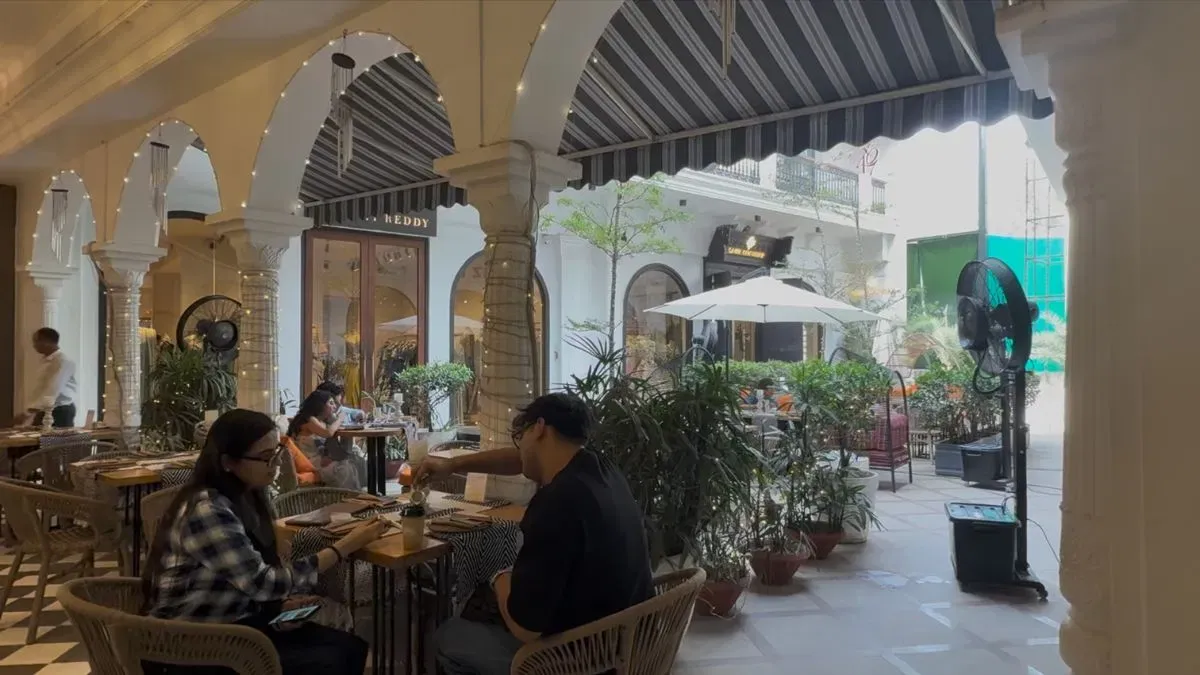
Urban neighborhoods in India are undergoing significant cultural and commercial transformations. Mehrauli in Delhi has evolved from a historic area into a luxury shopping and nightlife hub attracting elites. Similarly, residential areas like Noida's Sector 104 and parts of Bengaluru and Hyderabad have become prominent food destinations, reflecting a broader trend of 'gastronomification' reshaping urban spaces. These changes highlight shifts in lifestyle, commerce, and cultural identity within Indian cities.
First-hand measurement across 4 sources
We measured how 4 outlets covered this story. Coverage leans balanced overall (Left 2%, Centre 97%, Right 1%). Overall sentiment is neutral (65/100). Lens Score 24/100 — low public interest.
Outlets analysed (first-hand measurement by TBN's Bias Engine):
- hindustantimes— balanced framing, neutral sentiment
- hindustantimes— balanced framing, neutral sentiment
- theprint— balanced framing, positive sentiment
- mint— balanced framing, positive sentiment
AI Analysis
The articles collectively present a largely neutral perspective focusing on urban development and cultural shifts without explicit political framing. They include viewpoints from urban planners, local businesses, and cultural historians, emphasizing social and economic changes rather than political debates. The coverage avoids partisan positions, instead highlighting evolving urban lifestyles and commercial trends.
The overall tone across the articles is generally positive or neutral, celebrating urban renewal, cultural heritage, and the rise of new social spaces. While some concerns about rapid commercialization are noted, the sentiment emphasizes opportunity, vibrancy, and evolving identities in Indian cities. There is little negative or critical sentiment, focusing instead on descriptive accounts of change.