Skip to content
Get the Balanced News app for a better experience!
The Balanced News Logo
Analytics
The Balanced News Logo

Stay Balanced, Stay Informed

Menu
  • Browse News
  • Underreported Stories
  • Curated Feeds
  • Insights
  • Analytics
  • Our Writers
  • About Us
  • Download App
Learn
  • How It Works
  • Bias Detection
  • Lens Score
  • Source Bias Checker
  • Accountability
  • Custom Feeds
Newsroom
  • Writers & Analysts
  • About TBN
  • Editorial Standards
  • Corrections Policy
  • Our Partners
  • Insights
Socials
  • Youtube
  • Instagram
  • X
  • Facebook
News Categories
  • Trending
  • Politics
  • Sports
  • Business
  • Tech
  • Entertainment
  • Health
  • Science
  • Crime
  • Lifestyle
  • National
  • International
  • Good News
  • Crypto

Get Our App

Available for iOS and Android


LensFeedsInsightsAnalyticsTrendingGood NewsSportsPoliticsBusinessCrimeTechEntertainmentHealthNationalInternational

© 2026 The Balanced News. All rights reserved.

About UsEditorial StandardsCorrectionsHelp & SupportPrivacy PolicyTerms & Conditions
Exploring Dark Sky Reserves: Preserving Natural Night Skies Worldwide
Categories

Categories

Related Coverage

Select a news story to see related coverage from other media outlets.

Related Coverage

Select a news story to see related coverage from other media outlets.

  1. Home
  2. /
  3. Lifestyle

Exploring Dark Sky Reserves: Preserving Natural Night Skies Worldwide

Analysed 29 Nov 2026·2 sources analysed·South Island, New Zealand·Lifestyle
Exploring Dark Sky Reserves: Preserving Natural Night Skies WorldwidePreviousNext

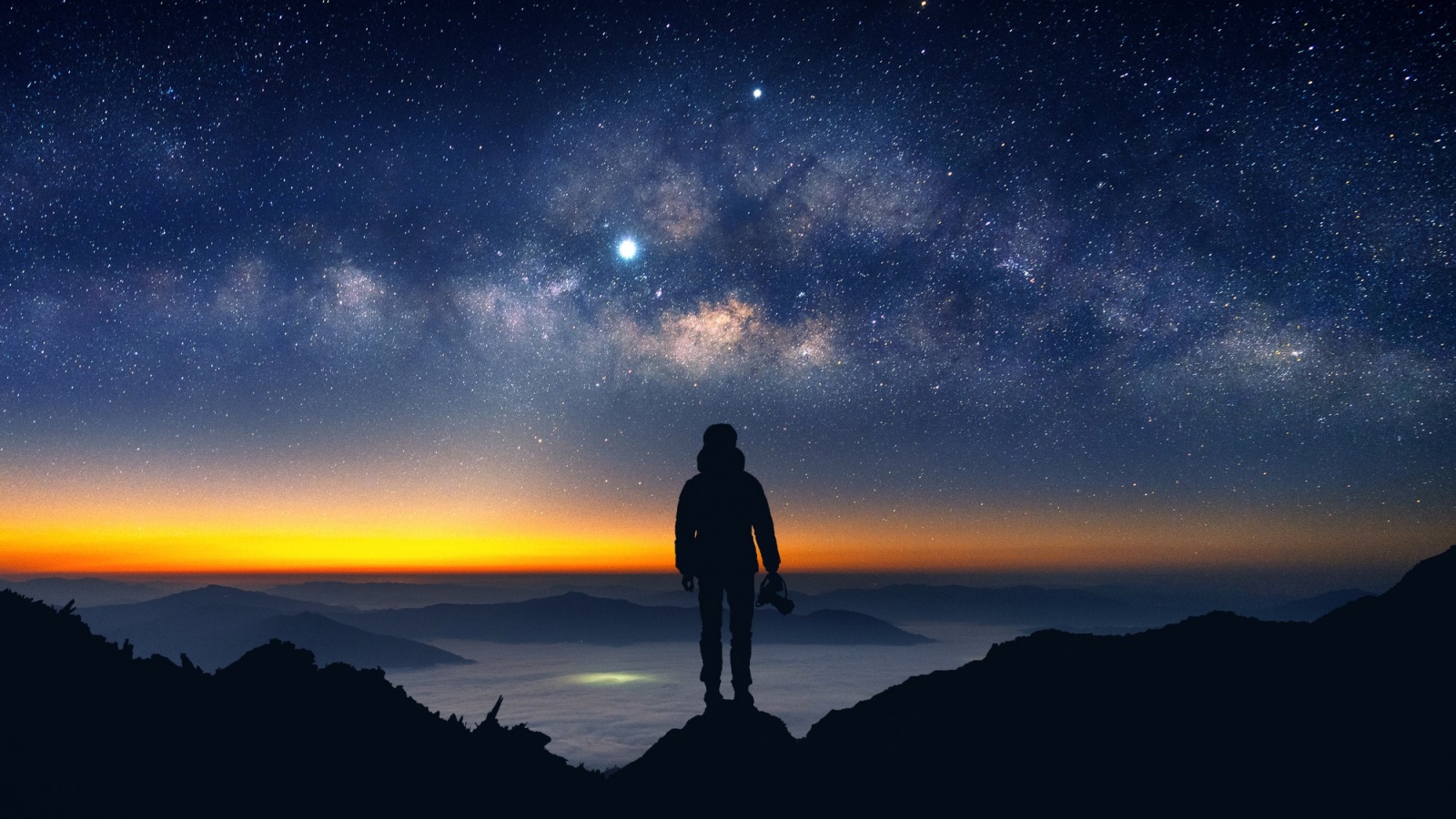
Dark sky reserves and parks offer unique opportunities to experience natural night skies free from light pollution. Utah pioneered this movement with the world's first International Dark Sky Park in 2007, preserving its dark landscapes for stargazing and ecological benefits. Globally, protected areas like New Zealand's Aoraki Mackenzie, Namibia's NamibRand, and Ireland's Kerry Reserve also promote astronomy, wildlife conservation, and tourism by maintaining clear, star-filled skies away from urban illumination.

Sentiment
75%
TBN's observations

First-hand measurement across 2 sources

We measured how 2 outlets covered this story. No outlet gave this story a measurable political slant — there is no left–right reading to report. Overall sentiment is positive (75/100). Lens Score 37/100.

Outlets measured: indianexpress, freepressjournal. See how each one headlined and framed the same story in the source comparison below.

AI analysis of 2 sources · Published under editorial oversight by The Balanced News
Analysed 29 Nov 2026· How this analysis is produced· Editorial standards· Corrections

AI Analysis

Sentiment — Positive (75/100)

Sentiment was consistent across outlets (75–75/100), indicating broadly factual reporting rather than editorialising.

Coverage timeline

freepressjournal broke this story on 29 Nov, 02:07 am. Other outlets followed.

29 Nov, 02:07 am2 sources · 15 h29 Nov, 05:32 pm
  1. 1
AI analysis by the TBN Bias Engine · beat methodology byAniket Awate· Culture & Digital Media Writer· editorial standards byOjas Kale
← Previous
Bigg Boss's Nagma Mirajkar Undergoes Surgery to Remove Uterine Fibroids, Shares Recovery Update
Next →
Indian Student Details Monthly Living Expenses in Madison, Wisconsin, US
freepressjournal29 Nov, 02:07 am
Did You Know Darkness Is Utah's Biggest Attraction? Explore Its Magical Night Skies
  • 2
    indianexpress29 Nov, 05:32 pm
    5 dark sky reserves around the world worth exploring
  • Who's involved

    Institutions and figures named across source coverage.

    Government
    United States National Park Service

    Story context

    Category
    Lifestyle
    Location
    South Island, New Zealand
    Sources analysed
    2
    Last analysed
    29 Nov 2026
    Key entities
    Amateur astronomyNight skyLightingInternational Dark-Sky AssociationLight pollutionMilky WayUtahDark-sky movementSandstoneCliffWildernessNaked eye