Skip to content
Get the Balanced News app for a better experience!
The Balanced News Logo
Analytics
The Balanced News Logo

Stay Balanced, Stay Informed

Menu
  • Browse News
  • Underreported Stories
  • Curated Feeds
  • Insights
  • Analytics
  • Our Writers
  • About Us
  • Download App
Learn
  • How It Works
  • Bias Detection
  • Lens Score
  • Source Bias Checker
  • Accountability
  • Custom Feeds
Newsroom
  • Writers & Analysts
  • About TBN
  • Editorial Standards
  • Corrections Policy
  • Our Partners
  • Insights
Socials
  • Youtube
  • Instagram
  • X
  • Facebook
News Categories
  • Trending
  • Politics
  • Sports
  • Business
  • Tech
  • Entertainment
  • Health
  • Science
  • Crime
  • Lifestyle
  • National
  • International
  • Good News
  • Crypto

Get Our App

Available for iOS and Android


LensFeedsInsightsAnalyticsTrendingGood NewsSportsPoliticsBusinessCrimeTechEntertainmentHealthNationalInternational

© 2026 The Balanced News. All rights reserved.

About UsEditorial StandardsCorrectionsHelp & SupportPrivacy PolicyTerms & Conditions
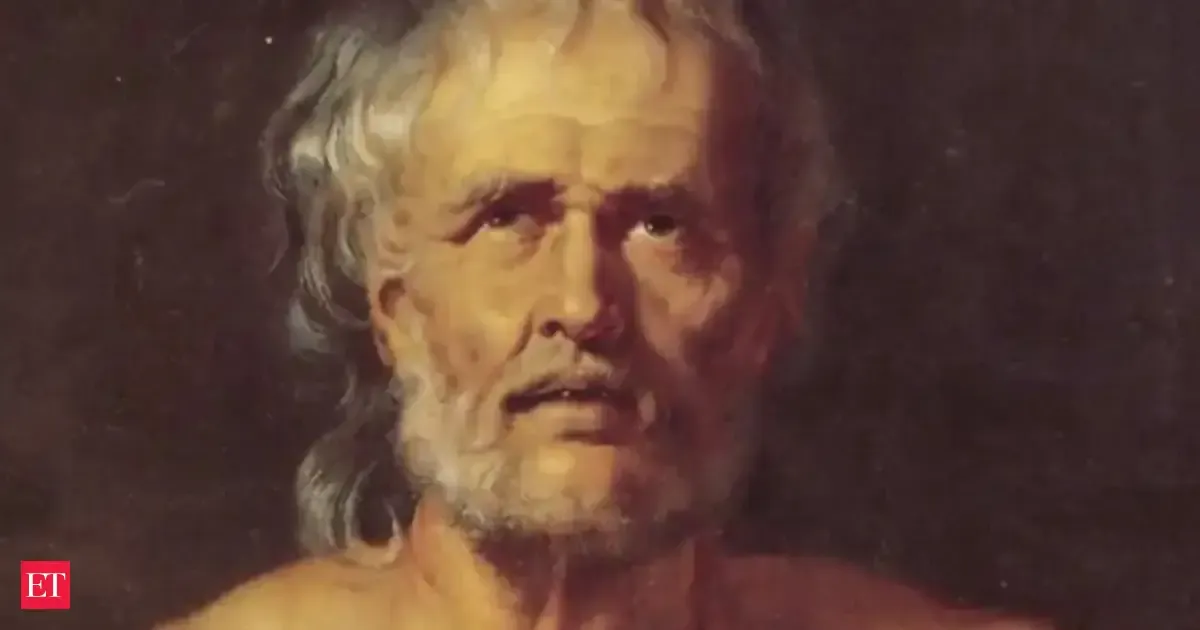
Ancient Philosophers Epicurus and Seneca on Happiness and Contentment
Categories

Categories

Related Coverage

Select a news story to see related coverage from other media outlets.

Related Coverage

Select a news story to see related coverage from other media outlets.

  1. Home
  2. /
  3. Lifestyle

Ancient Philosophers Epicurus and Seneca on Happiness and Contentment

Analysed 2 Sept 2026·2 sources analysed·Córdoba, Spain, Spain·Lifestyle
Ancient Philosophers Epicurus and Seneca on Happiness and ContentmentPreviousNext

Two ancient philosophers, Epicurus and Seneca, offer enduring insights on happiness and contentment. Epicurus advises appreciating what we have rather than desiring what we lack, highlighting that past hopes often become present realities. Seneca emphasizes enjoying the present without anxiety about the future, warning against postponing happiness for future achievements. Both teachings encourage gratitude and satisfaction with current circumstances as keys to a peaceful and fulfilling life.

Sentiment
75%
TBN's observations

First-hand measurement across 2 sources

We measured how 2 outlets covered this story. No outlet gave this story a measurable political slant — there is no left–right reading to report. Overall sentiment is positive (75/100). Lens Score 25/100.

Outlets measured: economictimes, economictimes. See how each one headlined and framed the same story in the source comparison below.

AI analysis of 2 sources · Published under editorial oversight by The Balanced News
Analysed 2 Sept 2026· How this analysis is produced· Editorial standards· Corrections

AI Analysis

Sentiment — Positive (75/100)

Sentiment was consistent across outlets (75–75/100), indicating broadly factual reporting rather than editorialising.

Coverage timeline

economictimes broke this story on 1 Sept, 07:36 pm. Other outlets followed.

1 Sept, 07:36 pm2 sources · 14 h2 Sept, 09:07 am
AI analysis by the TBN Bias Engine · beat methodology byAniket Awate· Culture & Digital Media Writer· editorial standards byOjas Kale
← Previous
Woman Surprises Parents with Malaysia Trip Funded by Her Earnings
Next →
Neem Karoli Baba's Spiritual Legacy and Influence on Ram Dass and Devotees
  1. 1
    economictimes1 Sept, 07:36 pm
    Quote of the day by Epicurus, author of Lettera sulla felicità: 'Do not spoil what you have by desiring what you have not; remember that what you now have was once among...' Life lessons from ancient Greek philosopher on gratitude and contentment
  2. 2
    economictimes2 Sept, 09:07 am
    Quote of the Day by Roman Stoic philosopher Seneca: 'True happiness is to enjoy the present without anxious dependence upon the future...' - what Nero's tutor reveals about happiness, contentment, ambition and anxiety, and why depending too heavily on the future can make satisfaction difficult to find

Story context

Category
Lifestyle
Location
Córdoba, Spain, Spain
Sources analysed
2
Last analysed
2 Sept 2026
Key entities
PhilosophyAnxietyEpicurusAncient Greek philosophyEpicureanismVatican CitySamosAthensSeneca the YoungerStoicismNeroSun Tzu