Skip to content
Get the Balanced News app for a better experience!
The Balanced News Logo
Analytics
The Balanced News Logo

Stay Balanced, Stay Informed

Menu
  • Browse News
  • Underreported Stories
  • Curated Feeds
  • Insights
  • Analytics
  • Our Writers
  • About Us
  • Download App
Learn
  • How It Works
  • Bias Detection
  • Lens Score
  • Source Bias Checker
  • Accountability
  • Custom Feeds
Newsroom
  • Writers & Analysts
  • About TBN
  • Editorial Standards
  • Corrections Policy
  • Our Partners
  • Insights
Socials
  • Youtube
  • Instagram
  • X
  • Facebook
News Categories
  • Trending
  • Politics
  • Sports
  • Business
  • Tech
  • Entertainment
  • Health
  • Science
  • Crime
  • Lifestyle
  • National
  • International
  • Good News
  • Crypto

Get Our App

Available for iOS and Android


LensFeedsInsightsAnalyticsTrendingGood NewsSportsPoliticsBusinessCrimeTechEntertainmentHealthNationalInternational

© 2026 The Balanced News. All rights reserved.

About UsEditorial StandardsCorrectionsHelp & SupportPrivacy PolicyTerms & Conditions
Beatles Legends John Lennon and George Harrison Highlight Living in the Present
Categories

Categories

Related Coverage

Select a news story to see related coverage from other media outlets.

Related Coverage

Select a news story to see related coverage from other media outlets.

  1. Home
  2. /
  3. Lifestyle

Beatles Legends John Lennon and George Harrison Highlight Living in the Present

Analysed 6 Aug 2026·2 sources analysed·England, United Kingdom·Lifestyle
Beatles Legends John Lennon and George Harrison Highlight Living in the PresentNext

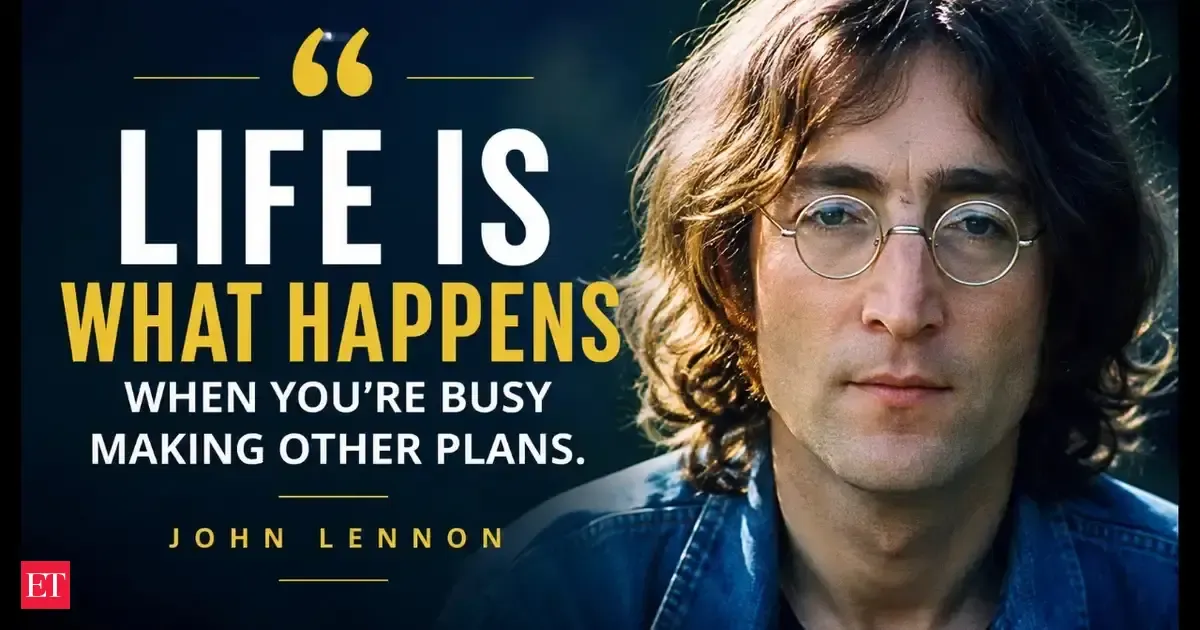
Two quotes from Beatles legends John Lennon and George Harrison emphasize the importance of living in the present moment. Lennon’s famous line, "Life is what happens when you're busy making other plans," highlights mindfulness and embracing life's unpredictability. Harrison’s reflection, "Time is a very misleading thing. All there is ever, is the now," underscores learning from the past while focusing on the present. Both messages encourage awareness, emotional resilience, and finding meaning beyond future worries or past regrets.

Sentiment
78%
TBN's observations

First-hand measurement across 2 sources

We measured how 2 outlets covered this story. No outlet gave this story a measurable political slant — there is no left–right reading to report. Overall sentiment is positive (78/100). Lens Score 25/100.

Outlets measured: economictimes, economictimes. See how each one headlined and framed the same story in the source comparison below.

AI analysis of 2 sources · Published under editorial oversight by The Balanced News
Analysed 6 Aug 2026· How this analysis is produced· Editorial standards· Corrections

AI Analysis

Sentiment — Positive (78/100)

Sentiment was consistent across outlets (78–78/100), indicating broadly factual reporting rather than editorialising.

Coverage timeline

economictimes broke this story on 6 Aug, 08:13 am. Other outlets followed.

6 Aug, 08:13 am2 sources · 11 h6 Aug, 07:26 pm
AI analysis by the TBN Bias Engine · beat methodology byAniket Awate· Culture & Digital Media Writer· editorial standards byOjas Kale
Next →
German Proverb Highlights the Inevitability of Change and Life’s Transitions
  1. 1
    economictimes6 Aug, 08:13 am
    Quote of the day by The Beatles legend George Harrison: 'Time is a very misleading thing. All there is ever, is the now...' - on living beyond the past and future
  2. 2
    economictimes6 Aug, 07:26 pm
    Quote of the day by John Lennon: "Life is what happens when you're..." -- Life lessons from an inspiring quote on mindfulness, purpose, resilience, happiness, embracing change, and why living in the present may be the key to a more meaningful life by the legendary English singer-songwriter and Beatles icon

Story context

Category
Lifestyle
Location
England, United Kingdom
Sources analysed
2
Last analysed
6 Aug 2026
Key entities
The BeatlesLiverpoolGeorge HarrisonLennon–McCartneyJohn LennonMindfulnessCognitionBeautiful Boy (Darling Boy)Human conditionRecord chartPsychologyGeorge Martin