Contrasting Views on Life’s Meaning from Mae West and Nikolai Gogol
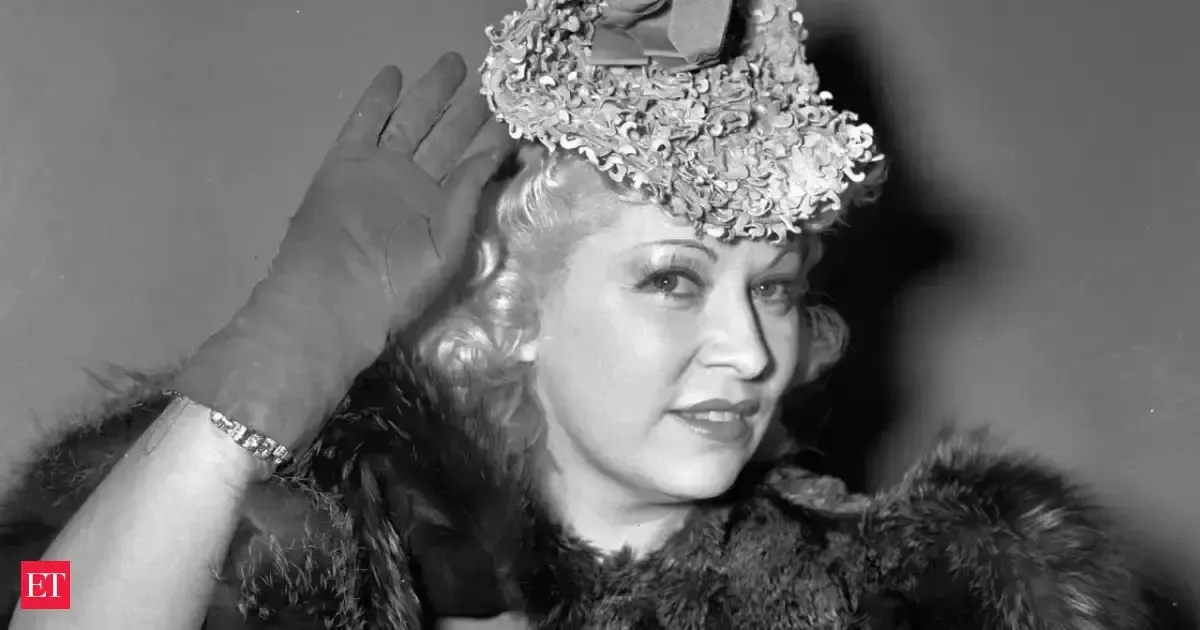
Two timeless quotes offer contrasting perspectives on life's meaning and fulfillment. Mae West emphasizes living fully and intentionally, suggesting that a well-lived life makes 'once enough.' In contrast, Nikolai Gogol challenges the pursuit of purpose, proposing that obsession with meaning may distract from embracing life's inherent uncertainty and absurdity. Both views invite reflection on how individuals seek happiness amid modern pressures to achieve and find lasting significance.
First-hand measurement across 2 sources
We measured how 2 outlets covered this story. Coverage leans balanced overall (Left 0%, Centre 100%, Right 0%). Overall sentiment is positive (78/100). Lens Score 17/100 — low public interest.
Outlets analysed (first-hand measurement by TBN's Bias Engine):
- economictimes— balanced framing, positive sentiment
- economictimes— balanced framing, positive sentiment
AI Analysis
The articles present philosophical reflections without political framing, focusing on individual perspectives about life’s purpose and fulfillment. Both sources emphasize personal and cultural attitudes toward meaning, avoiding partisan or ideological viewpoints. The coverage is centered on universal human concerns rather than political discourse.
The tone across the articles is contemplative and neutral, encouraging thoughtful reflection rather than emotional reaction. While Mae West’s quote offers an optimistic message about living well, Gogol’s perspective introduces a more questioning, potentially unsettling view. Together, they create a balanced, introspective sentiment without overt positivity or negativity.
How 2 sources covered this story
Each source's own headline, political lean, and sentiment — so you can see framing differences at a glance.